
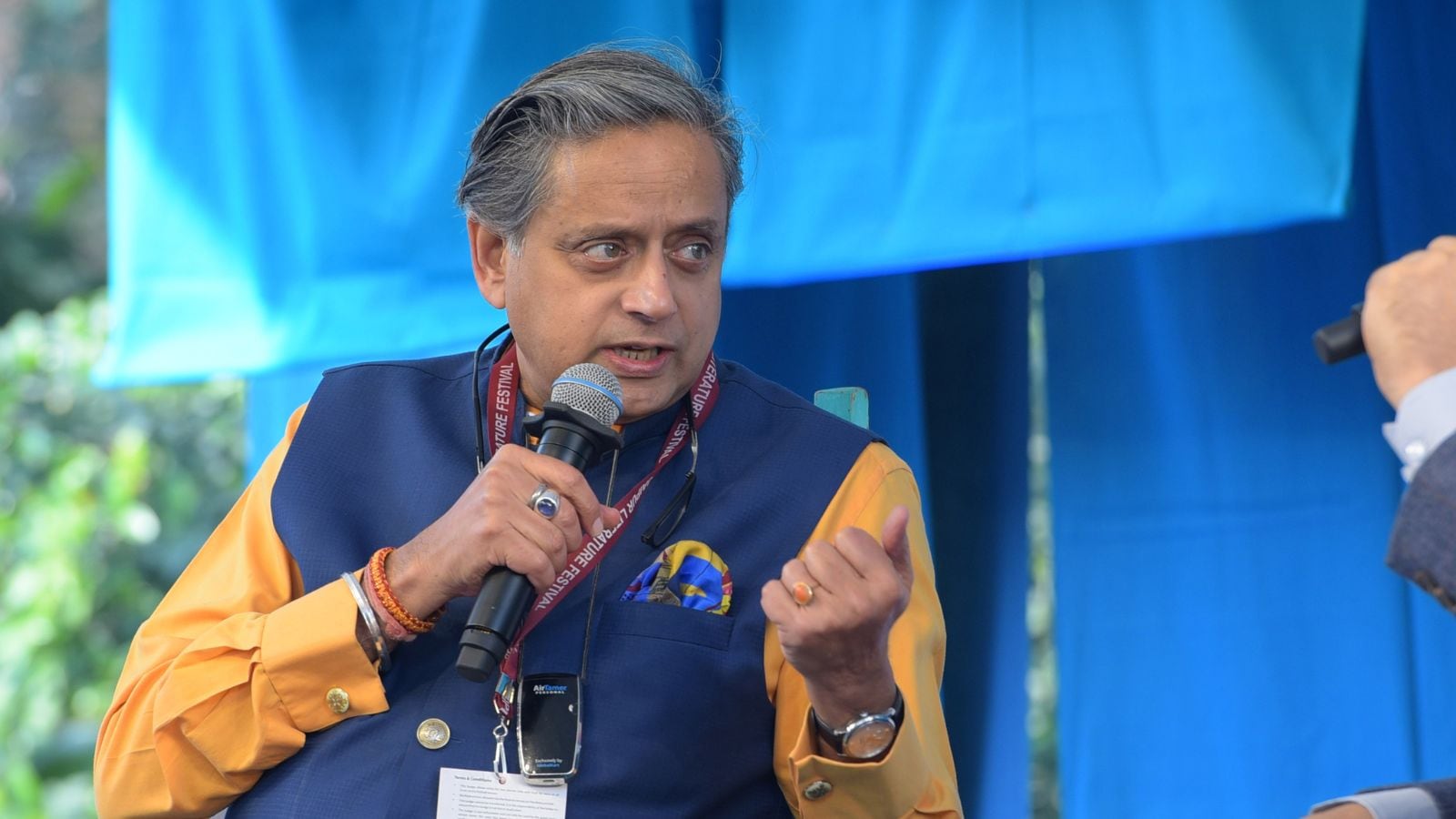
Senior Congress leader Shashi Tharoor has sparked fresh political debate after expressing fascination with the emergence of a newly discussed political formation informally referred to as the “Cockroach Janata Party.” His remarks, delivered with a mix of curiosity and political observation, have triggered conversations across opposition circles regarding shifting voter sentiments and the possibility of new alliances in India’s evolving political landscape.
Tharoor stated that he was “incredibly intrigued” by the growing public attention surrounding the unconventional political grouping. While the development may appear symbolic or satirical to some observers, the Congress MP suggested that any emerging political movement capable of attracting public imagination could alter electoral equations, especially in a politically polarized environment.
The remarks come at a time when opposition parties across India are attempting to redefine their strategies ahead of future electoral contests. Several regional parties and independent political campaigns have increasingly positioned themselves as alternatives to both the ruling establishment and traditional opposition structures. Against this backdrop, Tharoor’s comments were interpreted by many political analysts as a broader reflection on voter dissatisfaction and the appetite for unconventional political narratives.
According to political observers, Tharoor’s statement highlights the growing fragmentation within Indian politics, where new formations—whether serious political entities or symbolic protest movements—can quickly gain traction through social media engagement and public discourse. The Congress leader appeared to indicate that opposition parties should not dismiss emerging grassroots sentiments, regardless of how unconventional they may initially appear. 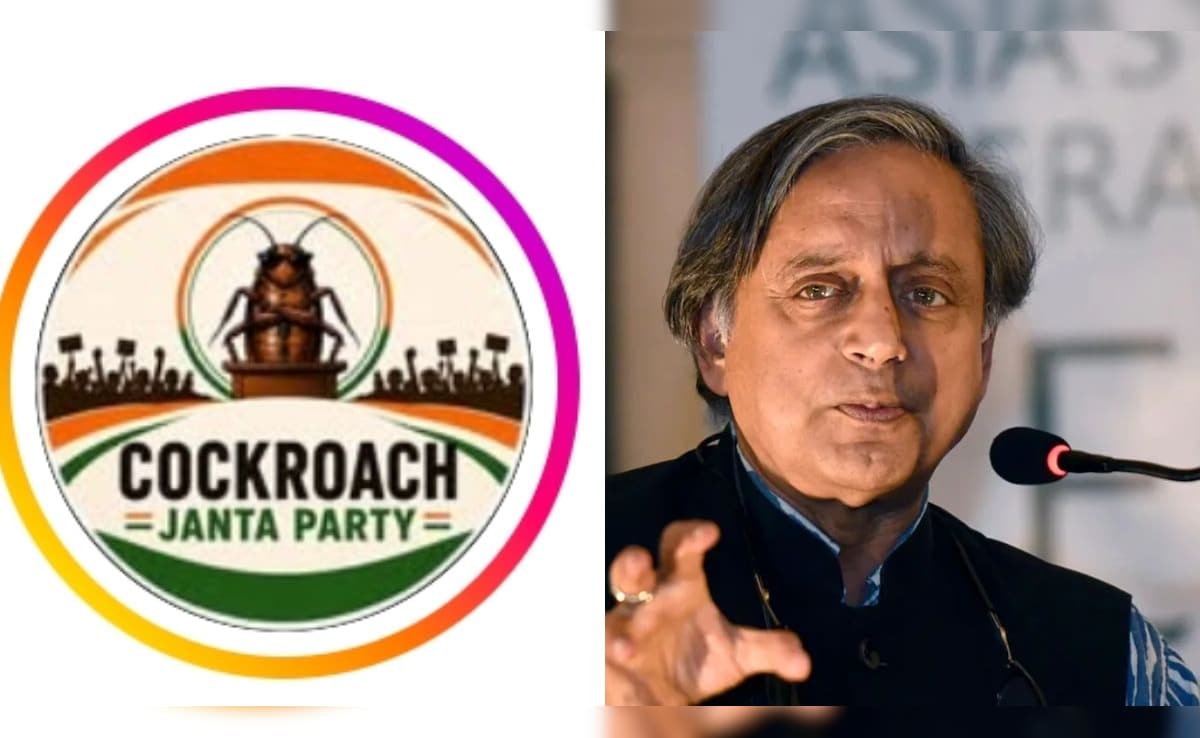
The phrase “Cockroach Janata Party” has drawn widespread attention online due to its unusual name and provocative political undertones. Supporters of the emerging discourse claim that it reflects resilience and survival against overwhelming political dominance, while critics argue that it represents political theatrics rather than a structured ideological movement. Despite the mixed reactions, the term has become a trending point of political conversation, especially among younger voters and digital communities.
Tharoor’s political style, often marked by intellectual commentary and unconventional observations, has frequently positioned him as one of the more distinctive voices within the Congress party. His latest remarks have once again generated strong reactions from both supporters and critics. Some opposition leaders reportedly view the rise of such alternative political expressions as evidence that sections of the electorate are searching for fresh political identities outside traditional party frameworks.
Political analysts believe that the growing popularity of unconventional political branding reflects broader transformations in India’s democratic discourse. Social media platforms, meme culture, and digitally driven political engagement have increasingly influenced how political ideas spread and gain momentum. In such an environment, even symbolic political narratives can become influential conversation starters capable of shaping public opinion.
While there is still uncertainty regarding the organizational structure, electoral ambitions, or long-term viability of the so-called “Cockroach Janata Party,” Tharoor’s remarks have succeeded in placing the conversation firmly within mainstream political discussions. The episode also underlines the challenges facing established opposition parties as they attempt to remain relevant amid rapidly changing political communication trends.
As debates continue over whether the development represents genuine political evolution or simply a viral phenomenon, Tharoor’s comments have added another layer to India’s increasingly dynamic opposition politics. The controversy surrounding the statement is expected to fuel further discussions about political innovation, voter psychology, and the future direction of anti-establishment movements in the country.