
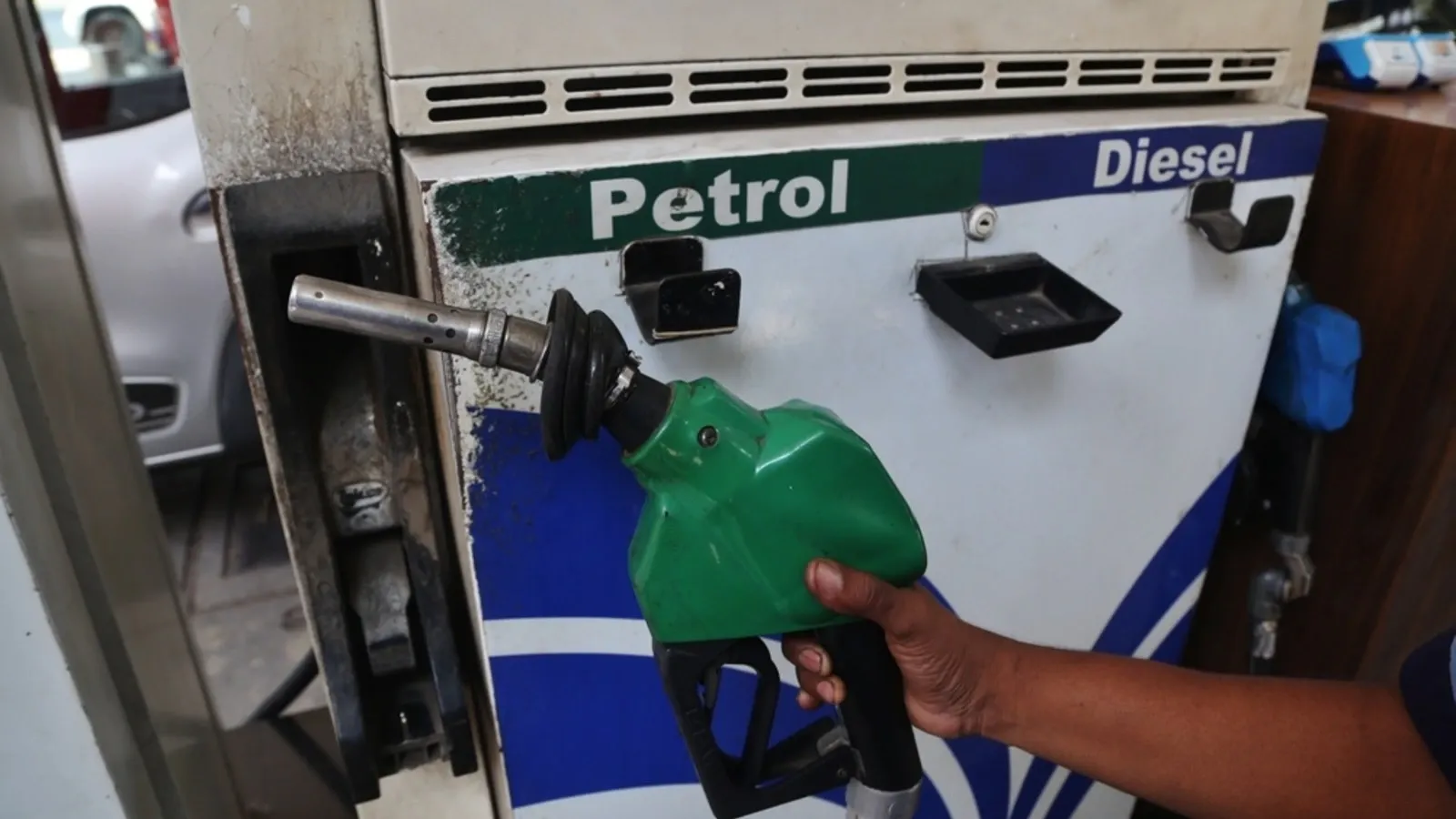
India witnessed another sharp increase in fuel prices as petrol and diesel rates were revised upward for the second time within a week, adding further pressure on household budgets and transportation costs. State-run oil marketing companies increased fuel prices by nearly 90 paise per litre across several metropolitan cities, following an earlier hike of ₹3 per litre announced only days ago.
The latest revision has pushed petrol prices in the national capital to ₹98.64 per litre, while diesel rates climbed to ₹91.58 per litre. Similar increases were reported in Mumbai, Kolkata, Chennai, and Bengaluru, reflecting the nationwide impact of the fuel price adjustment.
According to industry sources, the continued rise in global crude oil prices and mounting financial pressure on oil marketing companies have contributed significantly to the latest decision. Fuel retailers are reportedly continuing to face heavy daily losses despite the previous increase in rates earlier this month.
Revised Petrol Prices in Major Cities
Delhi: ₹98.64 per litre
Mumbai: ₹107.59 per litre
Kolkata: ₹109.70 per litre
Chennai: ₹104.49 per litre
Revised Diesel Prices in Major Cities
Delhi: ₹91.58 per litre
Mumbai: ₹94.08 per litre
Kolkata: ₹96.07 per litre
Chennai: ₹96.11 per litre

The increase comes at a time when consumers are already dealing with inflationary pressure in essential goods and services. Higher fuel costs are expected to impact transportation expenses, logistics operations, and commodity prices across sectors, potentially leading to a broader rise in the cost of living.
Economic experts believe the continued volatility in international oil markets and geopolitical tensions affecting crude supply chains are playing a major role in the recent fuel price revisions. Reports indicate that global oil prices have remained elevated due to supply disruptions and uncertainty in key energy-producing regions.
Political reactions have also intensified following the latest announcement. Opposition parties criticised the government over the repeated hikes, alleging that rising fuel prices would place an additional burden on the middle class and small businesses. Several leaders accused authorities of delaying fuel price adjustments during election periods before implementing sudden increases afterward.
The Centre has meanwhile urged citizens to conserve fuel and reduce unnecessary travel to manage energy demand and limit pressure on foreign exchange reserves. Discussions around work-from-home arrangements and fuel-saving measures have also gained attention amid the ongoing situation.
Industry analysts warn that if crude oil prices continue to remain high globally, additional revisions in fuel prices may not be ruled out in the coming weeks. Consumers and transport operators are now closely monitoring future pricing decisions as the ripple effects of rising fuel costs continue to spread through the economy.