
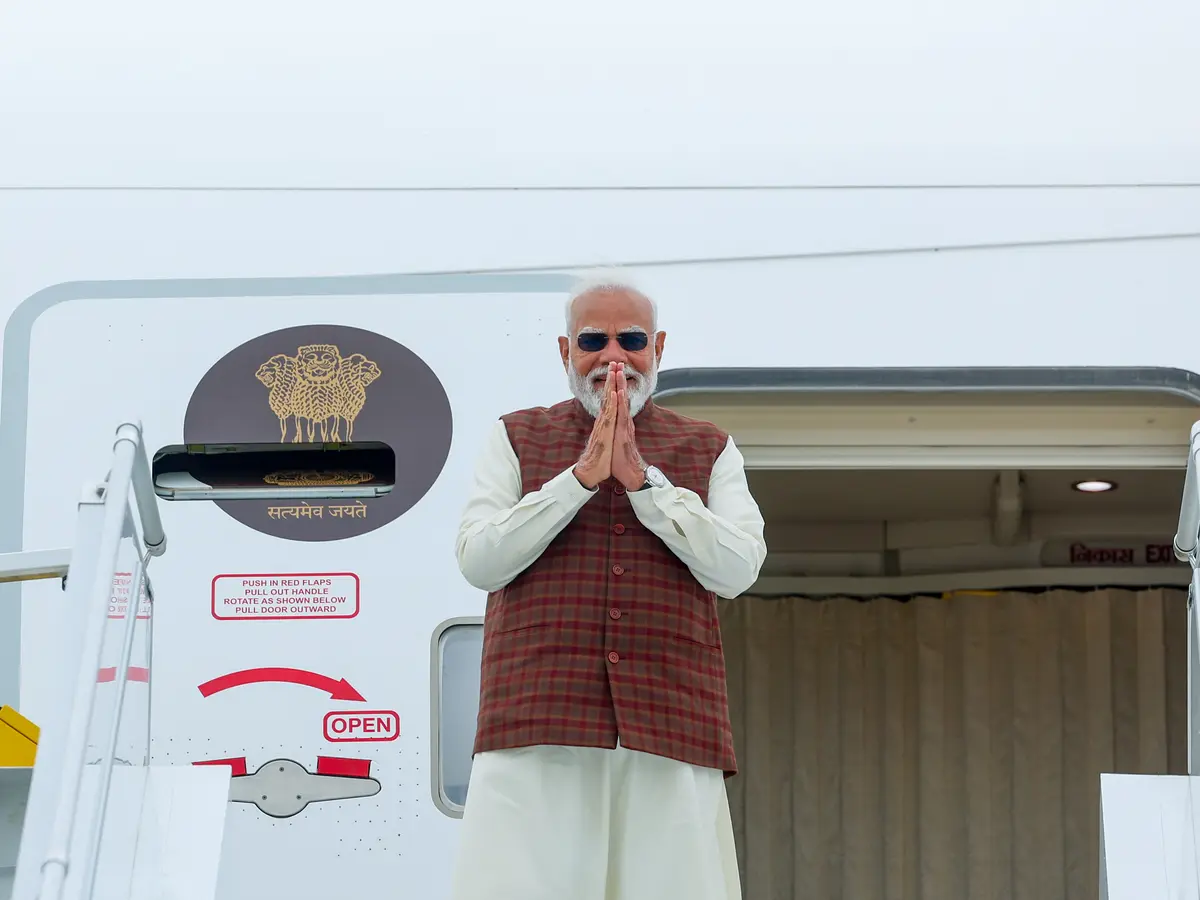
Prime Minister Narendra Modi is set to deepen India’s strategic engagement with the Nordic region during his landmark visit to Norway, with discussions expected to focus heavily on digital technology, healthcare innovation, space collaboration, energy cooperation and long-term economic partnerships. The visit is being viewed as a major diplomatic step aimed at expanding India’s footprint in Northern Europe while strengthening cooperation in emerging technologies and sustainable development.
The Norway leg of the Prime Minister’s multi-nation diplomatic tour comes at a time when India is intensifying partnerships with technologically advanced nations to boost innovation, green transition initiatives and resilient supply chains. Officials familiar with the agenda indicated that several agreements and collaborative frameworks are expected to be discussed during high-level meetings between Indian and Norwegian leadership.
A major focus of the visit will be digital transformation and advanced technologies. India and Norway are expected to explore deeper collaboration in artificial intelligence, digital governance, cyber security, fintech ecosystems and innovation-driven industries. India has been actively positioning itself as a global digital powerhouse, and the discussions are expected to align with New Delhi’s broader push for international technology partnerships and investment opportunities.
Healthcare and medical innovation are also expected to occupy a central place in the bilateral discussions. Both nations are likely to explore opportunities in medical research, biotechnology, digital healthcare systems, pharmaceutical collaboration and public health infrastructure. Officials believe that Norway’s advanced healthcare systems and India’s large-scale pharmaceutical and healthcare capabilities can create mutually beneficial partnerships in the coming years. 
Space cooperation has emerged as another key strategic area during the visit. India’s growing space ambitions and Norway’s expertise in maritime technology, satellite applications and Arctic research are expected to open new avenues for collaboration. The discussions may include satellite communication technologies, earth observation systems and joint innovation initiatives connected to climate and maritime monitoring.
The visit carries additional diplomatic significance because it marks one of the most important engagements between India and Norway in decades. Analysts see the trip as part of India’s broader effort to strengthen ties with European partners beyond traditional power centres. Norway’s strategic importance in renewable energy, shipping, clean technology and Arctic affairs has made it an increasingly valuable partner for India’s global economic and geopolitical outreach.
During the visit, Prime Minister Modi is expected to hold bilateral talks with Norwegian Prime Minister Jonas Gahr Støre and meet members of the Norwegian royal family, including King Harald V and Queen Sonja. The leaders are also expected to participate in business and research-related engagements aimed at encouraging greater investment, academic cooperation and industrial partnerships between the two countries.
Trade and energy security are expected to remain high on the agenda as well. Reports suggest that both sides may discuss long-term energy arrangements, including cooperation in liquefied petroleum gas supplies, renewable energy and maritime trade. Norway’s expertise in clean energy and offshore technologies aligns closely with India’s renewable energy expansion plans and green transition goals.
The Norway visit follows a series of diplomatic engagements by the Prime Minister across Europe aimed at enhancing India’s role in global supply chains, technological cooperation and sustainable economic development. India has increasingly focused on forging strategic partnerships with countries that can contribute to innovation, climate resilience and advanced manufacturing ecosystems.
Officials and diplomats from both countries have described the relationship as having significant untapped potential, particularly in sectors such as digital innovation, green energy, shipping, fisheries, education, startups and research collaboration. The visit is expected to provide fresh momentum to bilateral ties and lay the foundation for expanded cooperation in critical future-oriented sectors.