
A fresh political debate has emerged after senior Rashtriya Swayamsevak Sangh (RSS) leader Dattatreya Hosabale advocated maintaining channels of dialogue with Pakistan despite continued tensions between the two countries. The remarks gained further attention after former Army chief Manoj Mukund Naravane publicly supported the idea of people-to-people engagement and informal diplomacy, prompting sharp criticism from the Congress party.
Hosabale’s comments came during a recent interaction in which he argued that India should not completely shut the door on communication with Pakistan, even while maintaining a strict stand against terrorism and cross-border hostility. According to him, diplomatic ties, trade interactions, and civilian engagement should continue because dialogue remains an important instrument in international relations.
The RSS leader reportedly stressed that while Pakistan’s military and political establishment had repeatedly damaged trust through terror-linked incidents, civil society connections and people-to-people engagement could still help reduce tensions in the long term. He also referred to past diplomatic efforts between the two nations, including initiatives taken during former Prime Minister Atal Bihari Vajpayee’s tenure.
The remarks immediately sparked reactions from opposition leaders, particularly the Congress party, which questioned what had changed in the government’s or RSS’s approach toward Pakistan after years of taking a hardline position. Congress leaders suggested that the statement represented a noticeable shift in narrative, especially after repeated public assertions that dialogue and terrorism cannot go together. 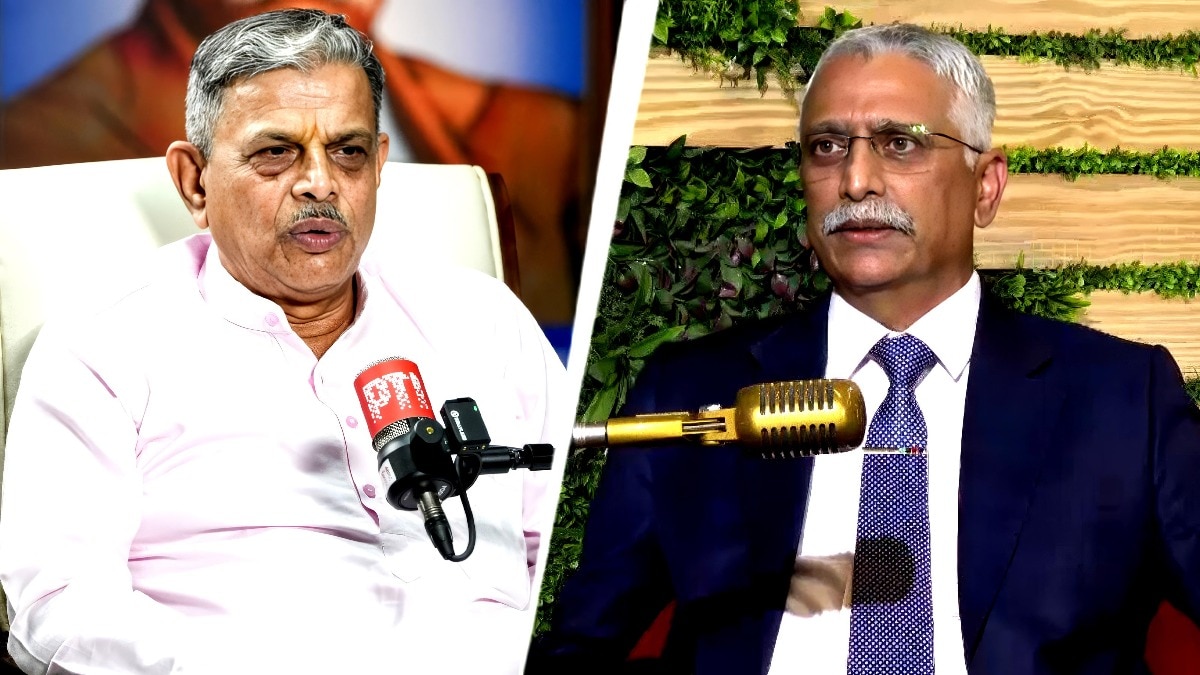
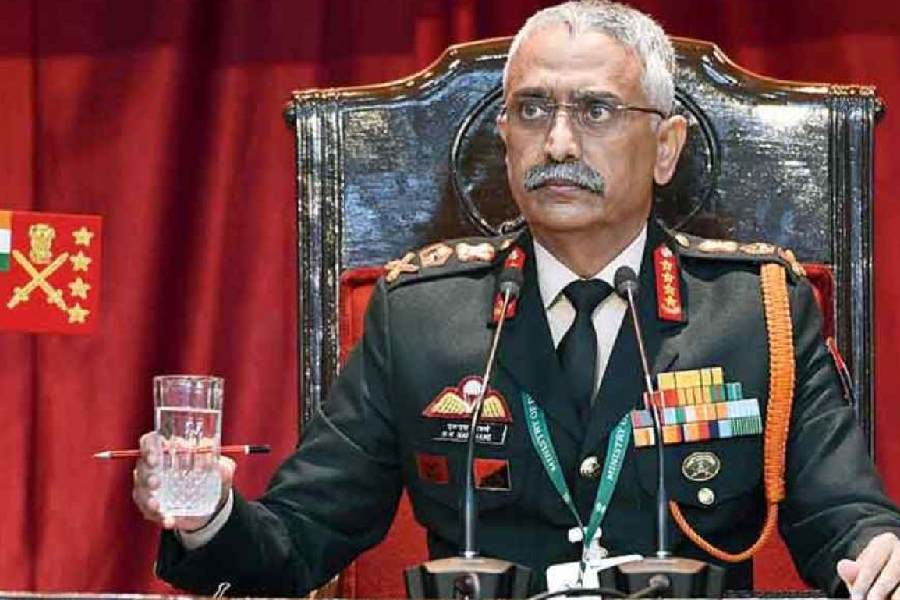
The political controversy intensified after former Army chief Naravane endorsed Hosabale’s observations. Naravane emphasized that ordinary citizens on both sides of the border share similar day-to-day concerns and should not be viewed as permanent enemies. He argued that stronger public connections, sports interactions, and Track-2 diplomacy could contribute to better bilateral relations in the future.
At the same time, Naravane clarified that support for dialogue should not be interpreted as weakness on national security. He maintained that disputes should ideally be resolved through discussion, but India must remain prepared to use military force whenever required to protect national interests and respond to security threats.
The issue has generated wider debate in political and strategic circles because India-Pakistan relations remain deeply strained following years of terror attacks, military stand-offs, and diplomatic breakdowns. Recent military operations and heightened border tensions have reinforced a strong anti-terror posture from New Delhi, making any discussion about renewed engagement with Pakistan politically sensitive.
Political observers believe the controversy highlights a broader debate within Indian strategic thinking — whether long-term regional stability requires limited diplomatic engagement alongside a firm security policy. While supporters of dialogue argue that communication channels help avoid escalation and encourage stability, critics maintain that Pakistan’s continued support for terrorism leaves little room for meaningful negotiations.
The statements by Hosabale and Naravane have therefore reignited discussions over India’s future Pakistan policy, civil society engagement, and the balance between diplomacy and national security. With opposition parties continuing to question the apparent shift in tone, the debate is expected to remain politically significant in the coming days.