

The Indian government has decided to continue restrictions on sugar exports until September 30, extending its policy aimed at safeguarding domestic supplies and keeping retail prices under control. The move comes as authorities remain cautious about food inflation, changing weather conditions, and the impact of fluctuating agricultural output on the country’s sugar balance.
The export curbs, which were initially introduced to prioritise domestic availability, are part of a broader strategy to maintain stability in the food and beverage sector while ensuring adequate stock for local consumption. Officials believe that retaining sufficient reserves within the country is necessary as India navigates uncertainties linked to monsoon performance, sugarcane production, and ethanol blending commitments.
India, one of the world’s largest producers and exporters of sugar, plays a major role in the global sweetener market. Any policy shift by the country often affects international prices and trade flows. By extending the export restrictions, the government aims to avoid sudden supply shortages in the domestic market while balancing the interests of consumers, farmers, and sugar mills.
Industry experts say the decision reflects growing concerns over lower sugar production in certain states due to inconsistent rainfall patterns and climate-related disruptions. Key sugar-producing regions have experienced varying crop conditions over the past year, leading policymakers to adopt a cautious approach regarding overseas shipments. 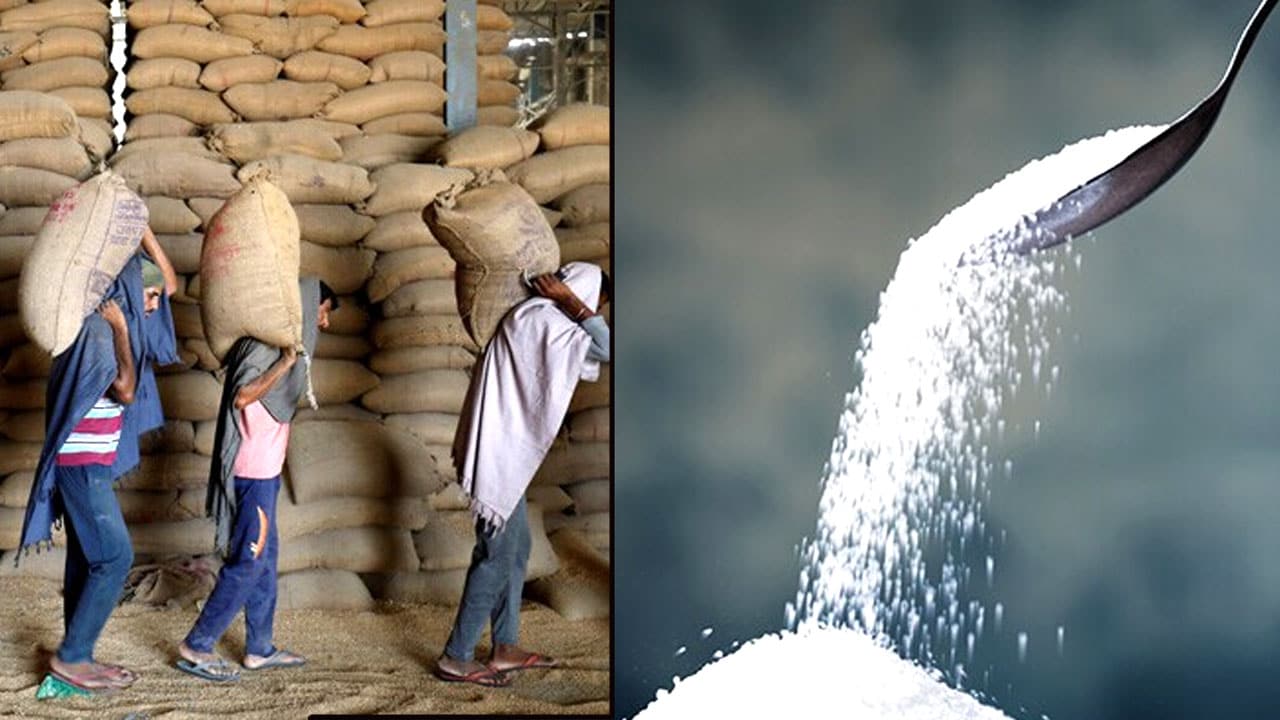
The extension of the export ban is also linked to India’s ambitious ethanol blending programme. A significant portion of sugarcane is increasingly being diverted toward ethanol production to support the country’s clean energy and fuel-mixing targets. While the initiative is expected to reduce dependence on imported crude oil, it has also raised questions about sugar availability for exports and domestic consumption.
Government officials have indicated that the priority remains maintaining stable prices for essential commodities. Food inflation continues to be a sensitive issue, particularly ahead of festive demand periods when consumption of sugar-based products rises significantly across the country.
Domestic sugar mills and exporters are likely to face mixed reactions from the continued restrictions. While some industry stakeholders may be disappointed over reduced export opportunities and foreign revenue losses, others believe the move could help stabilise local prices and ensure smoother supply management in the coming months.
Global markets are also expected to monitor India’s decision closely. Several countries rely on Indian sugar exports to meet import requirements, and prolonged restrictions could influence international pricing trends. Analysts suggest that the extension may support global sugar prices as supply from one of the largest exporters remains limited.
At the same time, farmers are watching policy developments carefully. Sugarcane growers depend heavily on timely payments from mills and strong demand conditions. The government is expected to continue reviewing crop estimates, domestic stock levels, and market dynamics before making further decisions on export policies after September.
The latest decision highlights the government’s balancing act between protecting consumers from rising prices, supporting renewable fuel initiatives, and sustaining the long-term interests of India’s agricultural and industrial sectors.