
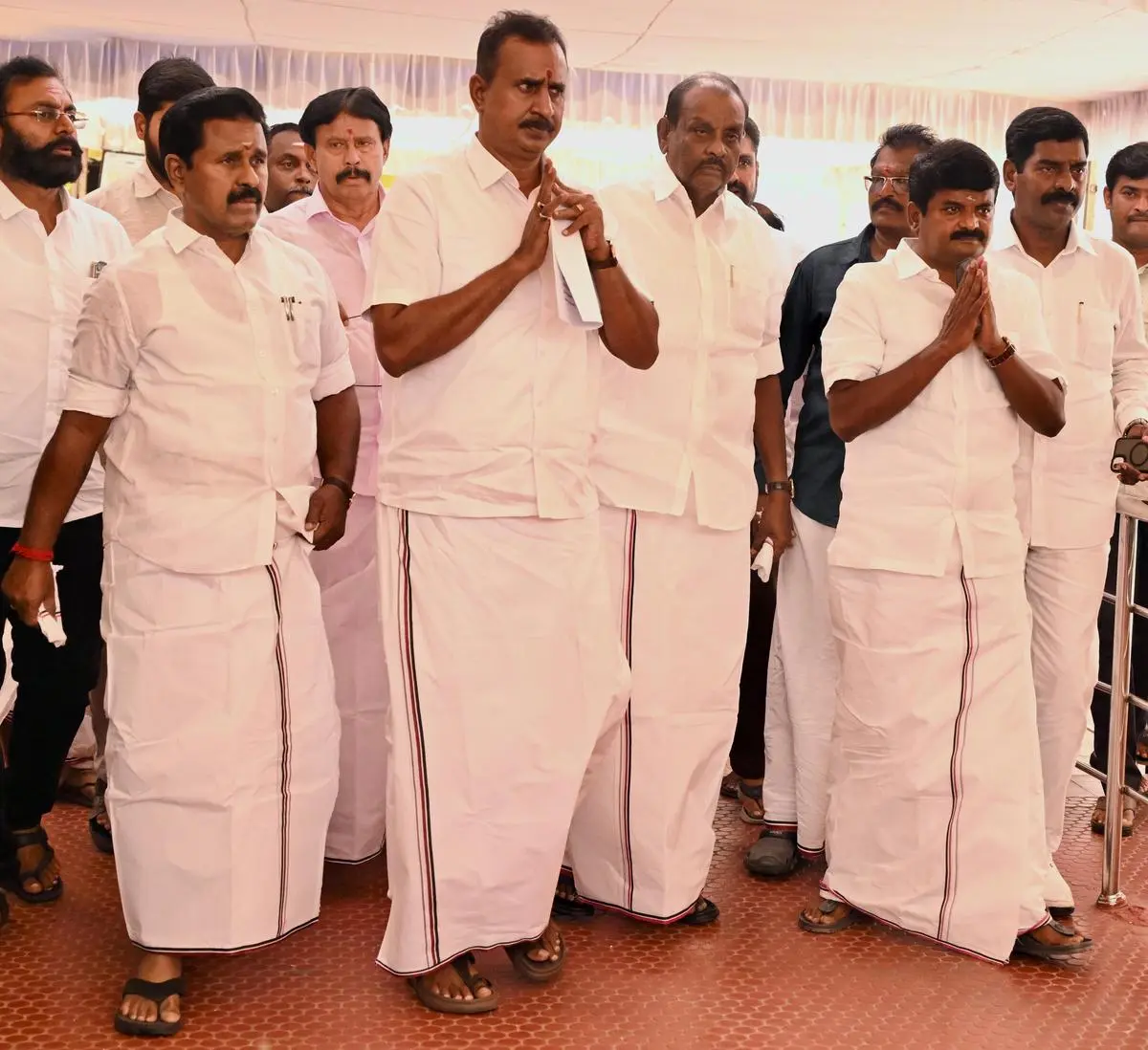
Heavy police deployment was witnessed at the AIADMK headquarters in Chennai on Thursday as the party’s growing internal conflict intensified following an open rebellion by a section of its legislators. The tense atmosphere around the party office reflected the seriousness of the political turmoil currently unfolding within one of Tamil Nadu’s major political parties.
Authorities reportedly increased security arrangements to prevent any untoward incidents and avoid a repeat of the violent clashes that had erupted during earlier factional disputes within the party. Police personnel were stationed around the headquarters as party workers and supporters began gathering in large numbers amid fears of confrontation between rival groups.
The crisis comes at a crucial time for the AIADMK, which is now witnessing a widening divide between supporters of party general secretary Edappadi K. Palaniswami and a rebel faction led by senior leaders including C. Ve. Shanmugam and S. P. Velumani.
Floor Test Exposes Deep Division Within the Party
The political split became publicly visible during the recent confidence vote held in the Tamil Nadu Assembly. A significant number of AIADMK MLAs reportedly defied the party leadership and voted in support of the ruling government during the trust motion, triggering a major leadership crisis within the opposition party.
The cross-voting shocked the party leadership and exposed internal dissatisfaction among several legislators. Reports indicate that nearly 25 rebel MLAs aligned themselves with the dissident camp, leading to serious questions about the authority of the current leadership and the future unity of the party.
The rebellion is believed to have stemmed from disagreements over the party’s political direction, leadership style, and strategic decisions after recent electoral setbacks. Several rebel leaders have openly criticized the current leadership, claiming that important voices within the organization were ignored and sidelined. 
Palaniswami Takes Strong Action Against Rebel Leaders
In response to the rebellion, Edappadi K. Palaniswami moved swiftly against the dissident camp by removing several leaders from important party positions. The disciplinary action targeted prominent figures associated with the revolt, including senior office-bearers and influential legislators.
The leadership’s decision to strip rebel leaders of their responsibilities further widened the divide and intensified speculation about a formal split within the party. Political observers believe the conflict has now moved beyond internal disagreement and entered a decisive phase that could reshape the opposition landscape in Tamil Nadu.
Sources within the party indicated that emergency meetings involving senior leaders and MLAs were expected to take place to discuss the future course of action. Supporters of Palaniswami also gathered outside his residence to publicly express loyalty to his leadership during the crisis.
Fear of Repeat Violence Prompts Massive Security Measures
The heightened security around the party headquarters was also influenced by memories of previous factional violence that had damaged the premises during earlier internal disputes. Authorities appeared determined to ensure that no violent confrontation occurs between rival camps as tensions continue to rise.
Police officials monitored movements around the headquarters closely while restricting unauthorized gatherings near sensitive locations. The precautionary deployment underscored the seriousness with which the administration is treating the evolving political situation. 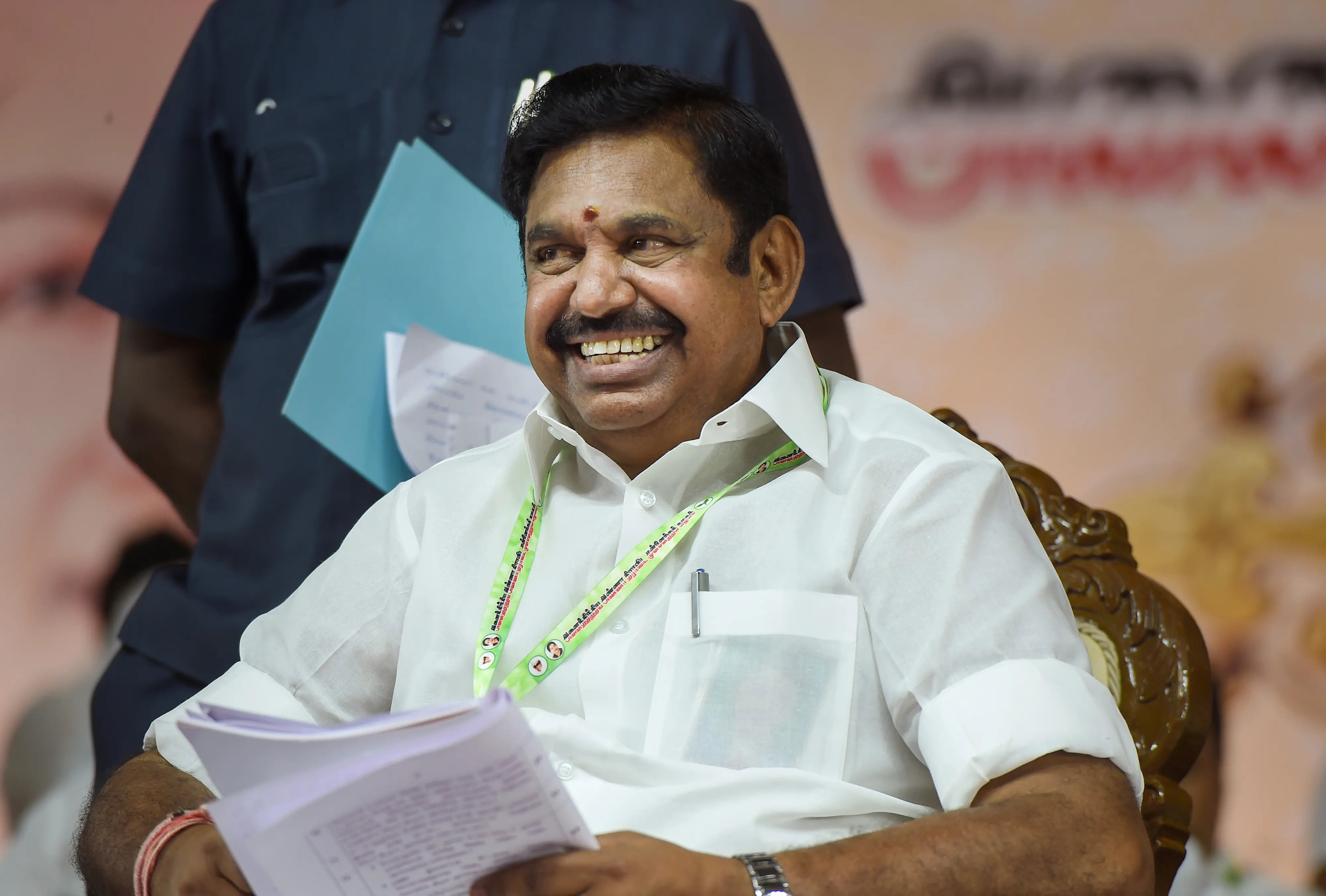
Rebel Camp Pushes for Broader Unity
Meanwhile, leaders from the rebel faction have reportedly argued for a broader restructuring of the party and reconciliation with previously sidelined leaders. Some dissident voices have emphasized the need for unity among various factions to strengthen the party’s political future ahead of upcoming electoral battles.
The internal conflict has sparked intense political debate across Tamil Nadu, with analysts warning that prolonged infighting could weaken the AIADMK’s position as a major opposition force in the state. The developments are also being closely watched by rival political parties, which may seek to capitalize on the instability within the organization.
Political Future Remains Uncertain
As the confrontation between the rival camps escalates, uncertainty continues to surround the party’s organizational structure and legislative strength. Questions are also emerging about whether the dissident MLAs could face disqualification proceedings under anti-defection laws.
Political observers believe the coming days will be crucial in determining whether reconciliation remains possible or if the AIADMK is heading toward a major and potentially irreversible split. The developments could significantly alter political alignments in Tamil Nadu and influence the balance of power within the state’s opposition politics.