
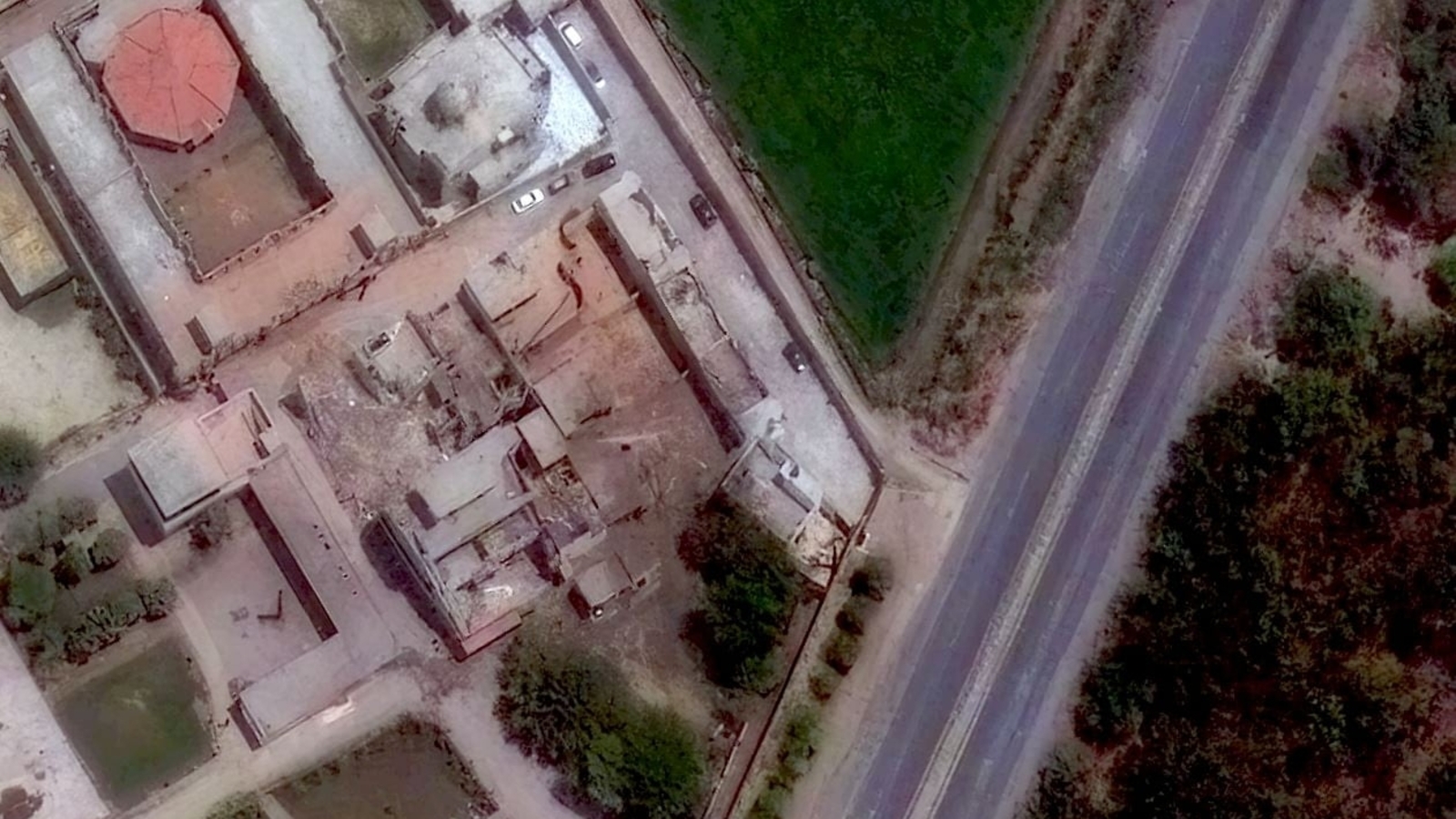
One year after the devastating terror attack in Jammu and Kashmir’s Baisaran Valley near Pahalgam, India’s military response—codenamed Operation Sindoor—continues to be viewed as a defining moment in the country’s counter-terrorism doctrine. The operation not only sought to avenge the killing of 26 civilians but also signaled a strategic shift in how India responds to cross-border terrorism.
On April 22, 2025, heavily armed terrorists opened fire on tourists in the scenic Baisaran Valley, killing at least 26 people and injuring several others. The victims were largely civilians, targeted in what was described as one of the deadliest attacks in the region in recent years.
The brutality of the attack, including reports that victims were identified based on religion before being shot, triggered widespread outrage across India and drew international condemnation.
Indian authorities linked the attackers to Pakistan-based terror networks, intensifying already strained relations between the two countries.
In the early hours of May 7, 2025, India launched Operation Sindoor as a direct response to the massacre. The operation involved precision strikes on multiple terror camps located across Pakistan and Pakistan-occupied Kashmir.
Officials described the strikes as “focused, measured, and non-escalatory,” emphasizing that only terrorist infrastructure was targeted, not Pakistani military installations. 
The objective was clear: dismantle terror networks responsible for the attack while avoiding a full-scale war.
Operation Sindoor reportedly targeted several terror facilities, dealing a significant blow to militant infrastructure. The use of advanced surveillance, satellite intelligence, and precision-guided weaponry demonstrated India’s growing technological capabilities in modern warfare.
Military officials later revealed that multiple terror camps were destroyed during the strikes, underscoring the operation’s tactical success.
The operation also triggered a brief but intense escalation along the Line of Control, including cross-border shelling, before both sides moved toward de-escalation.
Analysts view Operation Sindoor as a turning point in India’s approach to terrorism. Unlike earlier responses that relied heavily on diplomatic pressure, the operation demonstrated a willingness to carry out swift, cross-border military action.
The doctrine appeared to shift from restraint to what experts describe as “deterrence by punishment,” signaling that major terror attacks would be treated as acts warranting direct retaliation.
Government officials have since described the operation as a “golden chapter” in India’s military history, highlighting both the precision and restraint displayed by the armed forces.
Beyond its military objectives, Operation Sindoor carried significant geopolitical messaging. It underscored India’s zero-tolerance policy toward terrorism and aimed to deter future attacks by demonstrating the costs of cross-border militancy.
The operation also reinforced India’s position on the global stage as a nation willing to act decisively while maintaining control over escalation.
For families of those killed in the Pahalgam attack, Operation Sindoor represented a measure of justice. Many publicly expressed support for the government’s response, hoping it would prevent similar tragedies in the future.
The anniversary has been marked by tributes, remembrance events, and renewed calls for vigilance against terrorism.
A year on, Operation Sindoor is widely seen as one of India’s most assertive counter-terror operations. It demonstrated the country’s ability to combine intelligence, technology, and military precision in a coordinated response.
However, the broader challenge of cross-border terrorism remains unresolved, with policymakers emphasizing the need for sustained vigilance, intelligence coordination, and diplomatic engagement.
Operation Sindoor has left a lasting imprint on India’s national security framework. Born out of tragedy, it reshaped the country’s counter-terror playbook and sent a strong message about its readiness to defend its citizens.
As India reflects on the anniversary of the Pahalgam attack, the operation stands as both a symbol of retribution and a reminder of the continuing fight against terrorism.