
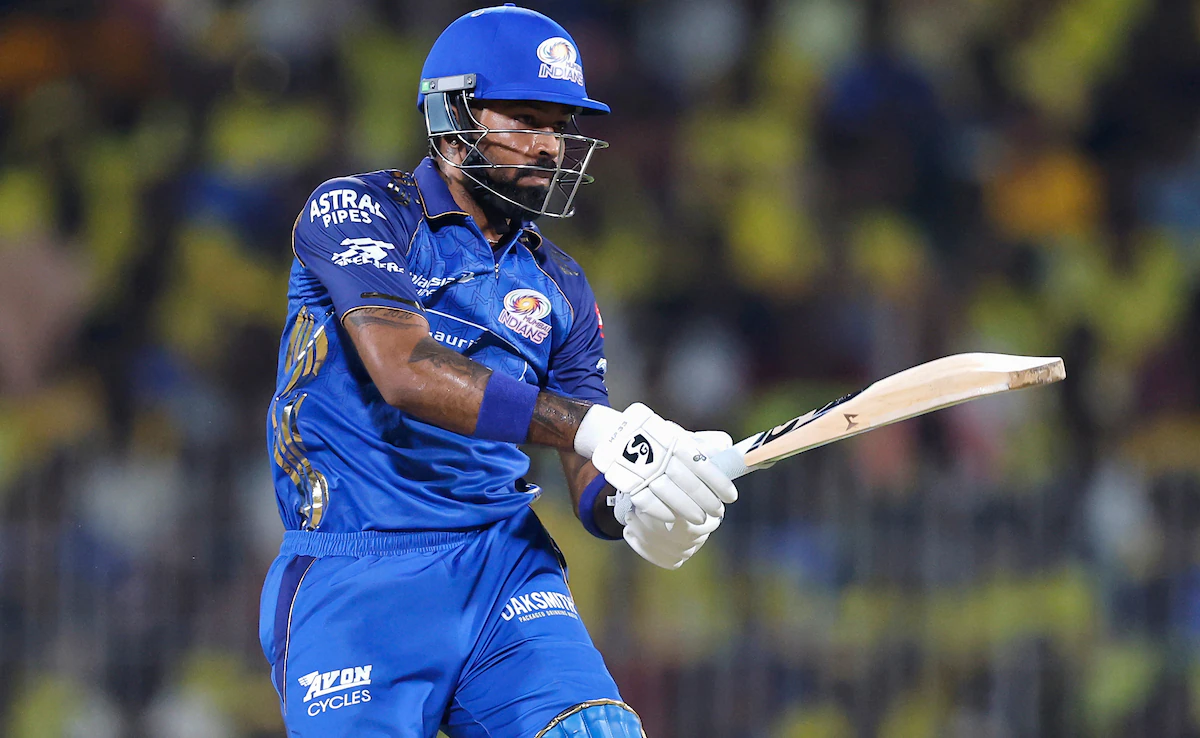
The Mumbai Indians have come under increasing scrutiny following criticism over their perceived lack of support for captain Hardik Pandya during a challenging phase in the ongoing Indian Premier League (IPL) season. The situation has sparked debate among former players, analysts, and fans, raising questions about leadership backing, dressing room dynamics, and team management strategies.
Growing Pressure on the Captain
Hardik Pandya, who took over leadership responsibilities amid high expectations, has found himself under intense pressure as the team struggles to maintain consistency. With performances falling short of expectations, the spotlight has firmly shifted onto the captain, both for his individual contributions and his ability to steer the team through adversity.
However, critics argue that the burden on Pandya appears disproportionately high, with limited visible support from teammates and the team management. Observers believe that such isolation can impact not only individual performance but also overall team morale.
Voices of Concern from Cricket Fraternity
Several voices from the cricketing fraternity have pointed out that successful teams typically rally behind their captains during difficult phases. In contrast, Mumbai Indians are being accused of failing to present a united front, particularly when their leader is facing criticism.
Experts suggest that leadership in a high-pressure tournament like the IPL requires strong backing from senior players and management alike. The absence of this support, they argue, can create an environment where accountability is unevenly distributed.
Team Dynamics Under the Scanner
The criticism has also brought the internal dynamics of the Mumbai Indians into focus. Questions are being raised about communication within the squad, clarity in roles, and whether players are effectively contributing to a collective strategy.
In franchise cricket, where teams are composed of international stars and domestic talent, maintaining cohesion is often a challenge. Analysts believe that a lack of visible unity can quickly translate into inconsistent on-field performances.
Performance Struggles Add to Concerns
Mumbai Indians’ campaign has been marked by fluctuating performances, with both batting and bowling units failing to deliver consistently. While Pandya’s leadership decisions have been debated, many experts emphasize that cricket is ultimately a team sport, and outcomes cannot be attributed to one individual alone.
The ongoing criticism highlights a broader issue—whether the team is adequately sharing responsibility during tough matches or relying too heavily on its captain.
The Road Ahead
As the tournament progresses, the pressure on Hardik Pandya and the Mumbai Indians is expected to intensify. The franchise will need to address both on-field performance issues and off-field perceptions to regain momentum.
A strong show of unity, improved performances from key players, and clearer strategic execution could help the team turn its campaign around. More importantly, visible backing for the captain may play a crucial role in restoring confidence within the squad.
Conclusion
The situation surrounding Mumbai Indians and Hardik Pandya serves as a reminder of the importance of collective responsibility in team sports. While captains often bear the brunt of criticism, sustained success depends on shared effort, mutual trust, and unwavering support within the team.