
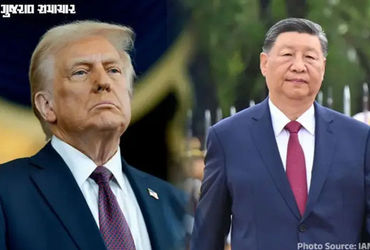
China has reportedly warned the United States against enforcing a naval blockade in the Strait of Hormuz and cautioned Washington not to interfere in its bilateral relations with Iran, as tensions escalate in the region.
As per reports, Chinese Defence Minister Dong Jun said Beijing expects its economic and energy ties with Iran to be respected, stressing that the vital shipping lane remains open for Chinese interests.
He added that they have trade and energy agreements with Iran and expect others not to interfere in their affairs, as the US-led blockade came into effect on Monday evening.
Reports suggest that the Strait of Hormuz is a critical energy corridor for China, accounting for nearly 40% of its oil imports and around 30% of its liquefied natural gas supplies. Beijing has been advocating a ceasefire to ensure stability and uninterrupted passage through the Gulf.
The move follows the announcement by US President Donald Trump that American naval forces would reportedly restrict maritime access to Iranian ports through the strategic waterway after talks with Tehran failed earlier this month.
The US Central Command (CENTCOM) said the blockade would apply to vessels entering or leaving Iranian ports, adding that enforcement would be carried out impartially across all nationalities using Iranian coastal areas. However, it said neutral transit to non-Iranian destinations would not be impeded, though vessels could be subject to inspection.
Chinese officials reiterated calls for de-escalation, with Foreign Ministry spokesperson Guo Jiakun stating that ensuring the “safety, stability and unimpeded passage” of the strait was in the interest of the international community.
He reportedly added that the root cause of disruptions lay in the ongoing conflict involving Iran and called for an immediate ceasefire to end hostilities. China has also expressed willingness to play a “constructive role” in resolving the crisis in the Middle East.
Analysts suggest the US move may also be aimed at curbing the use of alternative currencies, including the Chinese yuan, in transactions involving vessels transiting the strait, which could challenge the dominance of the US dollar in global energy trade.
Relations between Washington and Beijing have remained strained over the conflict. China had earlier criticised joint US-Israeli actions against Iran, with Foreign Minister Wang Yi terming the killing of a sovereign leader and calls for regime change as unacceptable.
The US has warned of possible consequences if China deepens its engagement with Iran in ways contrary to American interests.
Trump has also threatened tariffs on Beijing over alleged military support to Tehran, claims that China has dismissed as baseless.