
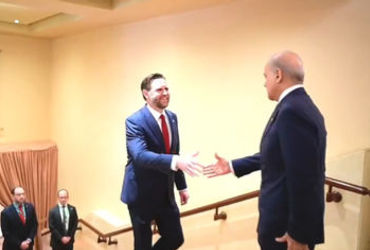
Iran has reportedly declared its recent negotiations with the United States a failure shortly after US Vice President JD Vance concluded marathon ceasefire talks in Islamabad and departed without an agreement.
The discussions, held in Islamabad, lasted for over 21 hours and were reportedly aimed at converting a fragile ceasefire into a lasting peace arrangement between Washington and Tehran. However, both sides failed to reach consensus on key issues.
In a post on X, Iran’s diplomatic mission indicated that the United States had made demands it could not achieve during the conflict, asserting that Tehran had firmly rejected them. It also reiterated that the strategically vital Strait of Hormuz would remain closed until a credible and reliable ceasefire agreement is secured.
Iran’s Foreign Ministry spokesperson, Esmail Baghaei, described the talks as having taken place in an “atmosphere of mistrust”, adding that it was unrealistic to expect a breakthrough in a single round of negotiations. He noted that while some common ground had been identified, major differences persisted on critical issues.
Reports citing local media, including the Tasnim news agency, suggest that it is unlikely to be any change in the status of the Strait of Hormuz unless the United States agrees to what Tehran considers a “reasonable deal”. Officials also suggested that Iran is not in a hurry to resume negotiations.
State-run media highlighted that the primary sticking points included the reopening of the Strait of Hormuz and Iran’s nuclear programme, both central to the ongoing deadlock.
Speaking after the talks, Vance reportedly acknowledged the failure to reach an agreement, stating that while discussions had been substantive, no deal had been finalised. He reiterated that the United States had clearly outlined its “red lines”.
The meeting in Islamabad followed a temporary ceasefire, with both sides attempting to stabilise the situation in the Gulf region. However, the breakdown in talks has cast uncertainty over the future of the truce and whether further negotiations will take place.