
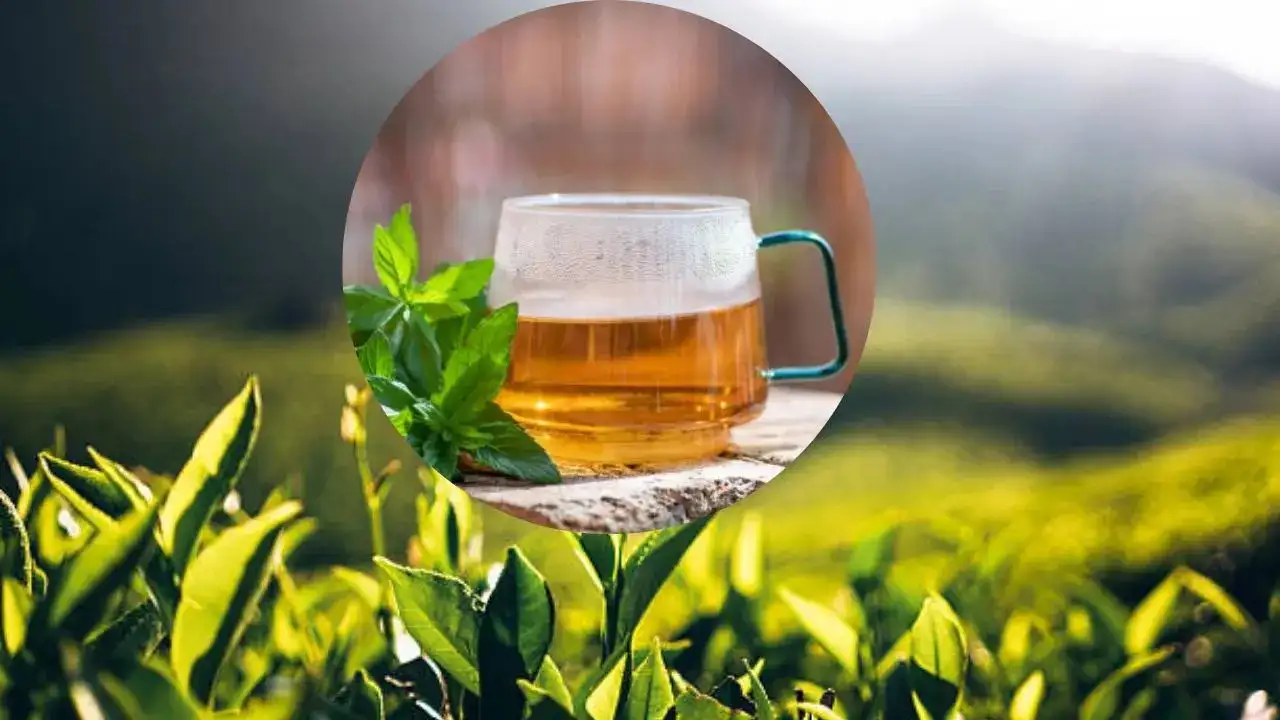
In a decisive move to curb misleading marketing practices and strengthen consumer awareness, the Food Safety and Standards Authority of India (FSSAI) has reiterated that only beverages derived from the Camellia sinensis plant can legally be labelled and sold as “tea” in the country. The clarification is aimed at addressing widespread misuse of the term “tea” for a range of herbal and plant-based infusions that do not meet the statutory definition.
Clear Definition of Tea Under Food Laws
According to FSSAI, tea has a clearly defined botanical and legal meaning under India’s food safety regulations. It refers exclusively to products made from the leaves and buds of the Camellia sinensis plant. This includes traditional varieties such as black tea, green tea, white tea, orthodox tea, and instant tea.
The regulator has emphasised that beverages made from flowers, herbs, roots, seeds, spices or other plant materials—commonly marketed as “herbal tea,” “flower tea,” or similar names—do not qualify as tea. While these products may be safe for consumption, they fall outside the regulatory scope of tea and must not use the term on labels or promotional material.
Misbranding Concerns and Consumer Protection
FSSAI has flagged the use of the word “tea” for non-tea products as misbranding under the Food Safety and Standards Act, 2006, and the Food Safety and Standards (Labelling and Display) Regulations, 2020. These rules mandate that food labels must truthfully represent the nature, composition, and identity of the product.
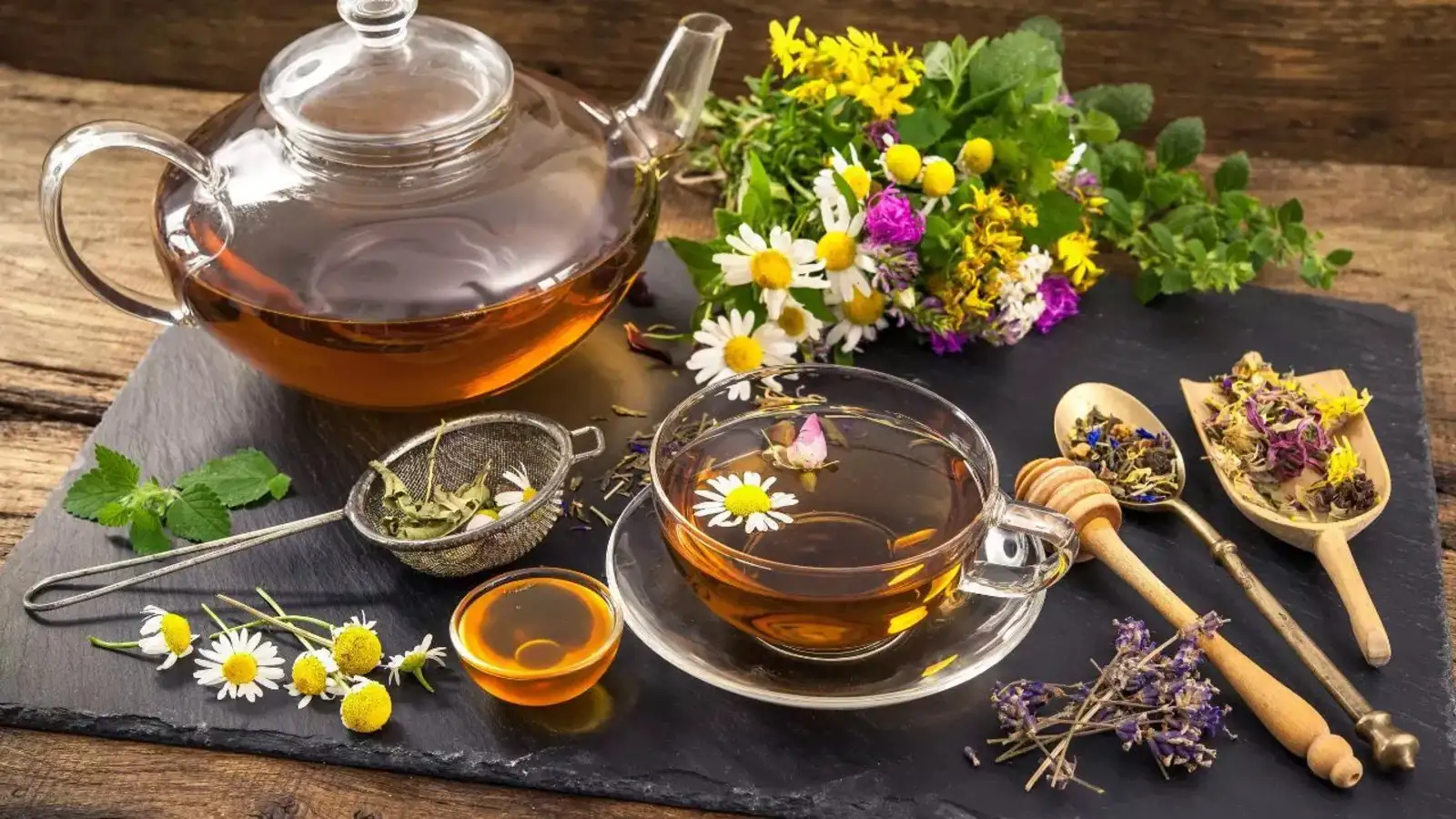
The authority noted that misleading labels can confuse consumers, especially those who believe they are purchasing traditional tea when the product contains no tea leaves. The clarification is intended to bring transparency to product labelling and help consumers make informed choices.
Impact on Herbal and Wellness Beverage Market
The decision is expected to have a significant impact on India’s rapidly growing herbal and wellness beverage sector. Manufacturers, marketers, importers, sellers, and e-commerce platforms using the term “tea” for non-Camellia sinensis products will now be required to revise product names, packaging, and advertisements.
Industry observers say many such products are likely to be rebranded as “herbal infusions,” “botanical infusions,” or similar descriptors that comply with food labelling regulations. While this may involve short-term operational adjustments, it is seen as a necessary step toward standardising beverage classifications.
Directions for Enforcement
FSSAI has directed state food safety commissioners and enforcement officials to ensure strict compliance with the clarified norms. Monitoring will cover both physical retail outlets and online marketplaces. Any violation may attract regulatory action under applicable food safety provisions.
The regulator has also clarified that non-tea beverages can continue to be sold legally, provided they are correctly categorised and labelled under appropriate food standards, including proprietary food regulations where applicable.
Industry and Consumer Response
Consumer rights groups have welcomed the move, calling it an important measure to prevent deceptive marketing and protect buyers from ambiguous product claims. The clarification is also expected to safeguard the interests of traditional tea producers by preserving the integrity of the term “tea.”
By reinforcing scientific accuracy and legal clarity in food labelling, FSSAI has underscored its commitment to consumer trust and fair trade practices. The latest directive is expected to bring greater consistency and transparency to India’s beverage market, ensuring that when a product is labelled as tea, it genuinely comes from the tea plant.