
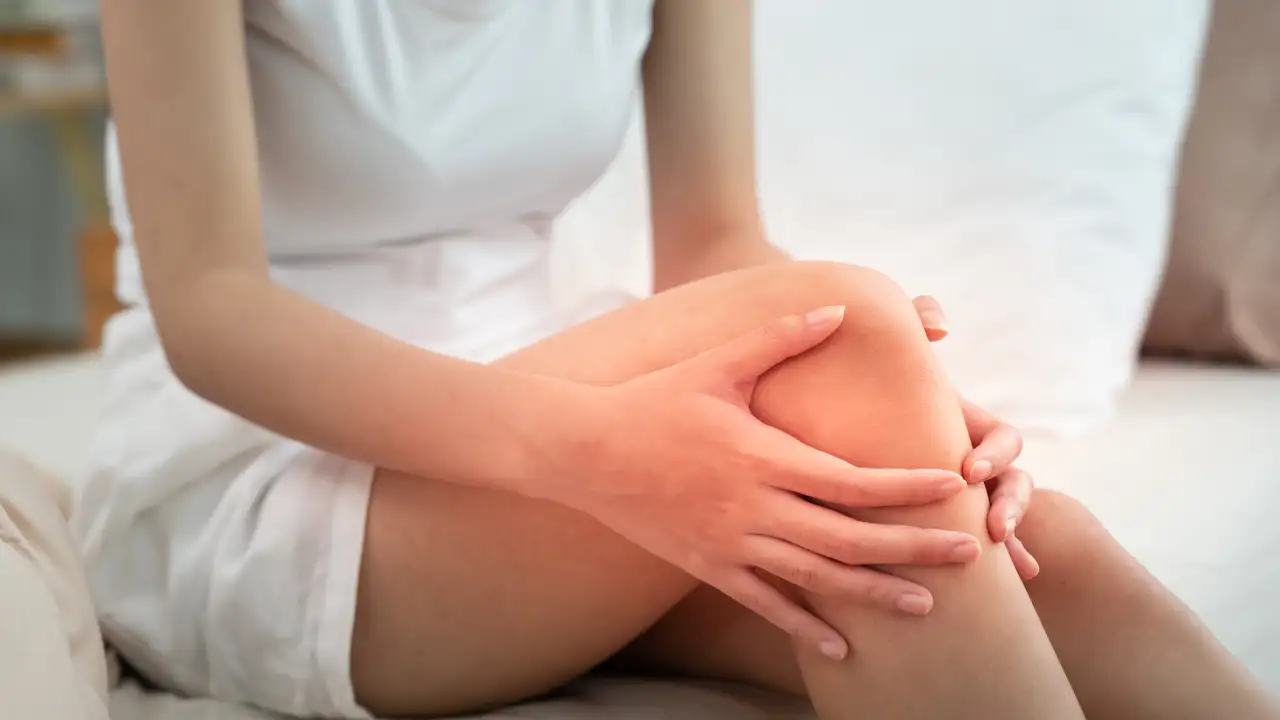
As temperatures drop during winter, many people experience increased stiffness, discomfort, or pain in their joints. This seasonal issue is especially common in the knees, hips, shoulders, hands, and spine. While often dismissed as a minor inconvenience, winter joint stiffness is linked to real physiological changes in the body caused by cold weather and reduced movement.
Understanding why joints feel stiffer in winter can help people take simple, effective steps to stay comfortable and mobile throughout the colder months.
Why Joint Stiffness Worsens in Winter
Reduced Blood Circulation
Cold temperatures cause blood vessels to narrow in order to conserve body heat. This reduced blood flow means less oxygen and fewer nutrients reach muscles and joints, leading to tightness and stiffness, particularly after periods of rest or inactivity.
Thickening of Joint Lubrication
Joints rely on synovial fluid to move smoothly. In colder conditions, this fluid can become thicker and less efficient, making joint movement feel harder and more uncomfortable. This effect is more noticeable in people with arthritis or previous joint injuries.
Changes in Atmospheric Pressure
Winter weather often brings fluctuations in barometric pressure. These changes can cause tissues around joints to expand slightly, increasing pressure and discomfort, especially in joints already affected by inflammation or wear and tear.
Reduced Physical Activity
Cold weather tends to limit outdoor movement and exercise. Less activity weakens muscles that support the joints and reduces flexibility, allowing stiffness to set in more easily. Regular movement is essential for keeping joints lubricated and mobile.
Dehydration and Nutritional Factors
People often drink less water in winter, even though hydration remains essential for joint health. Reduced sunlight exposure can also affect vitamin D levels, which play a role in bone and muscle function.

Common Symptoms of Winter Joint Stiffness
People experiencing cold-related joint issues may notice:
- Stiffness or tightness in joints after waking up
- Pain during movement such as walking, climbing stairs, or bending
- Reduced range of motion
- Swelling or aching in joints affected by arthritis
While mild stiffness is common, persistent or worsening symptoms should not be ignored.
How to Protect Your Joints During Winter
Keep Joints Warm
Wearing warm layers, gloves, socks, and joint supports helps maintain circulation and reduces muscle tightness. Keeping joints protected from cold air can significantly reduce stiffness.
Stay Physically Active
Regular low-impact exercise such as walking indoors, stretching, yoga, or swimming helps keep joints flexible and strengthens the muscles that support them.
Stretch and Warm Up
Gentle stretching in the morning and before activity improves blood flow and reduces stiffness. Even a few minutes of movement can make a noticeable difference.
Stay Hydrated and Eat Well
Drinking enough water supports joint lubrication. A balanced diet that includes anti-inflammatory foods like fruits, vegetables, nuts, seeds, and healthy fats can help manage joint discomfort.
Use Heat Therapy
Warm baths, heating pads, or warm compresses relax muscles and increase blood flow, making joint movement easier and less painful.
Maintain Healthy Body Weight
Excess weight places added pressure on joints, especially the knees and hips. Maintaining a healthy weight reduces strain and supports long-term joint health.
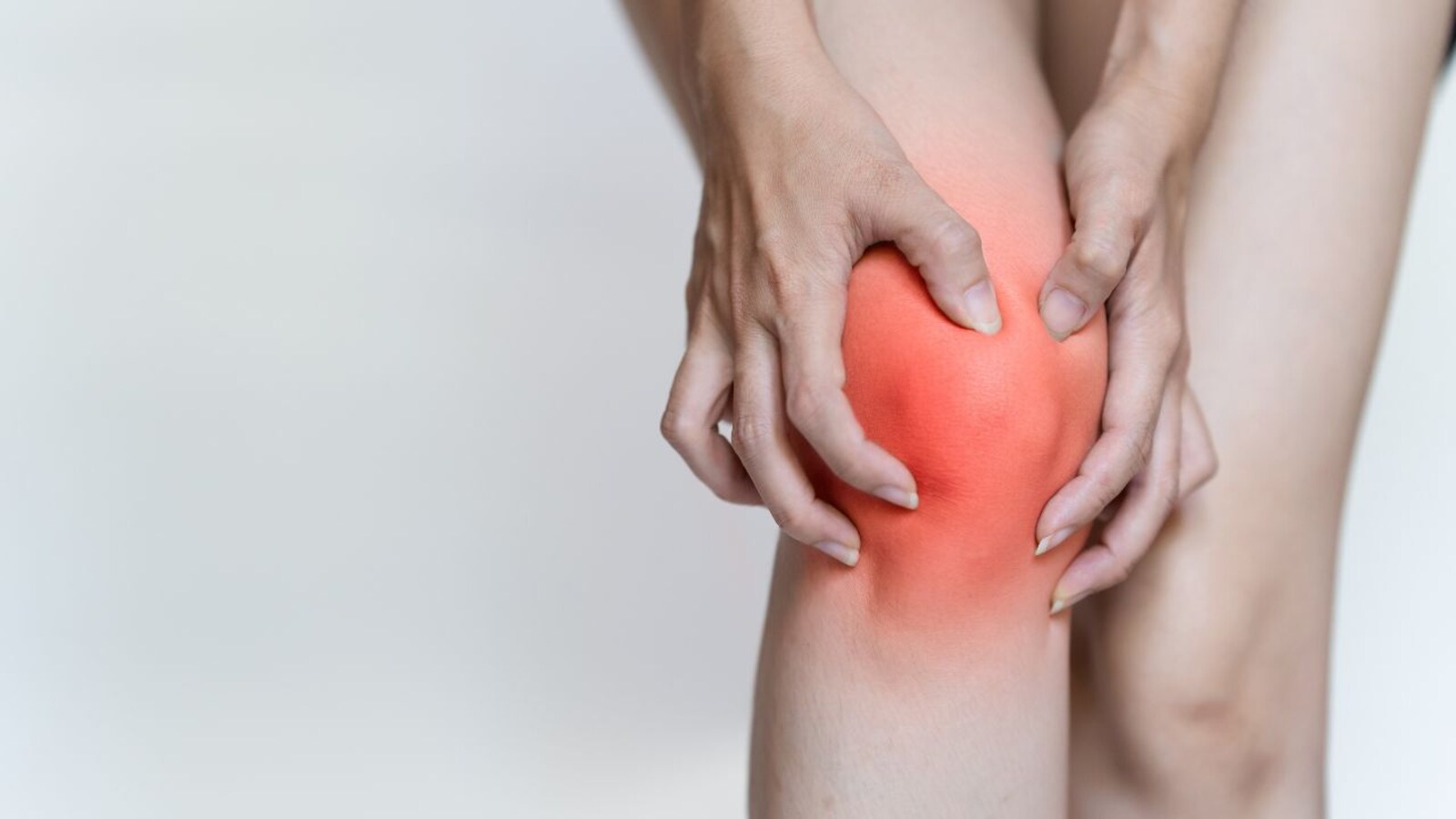
When to Seek Medical Advice
Medical attention should be considered if:
- Joint pain persists despite self-care
- Swelling, redness, or warmth develops around joints
- Daily activities become difficult
- There is sudden or severe joint pain
Early evaluation can help identify underlying conditions and prevent further joint damage.
Conclusion
Winter joint stiffness is a common seasonal concern caused by reduced circulation, thicker joint fluid, lower activity levels, and weather-related changes. Simple lifestyle adjustments — such as staying warm, staying active, stretching regularly, and maintaining hydration — can go a long way in protecting joint health and maintaining mobility during colder months.