
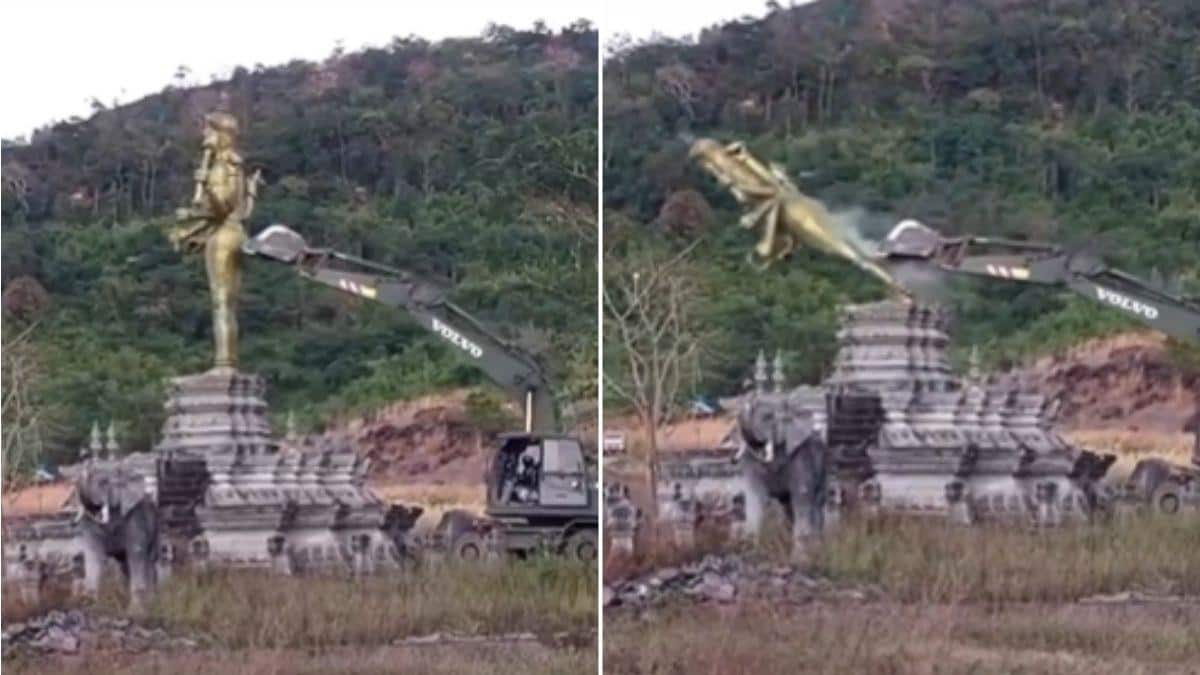
India has expressed serious concern over the demolition of a statue of Lord Vishnu in a disputed border region between Thailand and Cambodia, describing the incident as a disrespectful act that has hurt religious sentiments and risks further escalating an already volatile situation. The development comes amid renewed military tensions between the two Southeast Asian neighbours over long-standing territorial disagreements.
Responding to media queries, the Ministry of External Affairs (MEA) stated that it had taken note of reports regarding the removal of the statue during ongoing clashes in the contested area. The ministry emphasized that Lord Vishnu is a deeply revered deity, worshipped by millions across South and Southeast Asia, and that religious symbols hold immense cultural and civilizational significance in the region.
The MEA underlined that acts perceived as disrespectful to religious beliefs should be avoided, particularly in sensitive conflict zones. It urged all parties involved to exercise restraint, refrain from actions that could inflame sentiments, and pursue dialogue as the only viable path toward resolving disputes peacefully.
Background of the Incident
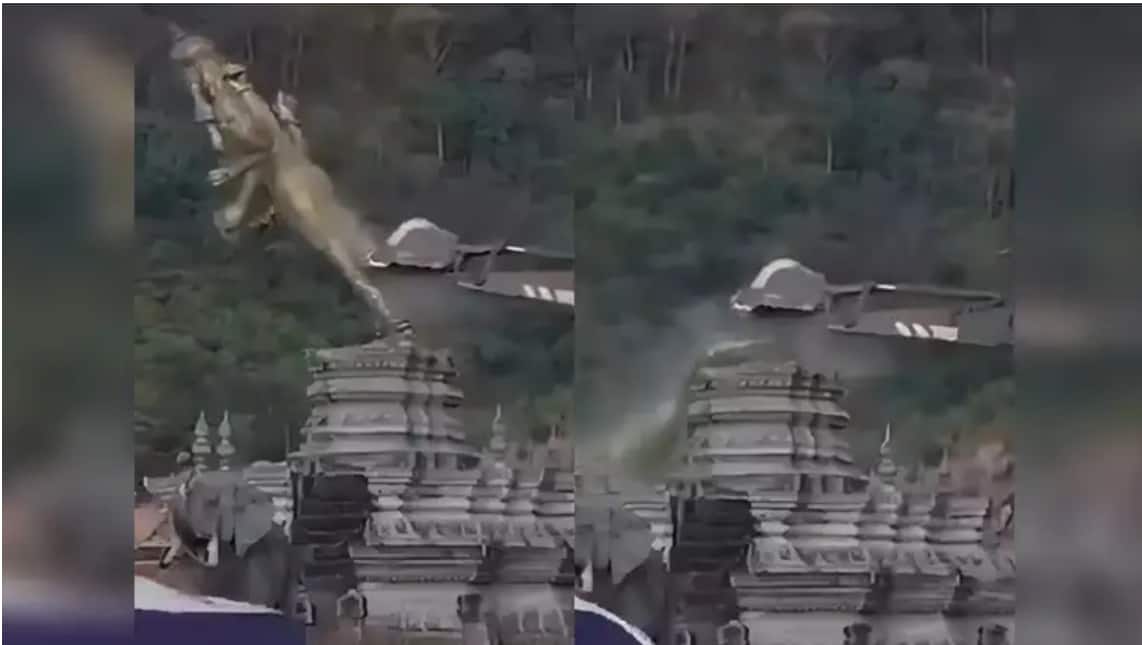
The demolition reportedly took place in a border area claimed by both Thailand and Cambodia, a region that has witnessed periodic flare-ups despite previous agreements aimed at maintaining peace. The statue, installed several years ago, had become a symbolic religious landmark in the area. Its removal during heightened military activity has sparked strong reactions, particularly in Cambodia, where officials have accused Thai forces of violating cultural and religious norms.
Cambodian authorities have asserted that the statue stood within their territory and have condemned its demolition as an affront to national sovereignty and cultural heritage. They argue that such actions undermine trust and complicate ongoing efforts to de-escalate tensions along the border.
While Thai authorities have not issued detailed public statements specifically addressing the demolition, they have previously maintained that security operations in disputed areas are conducted in line with national interests. However, the incident has drawn criticism from various quarters for its potential to aggravate religious and diplomatic sensitivities.
India’s Diplomatic Position
India’s response reflects its broader foreign policy approach of promoting regional stability and respect for cultural heritage. New Delhi shares close diplomatic and cultural ties with both Thailand and Cambodia and has consistently advocated peaceful resolution of disputes through dialogue and established mechanisms.
The MEA reiterated that Hindu and Buddhist traditions form a shared heritage across much of Asia, and protecting religious symbols is essential to preserving social harmony. India also stressed the importance of avoiding actions that could lead to further loss of life, destruction of property, or damage to historically and culturally significant sites.
Regional and Cultural Implications
The incident has once again highlighted how cultural and religious landmarks can become flashpoints in territorial conflicts. Border regions in Southeast Asia often carry layered historical, religious, and national significance, making them particularly sensitive during times of heightened tension.
Observers note that safeguarding cultural heritage during conflicts is not only a moral responsibility but also an international obligation. Damage to such sites can leave lasting scars on bilateral relations and fuel public anger, making reconciliation more difficult.
As diplomatic efforts continue to prevent further escalation between Thailand and Cambodia, India’s call for restraint and respect for religious sentiments adds to growing international appeals for calm. The focus, New Delhi emphasized, must remain on dialogue, de-escalation, and peaceful coexistence to ensure stability in the region and protect its shared cultural legacy.
Leave a Reply