
In a sharp escalation of diplomatic rhetoric, Pakistan has renewed allegations that India is hosting and sponsoring terrorist groups operating from Afghan territory—a claim New Delhi strongly denies. In response, India has reaffirmed its commitment to supporting Afghanistan’s sovereignty, peace, and regional stability.
Pakistan’s Accusation & Narrative
Over recent weeks, Pakistani officials have ramped up their public claims that India is using Afghanistan as a base to back militant outfits targeting Pakistan’s security. Defense Minister Khawaja Asif asserted that India is orchestrating a proxy conflict via Afghan soil, accusing New Delhi of “using the Taliban as a proxy” and “propping up anti-Pakistan terrorist elements.” He warned that Pakistan would respond firmly to what he framed as a malign regional strategy.
These accusations build on longstanding narratives from Islamabad about perceived encirclement by India and its allies. Pakistan’s leadership argues that by fostering insurgent networks, India is trying to destabilize Pakistan internally.
India’s Reaffirmation of Support for Afghanistan
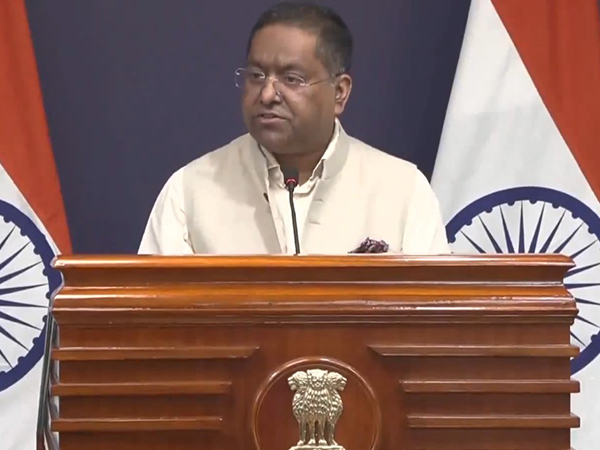
New Delhi has swiftly countered these claims, reaffirming that its engagement with Afghanistan is centered on diplomatic, developmental, and humanitarian objectives—not proxy warfare.
In statements from Indian officials:
- India reiterated that it does not condone or support any actor using Afghan territory to harm Pakistan or any other country.
- Endorsement of Afghan sovereignty and noninterference were restated as core principles guiding its Afghan outreach.
- India emphasized that its relationship with the Taliban government focuses on economic, infrastructure, diplomatic, and people-to-people ties, while stopping short of formal recognition.
Strategic Underpinnings & Regional Stakes
This latest exchange carries deeper strategic and geopolitical significance:
- India’s Afghan Strategy
India is gradually reopening diplomatic engagement with Kabul—including plans to reopen its embassy—and expanding assistance to Afghan development projects. These moves reflect India’s desire to remain a key regional stakeholder and counterbalance Pakistan’s influence. - Buffer vs. Proxy Contest
Pakistan’s rhetoric suggests it views Afghanistan as a strategic buffer zone, one that must be aligned against perceived Indian encroachment. In contrast, India’s narrative frames its Afghani relations in terms of regional peace and development, rejecting the notion of proxy competition. - Credibility & Perception Warfare
Accusations of terror sponsorship are a powerful tool in South Asian strategic communication. By making such claims, Pakistan attempts to claim moral high ground and portray India as a destabilizing force—putting pressure on global audiences and leveraging international diplomatic norms. - Escalation Risks
Such escalation in rhetoric raises risks of miscalculation. Should Pakistan opt for covert or overt retaliatory measures, or if India feels compelled to respond diplomatically or otherwise, regional tensions could intensify. Moreover, the illusion of militant legitimacy becomes a factor in war of narratives.
Challenges & Questions Ahead
- Evidence & Accountability: Pakistan’s claims remain largely rhetorical; whether it produces verifiable evidence will be critical to the credibility of its case.
- Afghan Sovereignty: Afghanistan’s own role matters—whether it allows its soil to be used for external ambitions or resists such pressures will affect regional alignment.
- Balance of Engagement: India must calibrate its Afghan outreach to maintain influence while avoiding faces of interference or military posturing.
- Regional Diplomacy: Third-party actors (Iran, China, Gulf states, US) may intervene to mediate or exploit fault lines.