

Heart disease often creeps in unnoticed, fueled by everyday habits that seem innocuous: sprinkling extra salt, indulging in sugary treats, or spending long hours seated. Recent expert commentary has cast light on how these three elements—salt, sugar, and sedentary behaviour—interact quietly yet cumulatively to compromise cardiovascular health.
The Role of Salt: From Seasoning to Strain
While sodium is an essential electrolyte for normal body functions, excess intake places undue stress on the cardiovascular system. Current guidelines generally recommend limiting salt to around 5 grams per day or less; intakes above this threshold are frequently linked to elevated blood pressure. In many diets, a surprising portion of sodium comes from processed foods and restaurant meals, making hidden salt a major culprit.

High sodium levels cause the body to retain water, increasing blood volume. This escalates pressure on blood vessel walls, forcing the heart to pump harder. Over time, that strain can contribute to hypertension, artery damage, and increased likelihood of events like stroke or heart attack.
However, it’s worth noting that the relationship isn’t absolutely linear: some research suggests overly aggressive sodium restriction may not benefit every individual equally. Balance, context, and individual health status matter greatly.
The Sweet Danger: Sugar’s Inconspicuous Assault
Sugar, especially in its added form, is increasingly recognized not just as a cause of obesity or diabetes but a direct threat to cardiovascular health. Chronic high blood sugar damages blood vessels internally, heightening risk of both microvascular (small vessel) and macrovascular damage (large arteries and heart vessels).
Moreover, excess sugar intake has been shown to:
- Promote inflammation, which accelerates atherosclerosis (plaque build-up in arteries)
- Increase triglyceride levels and lower “good” HDL cholesterol
- Trigger irregular heart rhythms or impair cardiac muscle function
One long-term study revealed that people whose diets consist of more than a quarter of calories from added sugar had more than twice the risk of death from heart disease compared to those consuming under 10 %. Even when body weight is controlled, sugar’s vascular effects seem to linger.
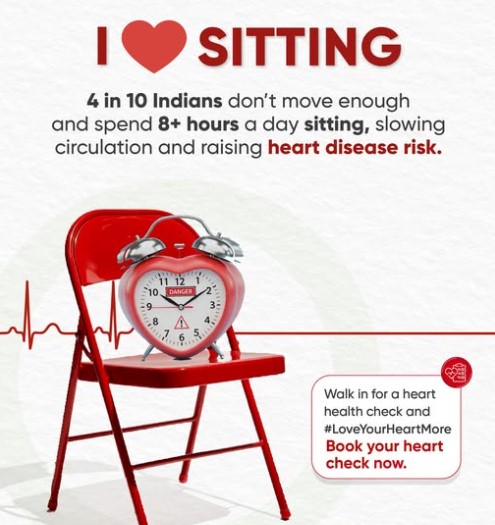
The Sedentary Hazard: When Sitting Becomes Silent Poison
Sitting itself has emerged as a distinct cardiovascular risk factor, independent of other lifestyle habits. Research shows that spending eight hours or more per day in a sedentary posture interferes with metabolic processes—diminishing insulin sensitivity, slowing fat metabolism, and weakening vascular responsiveness.
The effects intensify when prolonged sitting is habitual. Legs, blood vessels, and even heart performance can become compromised. And though common advice often touts “exercise later,” long unbroken durations of sitting may not be fully counterbalanced by occasional workouts.
Breaking up sitting time—standing, walking, stretching every 1–2 hours—can mitigate part of this risk. Even brief movement helps stimulate circulation, improve glucose regulation, and relieve vascular stress.
Why the Trio Compounds Risk
These three forces do not act in isolation; they reinforce each other:
- High salt may inflame blood vessels, making them more vulnerable to sugar-induced damage.
- Excess sugar contributes to insulin resistance, which can amplify sodium’s impact on blood pressure.
- Prolonged sitting exacerbates both salt and sugar harm by impairing metabolism and vascular tone.
Thus, a person who habitually consumes high sodium foods, sugary drinks, and sits for long hours faces a substantially elevated cumulative risk for heart disease.
Preventive Steps: Practical Lifestyle Adjustments
The silver lining is that modest changes can go a long way in protecting heart health:
- Trim sodium intake: Use less table salt, favor fresh foods over processed items, and read nutrition labels for sodium content.
- Choose sugar wisely: Limit added sugars—especially from sodas, sweets, and processed snacks. Replace with natural options like fruit or unsweetened variants.
- Break up sitting: Stand, walk, stretch, or do light activity every hour. Even two-minute movement breaks help.
- Monitor and manage: Regularly check blood pressure, fasting glucose, and lipid profiles. If necessary, consult healthcare professionals for medical or behavioral interventions.
- Adopt an integrated approach: Combine diet, movement, stress control, sleep, and medical guidance to holistically reduce cardiovascular load.
Salt, sugar, and sedentary behavior may seem trivial in isolation—but over weeks, months, years, they quietly sow the seeds of vascular injury. Awareness, consistency, and small course corrections are key. The heart doesn’t demand perfection—it asks for respect. Start now, so the future heart can beat stronger.
Leave a Reply