
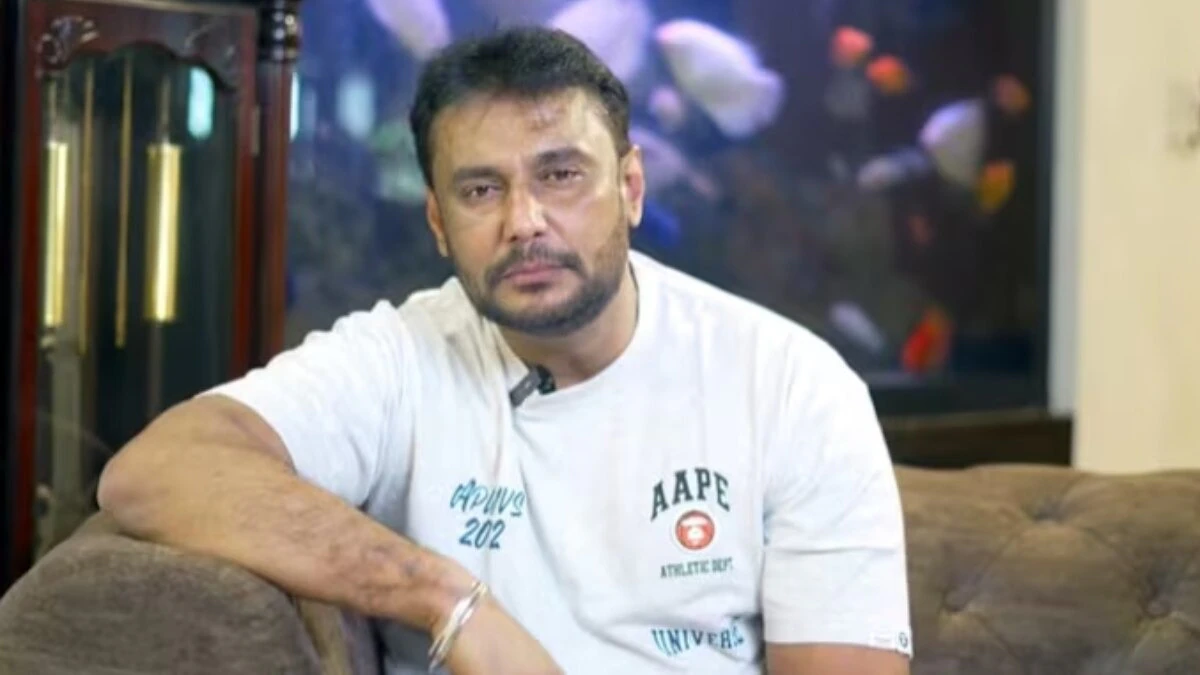
The trial in the Renukaswamy murder case has taken a significant turn after three accused approached a Bengaluru sessions court seeking permission to become approvers and testify for the prosecution against the other accused, including Kannada actor Darshan.
The applications were filed during the ongoing day-to-day trial and could potentially provide the prosecution with additional testimony from individuals who are themselves facing charges in the case. The court, however, has not yet accepted the requests. The 59th Additional City Civil and Sessions Court has reserved its decision on the applications until August 10.
The three accused seeking to become prosecution witnesses are Pradosh Rao, Ravi Shankar and Vinay Raghavendra, also known as Vinay. Pradosh was the first to approach the court with the request on Tuesday, while Ravi Shankar and Vinay followed with similar intentions the next day.
Three accused seek pardon
Pradosh’s lawyer, Diwakar R, told the court that his client was willing to provide a statement and sought pardon under the applicable criminal procedure provisions. The defence also requested that Pradosh be moved out of the prison cell shared with other accused, citing concerns about his safety if he is allowed to become an approver.
The lawyer argued that granting protection to the proposed witness and recording his statement at the earliest could assist the prosecution in establishing its case.
When lawyers representing Ravi Shankar and Vinay indicated that their clients also intended to seek approver status, Pradosh’s counsel opposed the idea of hearing all three applications together. He maintained that because Pradosh had approached the court first, his application should be considered separately.
The issue has placed the court in the position of determining not only whether the accused can be granted pardon but also how the legal process should proceed when multiple accused persons seek to become prosecution witnesses during the same trial.
Prosecution supports consideration of applications
Special public prosecutor Prasanna Kumar told the court that the state had no objection to the applications being considered. He referred to Section 306 of the Code of Criminal Procedure, which provides a mechanism through which an accused person may be granted pardon in return for making a full and truthful disclosure of the circumstances surrounding an offence.
According to the prosecution’s position, the court must first decide whether pardon should be granted. Only after such a decision can the applicant formally testify as an approver.
The prosecution also argued that the remaining accused do not have a right to challenge the application at this preliminary stage. Any objections, it maintained, could be raised after the court takes a decision on granting pardon, with further legal remedies available if the process is disputed.
At the same time, the prosecution sought a condition that any pardon granted to the applicants should depend on their providing a complete and truthful account of all relevant facts connected with the alleged crime.
This condition is significant because an approver’s evidence is expected to assist the prosecution in establishing the circumstances surrounding an offence and the roles allegedly played by different accused persons. 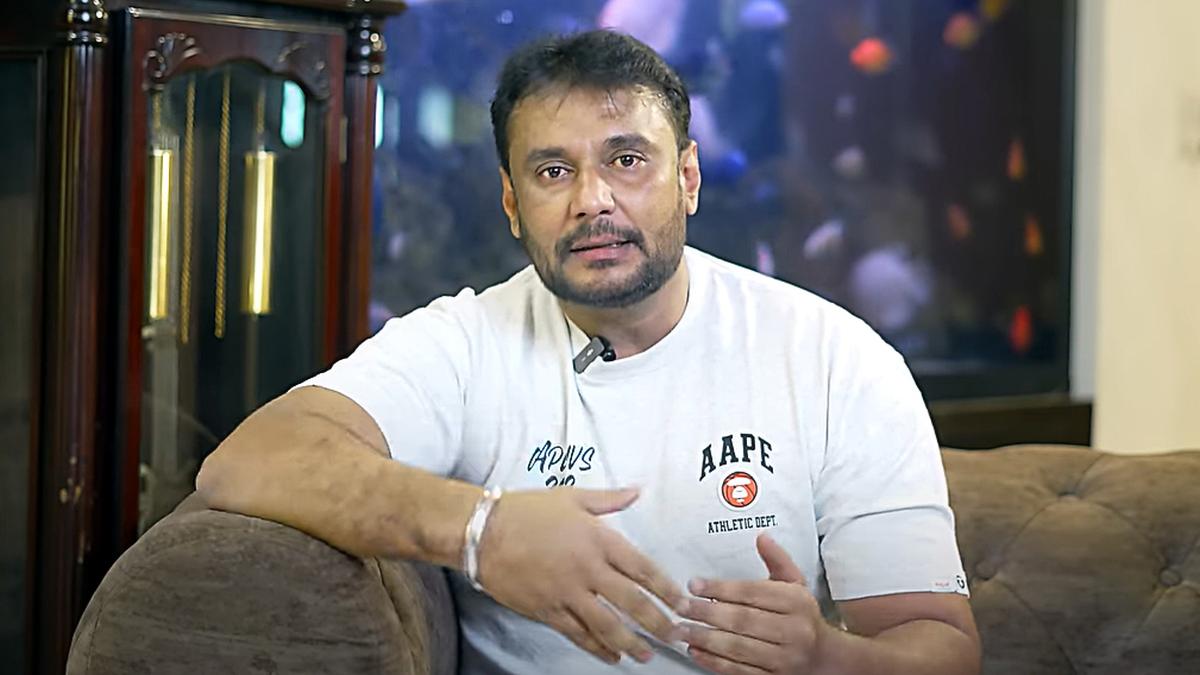
Darshan’s defence opposes the move
The defence representing actor Darshan opposed the applications. Senior advocate Hashmat Pasha argued that the defence had not been provided copies of the applications before the hearing and questioned whether an accused could receive pardon simply by agreeing to testify against others.
The defence maintained that every accused has the right to present and defend their case and argued that the possibility of giving evidence should not, by itself, become grounds for granting relief from prosecution.
The objections from Darshan’s side add another layer to the court’s consideration, particularly because testimony from an accused-turned-approver could potentially have implications for the prosecution’s case against the remaining accused.
The court has now reserved its order and is expected to decide on August 10 whether the applications can proceed and under what conditions.
What is the Renukaswamy murder case?
The case concerns the death of Renukaswamy, who was killed on June 8, 2024. Police subsequently arrested 17 people, including actor Darshan and actor Pavithra Gowda, in connection with the case.
Investigators have alleged that different accused persons played different roles in the events surrounding the murder and the subsequent efforts to conceal evidence.
Pradosh has been accused of involvement in the alleged conspiracy and destruction of evidence. Investigators also recovered approximately ₹30 lakh from his residence, which the prosecution has linked to efforts allegedly made to conceal the crime.
Ravi Shankar and Vinay face allegations relating to assault and destruction of evidence.
The case has attracted considerable public attention because of Darshan’s alleged involvement and the number of people accused in connection with the killing. The proceedings have continued through the trial process, with the prosecution attempting to establish the circumstances of Renukaswamy’s death and the alleged roles of those facing charges.
Why the approver applications matter
The latest development could become important for the prosecution if any of the three accused is ultimately permitted to turn approver and gives evidence against the remaining accused.
An accused who receives pardon under the relevant legal provisions is generally required to make a complete and truthful disclosure of the circumstances known to them. Such testimony can potentially provide investigators and prosecutors with an insider account of events.
However, the decision to grant pardon rests with the court. The applicants must satisfy the legal requirements, and their evidence would subsequently be subject to scrutiny during the judicial process.
The court’s decision on August 10 will therefore determine whether the three applications can move forward and whether their proposed testimony can become part of the prosecution’s strategy in the ongoing trial.
For now, no final decision has been taken on the requests. The accused remain subject to the charges against them, and the allegations made in the case have yet to be finally determined by the court.