
The dispute over criminal cases registered against students and protesters has intensified, with the Cockroach Janta Party (CJP) saying that the government has yet to provide a written commitment to withdraw the FIRs or guarantee that students will not face fresh legal action in the future.
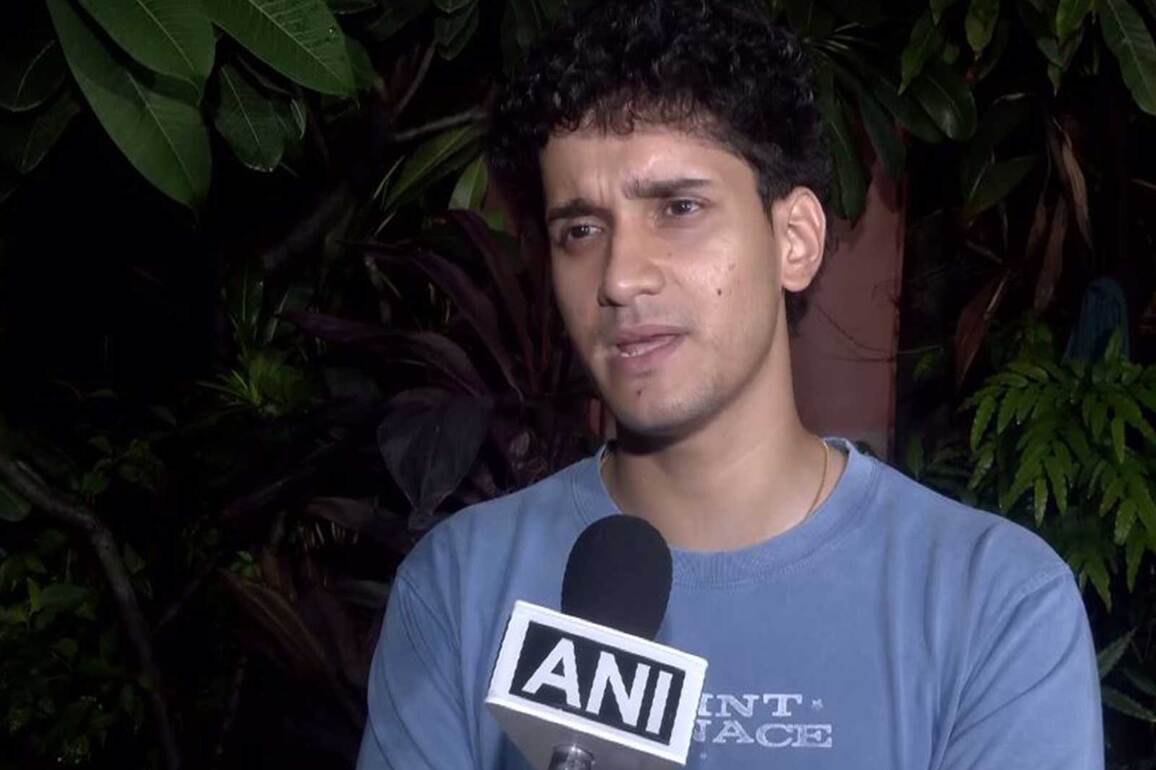
CJP chief spokesperson Saurav Das said he met representatives of the government on Tuesday evening following an invitation from officials. According to Das, the meeting focused on the assurances that the government had previously given to the student movement concerning the withdrawal of cases and protection from further action.
However, Das claimed that the meeting did not result in the written confirmation the CJP had been seeking. He said government representatives referred to an order of the Supreme Court during the discussion and indicated that the matter was now before the court, or sub judice.
The development has added another layer of uncertainty to an already tense situation involving student protesters, criminal investigations and the government’s handling of cases filed during protests.
Government officials cited Supreme Court order, says Das
According to Das, the government invited him for discussions and showed him the Supreme Court’s order, particularly its fourth direction, which permits authorities to continue investigations into existing FIRs.
Das said he directly asked government representatives whether the assurances made to students would be formally provided in writing. He claimed that no clear response had been received on the matter at the time of his statement.
The CJP spokesperson maintained that the government’s earlier assurance was not intended to be restricted only to Delhi. According to him, the understanding extended to states governed by the BJP or administrations aligned with the National Democratic Alliance (NDA).
The issue, therefore, goes beyond the immediate question of individual FIRs. The CJP’s position is that students and protesters who participated in the movement should be protected from future legal action connected to the protests, while cases already registered against them should be withdrawn.
The absence of a written guarantee has now become a central point of contention between the student movement and the government.
CJP sets deadline, warns of ‘massive betrayal’
Das said the CJP had set Tuesday as the deadline for receiving a written assurance from the government. With the deadline approaching and no such document having been received, he accused the government of failing to honour its commitments to students.
He warned that the government could be heading towards what he described as a “massive betrayal of the country’s youth”.
The CJP spokesperson further said that the movement would not accept any future order or decision that, in its view, contradicts the commitments made to students.
The organisation has maintained that the government must stand by its assurances and ensure that students are not subjected to further legal action as a result of their participation in the protests.
Das also indicated that the CJP was prepared to intensify its campaign if the government did not provide the requested assurance. He said the organisation could announce another large-scale protest, potentially involving demonstrations in Delhi as well as other parts of the country. 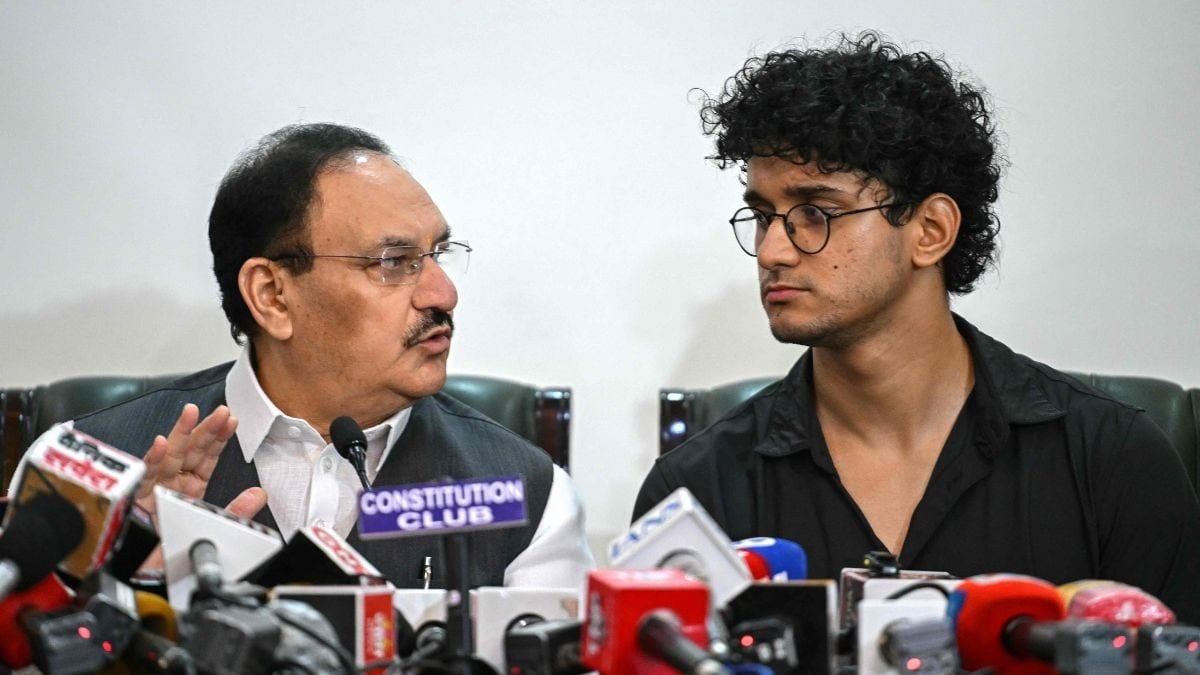
Supreme Court order becomes key point of disagreement
The latest disagreement follows an interim order of the Supreme Court that allows authorities to continue investigating FIRs registered in connection with the nationwide student protests.
The court’s position has become a major point of discussion in the dispute. While the government has reportedly cited the judicial order as the basis for continuing investigations, the CJP has argued that the order does not align with what it understood to be the government’s earlier commitments.
Das had previously criticised the conditions associated with the court’s order, saying they were unacceptable to the student movement.
The dispute now centres on how the government’s assurances should be interpreted in light of the Supreme Court’s directions. While the authorities appear to be relying on the legal position established by the court, the CJP is insisting that the commitments made to students should also be honoured.
This has created a situation in which the student movement is demanding political and administrative assurances, while the government is pointing towards the ongoing judicial process.
CJP says Supreme Court should not be politicised
In a separate social media statement, Das argued that the Supreme Court should not be politicised or used as a justification for actions against genuine protesters.
He questioned the manner in which criminal cases could potentially be pursued against students who, according to the CJP, participated in peaceful demonstrations.
Das also referred to allegations involving individuals who may have been involved in criminal activities. He argued that if people facing criminal allegations were found to have violated bail conditions, the authorities should take appropriate legal steps in those individual cases.
However, he cautioned against using such cases as a reason to continue pursuing what the CJP considers to be genuine student protesters.
The statement reflects the broader argument being made by the organisation: that legal action against individuals accused of criminal offences should be distinguished from cases involving students who participated in protests without committing criminal acts.
Calls for withdrawal of FIRs continue
The CJP’s latest position follows several public statements from its representatives demanding the withdrawal of FIRs filed against protesters and students.
On Monday, CJP spokesperson Ashutosh Ranka called for all cases against protesters to be withdrawn and for students to be released. He also demanded assurances that no new FIRs would be registered against protesters by the Delhi Police, central investigative agencies or police forces in states governed by BJP or NDA-aligned administrations.
Ranka warned that failure to meet these demands could result in the movement returning to the streets.
CJP founder Abhijeet Dipke also expressed opposition to what he described as the harassment and targeting of students. He said the organisation would respond with another large peaceful protest if students continued to face what it considers unnecessary police action.
These statements indicate that the disagreement has not been resolved despite discussions between representatives of the movement and the government.
Fresh protest threat raises concerns over escalation
The possibility of another nationwide protest has emerged as the latest pressure point in the dispute.
The CJP has repeatedly indicated that it could restart demonstrations if its demands regarding FIRs are not addressed. The organisation’s leadership has maintained that the government must fulfil its commitments and ensure that students are not subjected to further action related to the protests.
For the government, the issue is complicated by the Supreme Court’s ongoing involvement in the matter. The authorities’ ability to act on the demands for withdrawing cases may be influenced by the court’s directions and the status of investigations.
For the student movement, however, the central concern remains the alleged assurances made to protesters and whether those commitments will be honoured in practice.
The absence of a written guarantee has therefore become a significant point of mistrust. Until the government provides clarity on its position, the possibility of renewed demonstrations remains.
The coming days are likely to determine whether negotiations can resolve the dispute or whether the disagreement over the student FIRs will lead to another round of protests across Delhi and other parts of the country.