
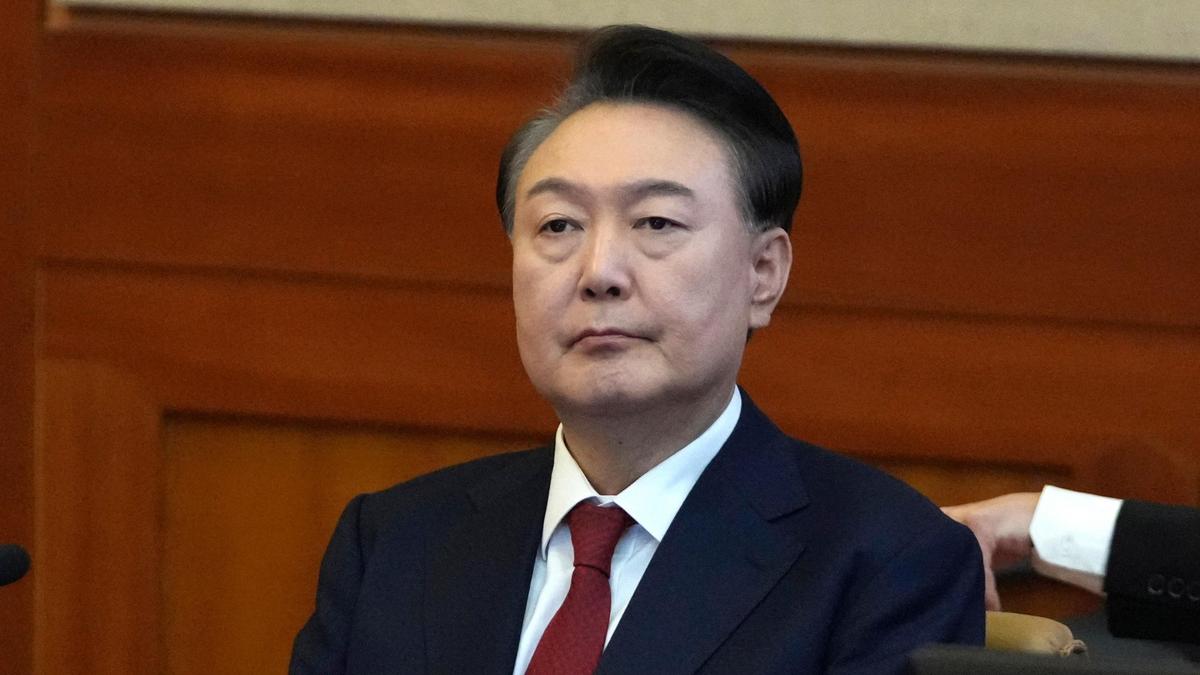
A South Korean court has sentenced a former president to two years in prison after finding him guilty in a political funding case, adding another significant development to the country’s long history of holding former national leaders legally accountable. The verdict reflects South Korea’s strong judicial approach toward enforcing campaign finance laws and addressing allegations of political misconduct involving high-ranking public officials.
The ruling comes after an extensive legal process that examined allegations surrounding illegal political funding activities. Prosecutors argued that the former president accepted or managed political funds in violation of election and campaign finance regulations. Following a detailed review of evidence and witness testimony, the court concluded that the actions breached the country’s political funding laws, resulting in the prison sentence.
Court Finds Violations of Political Funding Regulations
According to the court’s findings, the former leader failed to comply with legal requirements governing the collection and use of political funds. South Korean law imposes strict rules on campaign financing to ensure transparency, prevent corruption, and maintain public confidence in democratic institutions.
The court stated that political leaders are expected to uphold the highest ethical standards and that any misuse of political funding undermines public trust in the electoral process. Judges noted that accountability becomes even more important when senior public officials are involved.
Although the sentence amounts to two years in prison, legal experts note that the case also carries broader political and symbolic significance, reinforcing the country’s commitment to enforcing laws equally regardless of an individual’s previous position or influence.
Long Investigation Led to Conviction
The investigation into the funding case had been underway for an extended period, with authorities reviewing financial records, campaign-related transactions, and testimonies connected to political fundraising activities. Prosecutors maintained that the evidence demonstrated clear violations of existing legal provisions governing political donations and election-related finances.
During the proceedings, the defense challenged aspects of the prosecution’s arguments and sought a different interpretation of the evidence presented before the court. However, after reviewing the complete record, the judges ruled that sufficient evidence existed to support the conviction.
The decision marks the conclusion of one stage of the legal process, although further legal remedies or appeals may still be available under South Korean law. 
South Korea’s Record of Holding Leaders Accountable
South Korea has earned international attention over the years for its willingness to investigate and prosecute former presidents and senior political figures accused of corruption, abuse of power, bribery, or violations of political funding laws. Multiple former leaders have faced criminal investigations, trials, and prison sentences after leaving office.
The country’s independent judiciary has repeatedly emphasized that no public official is above the law, regardless of political status or previous office. These high-profile cases have often generated intense public debate while demonstrating the functioning of South Korea’s legal institutions.
Political analysts believe such prosecutions have become a defining feature of South Korean democracy, where legal accountability remains an essential part of the nation’s governance system.
Political and Public Reactions
The court’s ruling is expected to trigger strong reactions across South Korea’s political landscape. Supporters of the former president may question aspects of the verdict, while critics are likely to view the decision as evidence that the justice system is capable of addressing wrongdoing at the highest levels of government.
Observers also believe the case could influence future discussions on campaign finance reform, political transparency, and ethical standards for elected officials. It may encourage lawmakers to review existing regulations to strengthen oversight of political donations and campaign expenditures.
The verdict is also likely to renew public conversations about the importance of transparent governance and the responsibility of political leaders to comply fully with election and funding laws.
Broader Significance
The sentencing serves as another reminder of South Korea’s ongoing efforts to reinforce accountability in public office. By pursuing legal action against former leaders when evidence supports criminal charges, the country’s judicial system continues to demonstrate its commitment to the rule of law.
While the political consequences of the verdict may unfold over time, the case underscores the importance of maintaining transparent political financing and protecting the integrity of democratic institutions.
As legal proceedings move forward and any potential appeals are considered, the judgment is expected to remain a significant milestone in South Korea’s continuing efforts to uphold accountability, strengthen democratic governance, and ensure that violations of political funding laws are addressed through the judicial process.