
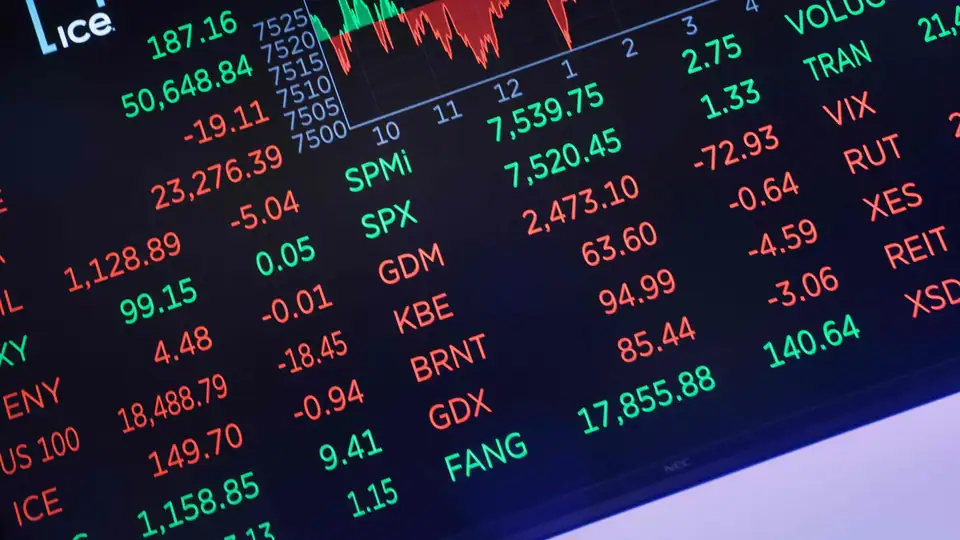
Global financial markets experienced heightened volatility as renewed military tensions involving the United States and Iran pushed crude oil prices higher while weighing heavily on technology stocks. Investors reacted cautiously to the latest developments in the Middle East, fearing potential disruptions to global energy supplies and a prolonged period of geopolitical instability.
The renewed conflict raised fresh concerns over the security of oil production and transportation routes in one of the world’s most strategically important energy-producing regions. As uncertainty grew, traders moved quickly to price in the possibility of tighter crude supplies, resulting in a noticeable surge in international benchmark oil prices.
Oil Markets React to Geopolitical Risks
Crude oil prices advanced significantly as traders assessed the potential impact of escalating military actions on global energy markets. Any conflict involving major oil-producing nations or key shipping routes often creates uncertainty over future supplies, encouraging investors to seek protection against possible shortages.
Market participants closely monitored developments across the Middle East, particularly because the region accounts for a substantial share of global crude oil exports. Concerns over supply interruptions increased demand for oil futures, contributing to the upward movement in prices.
Energy analysts noted that geopolitical tensions remain one of the strongest short-term drivers of oil markets. Even without immediate disruptions to production, the possibility of escalation is often enough to trigger rapid price movements as traders adjust their positions.
Technology Stocks Face Selling Pressure
While energy markets benefited from rising oil prices, technology stocks came under pressure as investors shifted away from growth-oriented sectors. Higher energy costs can contribute to inflationary pressures, raising expectations that interest rates could remain elevated for a longer period.
Technology companies are generally more sensitive to changes in interest rate expectations because higher borrowing costs can reduce the present value of future earnings. As a result, many investors reduced exposure to technology shares and rotated toward sectors considered more defensive during periods of uncertainty.
The broader equity market reflected mixed sentiment, with energy-related companies outperforming while growth-focused industries struggled amid increasing geopolitical concerns.
Investors Seek Safe-Haven Assets
The latest developments prompted investors to increase allocations to traditional safe-haven investments, including government bonds, gold, and other lower-risk assets. Financial markets typically witness this pattern whenever geopolitical risks intensify and uncertainty over the global economic outlook rises.
Market volatility also increased as traders evaluated whether the conflict could spread further or remain geographically contained. Currency markets showed signs of caution, with investors closely watching movements in the US dollar and other major global currencies.
Inflation Concerns Return
Higher oil prices have significant implications beyond the energy sector. Rising fuel costs often increase transportation and manufacturing expenses, which can eventually affect consumer prices across multiple industries.
Economists warned that if crude oil prices remain elevated for an extended period, inflation could accelerate once again, creating additional challenges for central banks already balancing economic growth against price stability.
Persistent increases in energy prices may influence future monetary policy decisions, particularly if inflation begins moving away from official targets.
Global Economic Outlook Under Pressure
Financial analysts cautioned that prolonged geopolitical instability could create additional risks for the global economy. Businesses dependent on stable energy prices may experience higher operating costs, while consumers could face increased fuel and transportation expenses.
Supply chain disruptions remain another concern if tensions affect major shipping routes or regional trade. Any interruption in energy exports from the Middle East could have far-reaching consequences for economies heavily reliant on imported crude oil.
Although markets remain focused on immediate developments, investors are also assessing how governments and international organizations respond to the evolving situation.
Market Participants Monitor Next Developments
Investors are expected to remain highly sensitive to further geopolitical updates in the coming days. Any signs of de-escalation could ease pressure on financial markets and stabilize oil prices, while additional military actions may trigger renewed volatility across equities, commodities, and currency markets.
For now, energy markets remain driven by uncertainty, with traders closely tracking diplomatic efforts, military developments, and their potential impact on global oil supplies. Financial experts believe market sentiment will continue to depend largely on how the situation evolves and whether supply risks become more pronounced in the weeks ahead.