
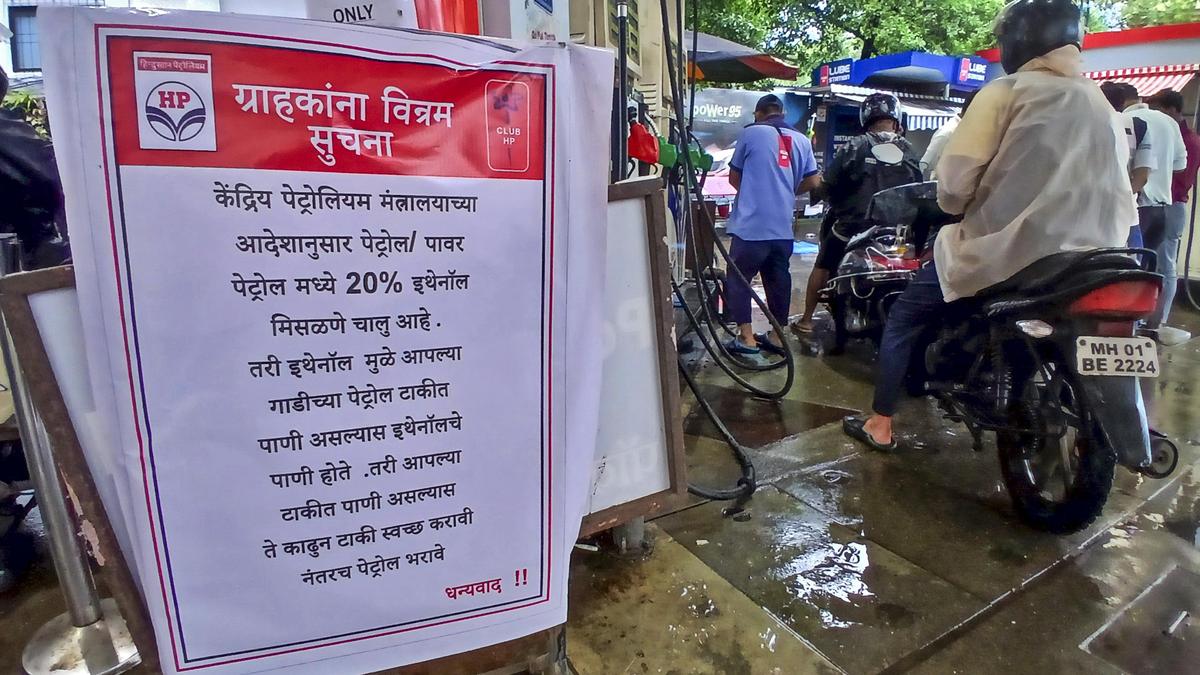
The Ministry of Petroleum and Natural Gas has stated that the use of E20 petrol, which contains 20 percent ethanol and 80 percent petrol, may lead to a slight reduction in vehicle fuel efficiency of up to 5 percent. However, the ministry emphasized that the environmental, economic, and strategic advantages of ethanol-blended fuel far outweigh the marginal decline in mileage.
The clarification comes as motorists across the country have raised concerns over the impact of E20 fuel on vehicle performance. According to the ministry, while ethanol contains slightly less energy than conventional petrol, it burns more efficiently and contributes to cleaner emissions, reduced dependence on imported crude oil, and improved energy security for India.
Why E20 Petrol Affects Mileage
Government officials explained that ethanol has a lower calorific value than petrol, meaning vehicles require a slightly higher quantity of fuel to generate the same amount of energy. As a result, some vehicles may experience a mileage reduction ranging from 3 to 5 percent.
The actual impact, however, depends on several factors, including vehicle type, engine technology, driving habits, traffic conditions, road quality, tyre pressure, air-conditioner usage, and regular vehicle maintenance. Officials noted that these factors often have a greater influence on fuel economy than the ethanol blend itself.
Cleaner Combustion Means Lower Emissions
One of the key advantages of E20 petrol is its ability to promote cleaner combustion. Since ethanol contains oxygen, it helps fuel burn more completely inside the engine, reducing the emission of harmful pollutants.
The ministry said this cleaner combustion contributes to lower carbon emissions and improved air quality. Ethanol also has a higher octane rating than conventional petrol, which helps reduce engine knocking and supports smoother engine performance.
Experts believe that vehicles specifically designed or calibrated for E20 fuel can benefit from improved combustion efficiency while contributing to a cleaner environment. 
Strengthening India’s Energy Security
The government views ethanol blending as a major step toward strengthening India’s energy independence. As one of the world’s largest importers of crude oil, India remains vulnerable to fluctuations in international oil prices and supply disruptions.
By replacing a portion of petrol with domestically produced ethanol, the country can reduce its dependence on imported fossil fuels, lower its import bill, and conserve valuable foreign exchange. Officials said the programme also supports India’s broader objective of building a more sustainable and self-reliant energy ecosystem.
Benefits for Farmers and Rural Economy
The expansion of ethanol blending has also created new opportunities for India’s agricultural sector. Ethanol is primarily produced from sugarcane, maize, and surplus food grains, providing farmers with an additional and stable source of income.
The government believes that increased demand for ethanol supports agricultural growth, strengthens rural economies, and creates employment opportunities while promoting renewable energy production.
Addressing Vehicle Compatibility Concerns
Questions have also been raised about whether E20 petrol could damage engines, particularly in older vehicles. The ministry said extensive testing was carried out in collaboration with automobile manufacturers, fuel companies, and research institutions before the nationwide rollout.
According to officials, there is no evidence to suggest that E20 fuel causes engine damage in vehicles that are approved or designed to use the blend. While a slight reduction in mileage is expected because of ethanol’s lower energy content, properly maintained E20-compatible vehicles should continue to operate safely and efficiently.
India’s Ethanol Blending Programme Continues to Expand
India’s ethanol blending programme has grown rapidly over the past decade and has become a central part of the country’s clean energy strategy. The government has significantly increased ethanol blending levels while expanding domestic production capacity to support future demand.
Officials maintain that although motorists may notice a minor reduction in fuel efficiency, the overall benefits—including cleaner emissions, reduced oil imports, enhanced energy security, stronger support for farmers, and progress toward environmental sustainability—make E20 petrol an important milestone in India’s transition to cleaner transportation fuels.