
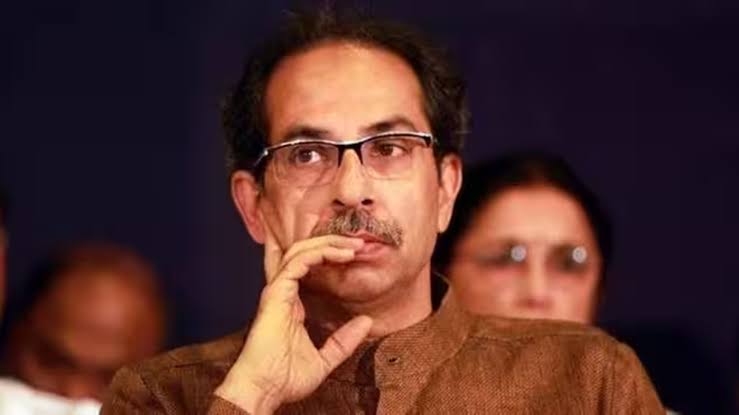
Internal dissatisfaction appears to be mounting within Uddhav Thackeray’s faction of the Shiv Sena as several long-time party workers and loyalists have reportedly expressed frustration over what they perceive as preferential treatment being given to recently inducted leaders and political outsiders. The growing discontent has sparked fresh discussions about organizational discipline, leadership decisions, and the future direction of the party as it prepares for upcoming political challenges.
According to party insiders, many dedicated workers who have remained loyal through years of political upheaval believe their contributions are being overlooked while newcomers are receiving prominent positions, greater visibility, and direct access to the leadership. The issue has reportedly become a topic of concern among district- and state-level office bearers, who fear that continued neglect of grassroots workers could weaken the party’s organizational strength.
The unease comes at a time when the party is actively attempting to expand its political base by welcoming leaders from rival political outfits. Senior leaders view these inductions as part of a broader strategy to strengthen the organization ahead of future elections. However, this approach has created resentment among long-serving members who argue that years of dedication and loyalty should be rewarded before accommodating recent entrants.
Several party functionaries have privately voiced concerns that workers who remained committed during the party’s most difficult period—including the political split that significantly reshaped Maharashtra’s political landscape—deserve greater recognition. They believe that the sacrifices made by loyal cadres have not been adequately acknowledged and that rewarding newcomers without considering the sentiments of existing workers could have long-term consequences. 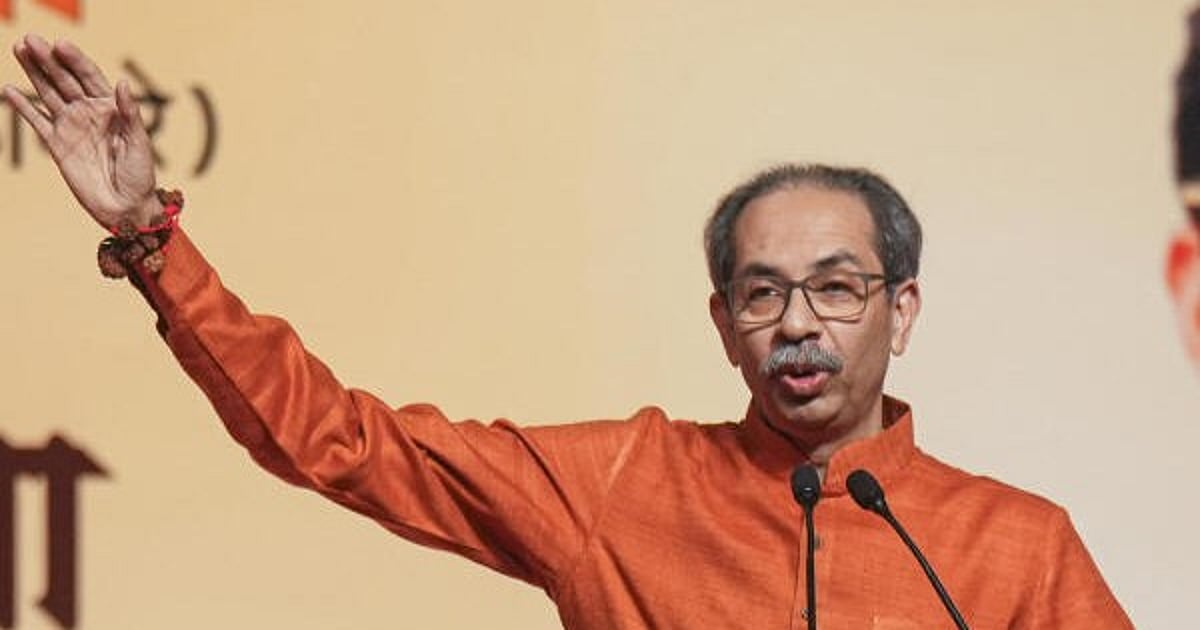
Sources familiar with internal discussions suggest that complaints have been communicated to the party leadership through various channels. Workers have reportedly sought greater transparency in appointments, organizational responsibilities, and decision-making processes. Many are urging the leadership to strike a balance between expanding the party through fresh inductions and preserving the morale of experienced party members.
Political observers note that internal disagreements of this nature are not uncommon during periods of organizational restructuring. As parties seek to broaden their electoral appeal by attracting influential leaders from different political backgrounds, tensions can emerge between established cadres and newly inducted members. Managing these competing expectations often becomes a crucial leadership challenge.
For Uddhav Thackeray, maintaining unity within the party remains a key priority. Since the major political split in the Shiv Sena, his leadership has focused on rebuilding the organization’s grassroots presence while simultaneously attracting experienced political leaders capable of strengthening the party’s electoral prospects. However, balancing organizational expansion with cadre satisfaction continues to be a delicate task.
Party insiders believe the leadership is aware of the concerns being raised and may take steps to reassure loyal workers through organizational appointments, increased engagement with grassroots members, and greater participation in decision-making processes. Such measures could help address growing dissatisfaction before it affects the party’s internal cohesion.
Political analysts say the situation highlights the broader challenges faced by regional political parties attempting to rebuild after major organizational disruptions. While recruiting influential leaders may enhance electoral competitiveness, maintaining the confidence of long-serving workers is equally important for ensuring sustained organizational stability.
As the political landscape in Maharashtra continues to evolve, how the party leadership responds to these internal concerns could significantly influence its organizational strength and electoral preparedness. Party workers remain hopeful that their loyalty and years of service will receive due recognition, while the leadership seeks to maintain unity and position the organization for future political contests.