
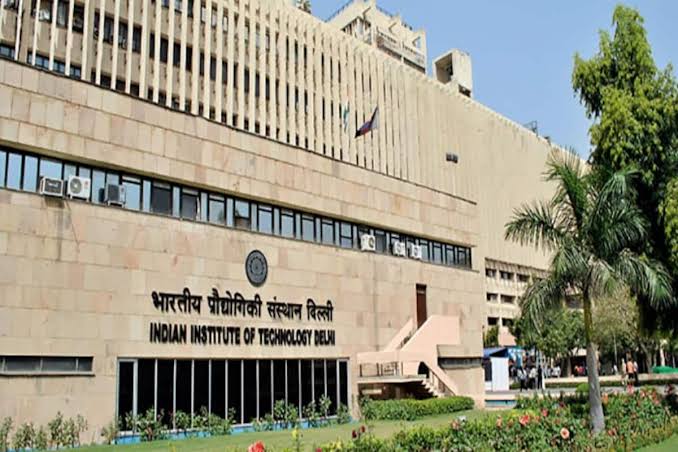
India’s premier engineering institutions are grappling with a significant shortage of faculty members, with more than 38 percent of sanctioned teaching positions lying vacant across all 23 Indian Institutes of Technology (IITs). The alarming figures have reignited concerns about the long-term impact of staffing shortages on academic quality, research productivity, and the global competitiveness of the country’s top technical institutions.
The faculty deficit highlights a persistent challenge within India’s higher education ecosystem, despite continuous expansion in student intake, academic programs, and research initiatives over the past decade.
Thousands of Teaching Posts Remain Vacant
According to official data, a substantial proportion of sanctioned faculty positions across the IIT network remain unfilled. The vacancies span various academic disciplines, including engineering, sciences, humanities, management, and emerging technology fields.
The shortage is particularly concerning because IITs are expected to maintain high standards of teaching, innovation, and research while competing with leading global universities for talent and academic recognition.
Experts argue that sustained faculty shortages can place additional pressure on existing professors, increase teaching workloads, and potentially affect student mentoring and research supervision.
Growing Demand, Limited Faculty Availability
The IIT system has expanded considerably in recent years. New campuses have been established, student admissions have increased, and interdisciplinary research programs have grown rapidly. However, faculty recruitment has not kept pace with this expansion.
As student numbers continue to rise, institutions require a proportional increase in qualified academic staff. The inability to fill sanctioned positions has created a widening gap between educational demand and available teaching resources.
Several IITs have reported difficulties in attracting and retaining highly qualified faculty members, particularly in specialized and emerging technology domains where industry opportunities often offer significantly higher compensation packages.
Challenges in Faculty Recruitment
Education experts point to multiple factors contributing to the recruitment challenge.
One of the key issues is intense competition from the private sector, especially in fields such as artificial intelligence, machine learning, semiconductor technology, data science, and advanced computing. Professionals with expertise in these areas often receive lucrative offers from multinational corporations and technology firms.
Additionally, the rigorous selection process for faculty appointments, while designed to maintain academic excellence, can sometimes result in prolonged recruitment timelines.
International opportunities also attract many highly skilled researchers and academics, making it difficult for Indian institutions to secure top talent despite their prestigious reputation. 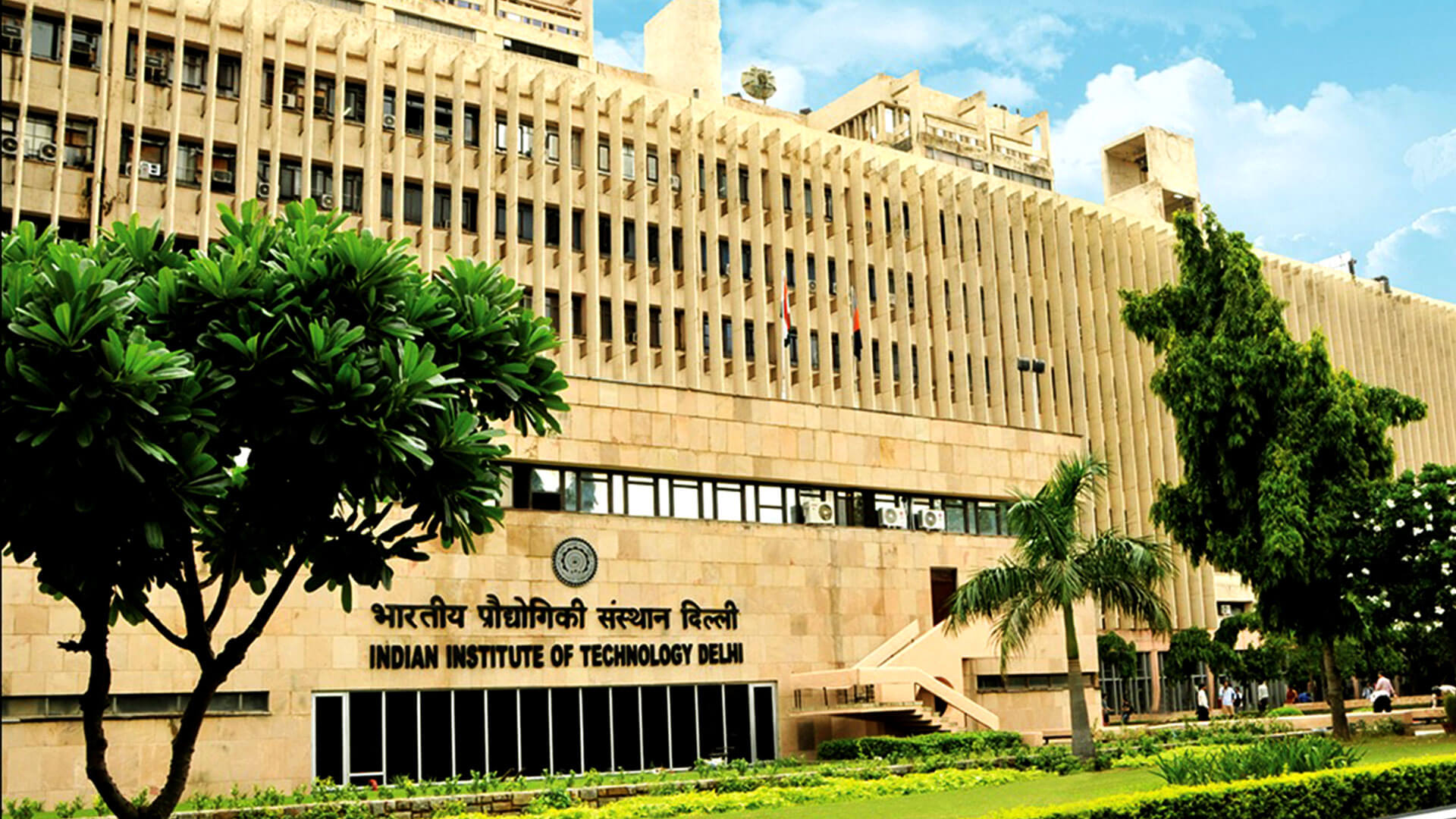
Impact on Teaching and Research
Faculty shortages can have far-reaching consequences for higher education institutions.
With fewer professors available, existing faculty members often shoulder additional responsibilities, including teaching, administrative work, student guidance, and research management. This increased workload may affect both teaching effectiveness and research output.
Research projects, particularly those requiring long-term supervision and interdisciplinary collaboration, may face delays due to insufficient staffing. The shortage can also limit the introduction of new courses and specialized academic programs.
Students may experience challenges related to mentorship, project supervision, and access to faculty expertise, especially in highly specialized fields.
Government and Institutional Efforts
Authorities and IIT administrations have undertaken several measures to address the staffing gap. Recruitment drives have been conducted periodically to attract qualified candidates from India and abroad.
Institutions have also introduced initiatives aimed at encouraging researchers, postdoctoral scholars, and experienced industry professionals to join academia. Efforts are being made to simplify recruitment procedures while maintaining the high standards expected of IIT faculty appointments.
Some IITs have expanded international outreach programs and collaborative partnerships to attract global talent and strengthen academic capacity.
Concerns Over Long-Term Academic Excellence
The faculty vacancy issue comes at a time when India is positioning itself as a global hub for innovation, advanced technology, and research-driven economic growth.
IITs play a critical role in producing skilled engineers, scientists, entrepreneurs, and researchers who contribute to national development. Consequently, ensuring adequate faculty strength is considered essential for maintaining academic excellence and supporting India’s ambitions in science and technology.
Education analysts emphasize that addressing faculty shortages requires a comprehensive strategy involving competitive compensation, improved research infrastructure, streamlined hiring processes, and stronger incentives for academic careers.
Looking Ahead
As India continues to invest heavily in higher education and technological advancement, resolving faculty shortages across the IIT system remains a key priority. Strengthening academic staffing will be vital for sustaining research excellence, improving student outcomes, and preserving the global reputation of the country’s premier engineering institutions.
The current vacancy figures serve as a reminder that while infrastructure expansion and increased student intake are important, the availability of qualified faculty remains the foundation of a world-class educational system.