
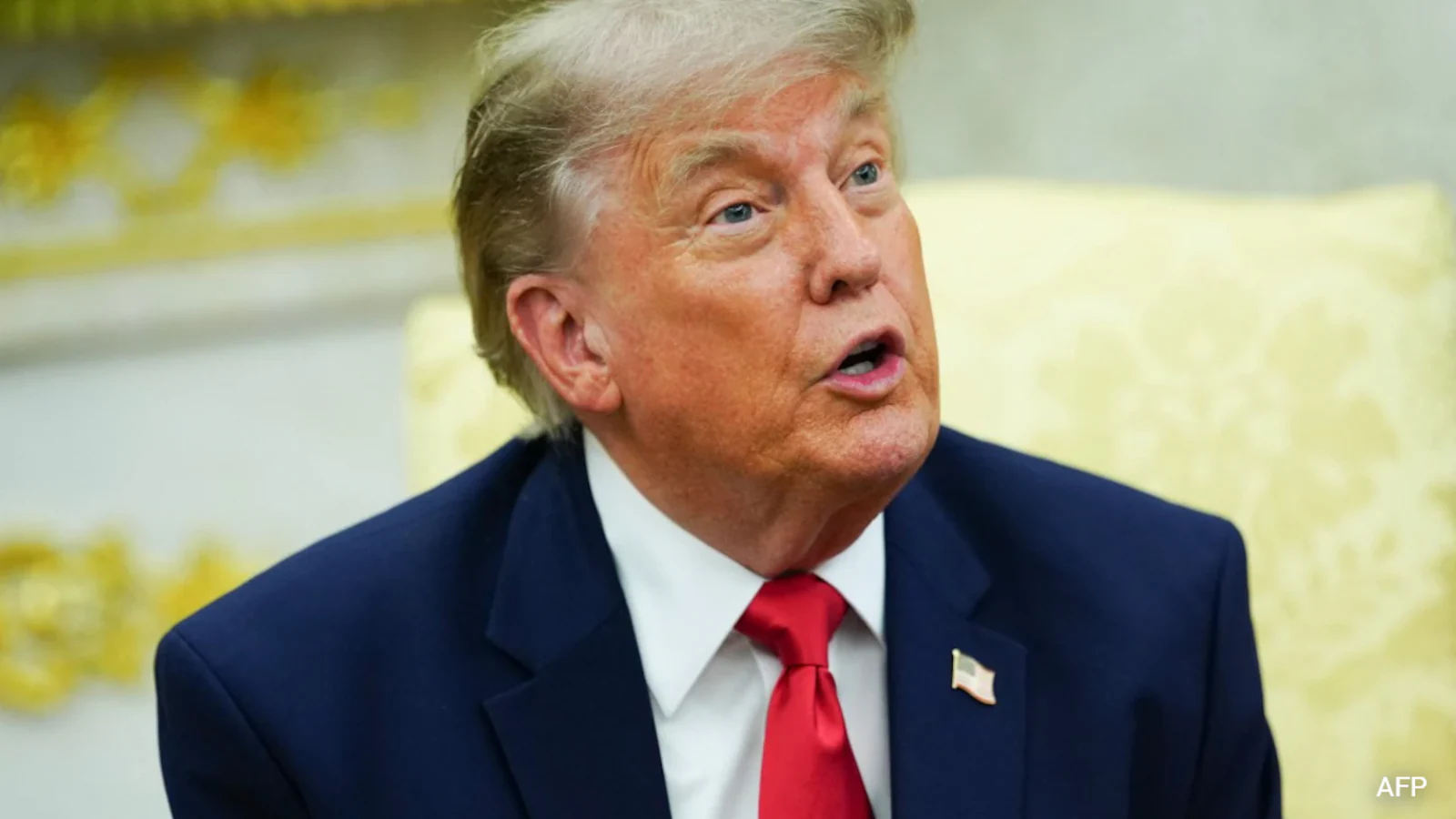
Former United States President Donald Trump has reignited debate over international taxation and trade policy by warning that countries imposing Digital Services Taxes (DSTs) on American technology companies could face tariffs of up to 100 percent on their exports to the United States. The statement has triggered discussions among policymakers, economists, and businesses worldwide, particularly in nations that have adopted or previously implemented such taxes, including India.
The warning comes amid growing international scrutiny of how multinational technology companies are taxed and highlights the continuing tension between national tax policies and global trade interests. Analysts believe that if such tariff measures were pursued, they could significantly affect trade flows, diplomatic relations, and the broader global digital economy.
What Is a Digital Services Tax?
Digital Services Taxes are levies imposed by governments on revenues generated by large digital and technology companies from online services within their jurisdictions. These taxes were introduced by several countries in response to concerns that multinational technology firms were generating substantial revenues from local markets while paying relatively little tax due to international tax structures.
Countries implementing DSTs have argued that traditional tax frameworks have struggled to keep pace with the digital economy, allowing major technology corporations to benefit from markets without contributing proportionately to local tax revenues. As a result, governments sought alternative mechanisms to ensure what they considered fair taxation of digital businesses.
Many of the companies affected by such taxes are headquartered in the United States, making the issue particularly sensitive in trade negotiations between Washington and its international partners.
Trump’s Warning and Its Implications
Trump’s latest remarks indicate a hardline approach toward countries that target American technology firms through digital taxation measures. According to his position, nations imposing Digital Services Taxes could face retaliatory tariffs reaching as high as 100 percent on goods exported to the United States.
The proposal reflects a broader trade philosophy that emphasizes reciprocal treatment and protection of American business interests. Supporters of the approach argue that digital taxes unfairly single out U.S.-based companies, while critics contend that governments have legitimate reasons to modernize tax systems in response to evolving digital business models.
If implemented, such tariffs could affect a wide range of industries beyond the technology sector, potentially impacting manufacturing, agriculture, consumer goods, and other export-oriented businesses in affected countries. 
Could India Be Affected?
India has been among the countries that have explored and implemented taxation mechanisms aimed at digital businesses. The country introduced measures such as the Equalisation Levy, often referred to as a form of digital taxation, to capture revenue generated by foreign digital companies operating in the Indian market.
Over recent years, India has adjusted aspects of its digital tax framework in line with ongoing international negotiations and efforts to establish a globally coordinated tax system. However, Trump’s comments have once again raised questions about whether India could face trade pressure if future U.S. administrations adopt an aggressive stance toward digital taxation policies.
Experts note that India and the United States maintain extensive economic and strategic ties, making any trade dispute particularly significant. Bilateral trade between the two nations spans multiple sectors, including information technology, pharmaceuticals, manufacturing, energy, and services.
While there is no immediate indication of tariff action, policymakers and businesses are likely to monitor developments closely, especially as trade discussions continue between the two countries.
The Global Taxation Debate
The dispute over Digital Services Taxes forms part of a larger international debate about how multinational corporations should be taxed in an increasingly digitalized world. Traditional tax rules were largely designed for businesses with physical operations in the countries where they generated revenue.
Digital platforms, however, can serve customers across borders without maintaining a substantial physical presence. This has created challenges for governments seeking to tax profits generated within their markets.
In response, international organizations and major economies have worked toward developing a coordinated framework that would allocate taxing rights more fairly and reduce the need for unilateral digital taxes. The objective has been to prevent overlapping tax regimes while minimizing the risk of trade conflicts. 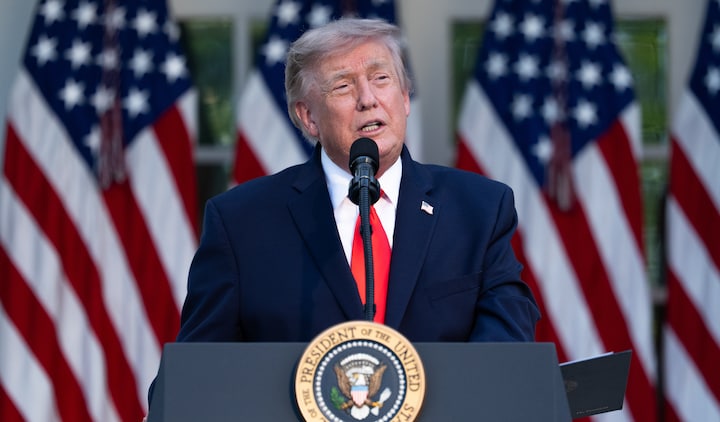
Potential Impact on Global Trade
Trade experts warn that tariff-based responses to digital taxation disputes could create uncertainty in international markets. Businesses operating across borders generally favor predictable regulatory environments, and escalating trade measures could complicate investment decisions and supply chains.
A tariff increase of the scale suggested by Trump would likely trigger responses from affected countries, potentially leading to broader trade tensions. Such developments could have implications not only for technology companies but also for exporters, manufacturers, and consumers worldwide.
For countries dependent on access to the U.S. market, the prospect of punitive tariffs could become a significant economic consideration. At the same time, governments remain under pressure to ensure that large multinational corporations contribute appropriately to national tax revenues.
Strategic Considerations for India
For India, the issue extends beyond taxation. The country is simultaneously pursuing digital economy growth, attracting foreign investment, strengthening its technology ecosystem, and expanding trade relations with major global partners.
Balancing these priorities requires careful policymaking. Any future trade measures linked to digital taxation could influence negotiations on market access, investment frameworks, and broader economic cooperation between India and the United States.
Observers believe that ongoing international efforts to create a common global tax framework may help reduce the likelihood of major trade disputes. However, Trump’s comments demonstrate that digital taxation remains a politically sensitive issue with the potential to influence future trade policy decisions.
Looking Ahead
As debates over digital taxation continue, governments, businesses, and investors will closely watch developments in U.S. trade policy. Trump’s warning has once again brought attention to the complex relationship between taxation, technology regulation, and international commerce.
Whether the threat translates into concrete policy remains uncertain. Nevertheless, the remarks underscore the ongoing challenges facing countries attempting to tax digital economic activity while maintaining stable trade relationships. For India and many other nations, the issue represents a delicate balancing act between safeguarding tax revenues and preserving strong economic ties with one of the world’s largest markets.