
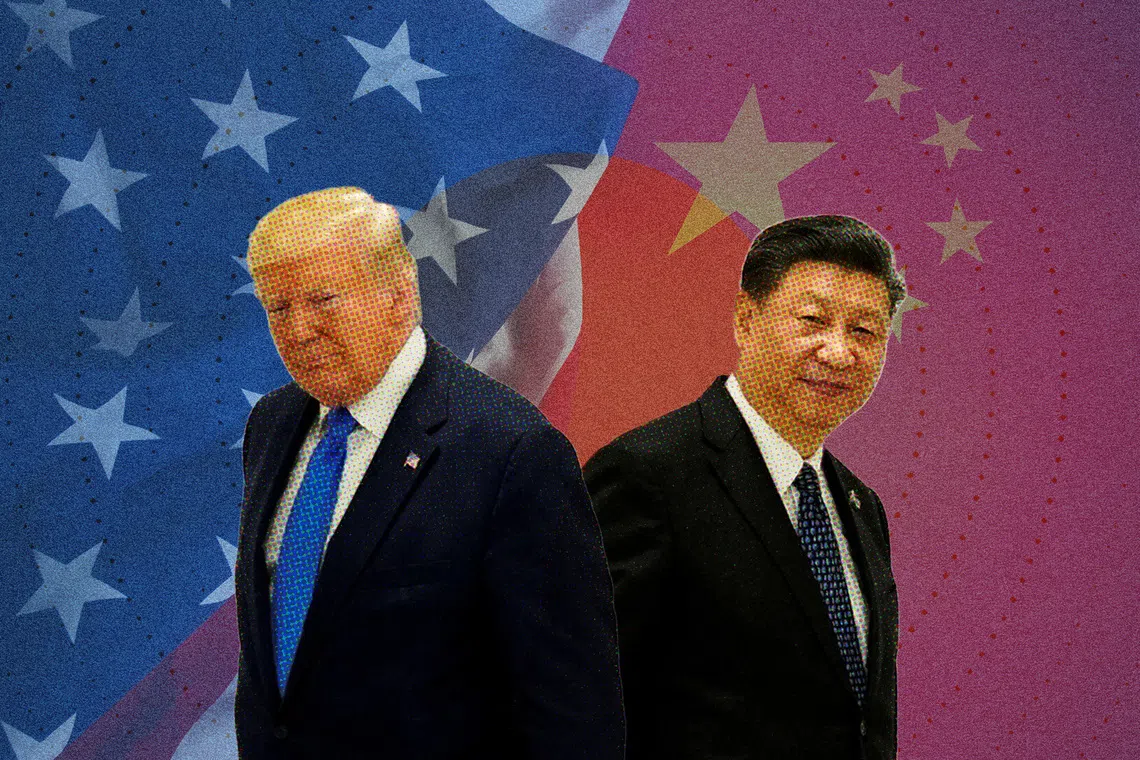
As leaders of the world’s most influential industrialized democracies convene for the latest G7 Summit, a significant question is shaping discussions beyond the official agenda: can global challenges truly be addressed without the participation of China, the world’s second-largest economy and a major geopolitical power?
The summit brings together leaders from the United States, Canada, France, Germany, Italy, Japan, and the United Kingdom at a time when international relations are increasingly defined by economic competition, security concerns, technological rivalry, and geopolitical uncertainty. While the gathering aims to strengthen cooperation among allied nations, the absence of China has sparked debate among policymakers, analysts, and diplomatic observers.
A Summit Taking Place in a Changing Global Landscape
The current G7 meeting comes against a backdrop of multiple international crises. Global leaders are navigating ongoing conflicts, concerns over economic growth, inflationary pressures, supply chain vulnerabilities, energy security challenges, and rapidly evolving technological competition.
The group has traditionally served as a platform for advanced democracies to coordinate responses to global issues. However, the international balance of power has shifted considerably in recent decades. Emerging economies, particularly China, now play a central role in global trade, manufacturing, finance, and technological development.
As a result, discussions regarding economic stability, climate policy, critical mineral supply chains, artificial intelligence governance, and international security increasingly involve questions about China’s role and influence.
China’s Growing Influence Cannot Be Ignored
China’s economic rise has transformed global commerce and diplomacy. It is a leading trading partner for numerous countries, a major manufacturing hub, and a key participant in international infrastructure and development initiatives.
Experts argue that many of today’s most pressing global challenges are deeply connected to China. Climate change mitigation efforts, international trade agreements, technological standards, semiconductor supply chains, and global financial stability all require engagement with Beijing in some form.
This reality has led some observers to question whether meaningful solutions can be achieved through discussions that do not include one of the world’s most influential nations. 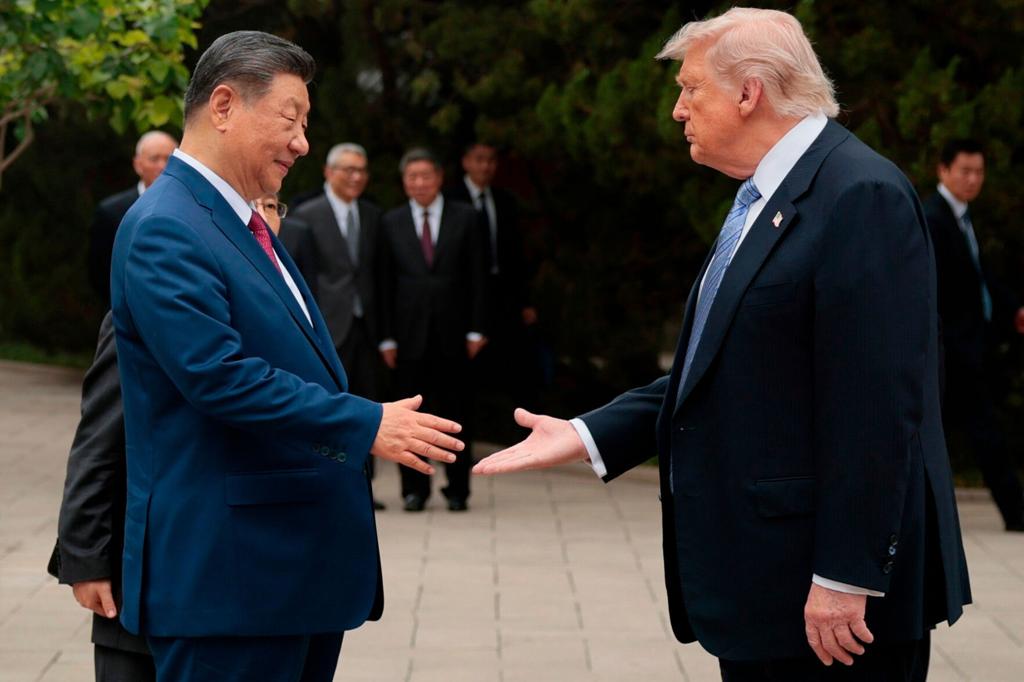
Strategic Competition Shapes G7 Discussions
At the same time, relations between China and several G7 nations have become increasingly complex.
Concerns over trade practices, industrial subsidies, intellectual property protection, military activities in the Indo-Pacific region, cybersecurity issues, and technological competition have contributed to growing tensions. Governments within the G7 have adopted strategies aimed at reducing economic vulnerabilities while maintaining essential commercial ties.
Rather than pursuing complete economic separation, many leaders have emphasized a strategy focused on reducing risks associated with excessive dependence on critical supply chains and strategic sectors.
The summit is expected to reflect this balancing act—maintaining cooperation where possible while addressing areas of competition and security concern.
Divided Opinions Among Policymakers
The question of China’s absence has generated differing views among international experts.
Supporters of the current G7 framework argue that the group was created specifically as an alliance of advanced democracies with shared political values and governance systems. From this perspective, the summit serves as a venue for like-minded nations to coordinate policies and develop common approaches before engaging with broader international partners.
Others contend that excluding major powers from critical conversations may limit the effectiveness of efforts to tackle global issues. They argue that challenges such as climate change, global economic stability, public health preparedness, and technological regulation require participation from all major stakeholders, including China.
According to this view, dialogue remains essential even amid strategic competition.
Economic Cooperation and Security Remain Key Themes
Trade and economic resilience are expected to remain at the center of summit discussions. Leaders are likely to focus on strengthening supply chains, supporting economic growth, enhancing energy security, and addressing emerging technological challenges.
Security concerns are also expected to feature prominently. Ongoing geopolitical tensions and regional conflicts have reinforced calls for closer coordination among allied nations.
At the same time, policymakers recognize that many global economic systems remain interconnected with China, making complete separation impractical. This reality continues to shape discussions about future international cooperation and competition.
The Broader Debate About Global Governance
The debate surrounding China’s absence reflects a larger conversation about the future of global governance.
Institutions and forums established in the latter half of the twentieth century are increasingly adapting to a world in which economic and political influence is more widely distributed. Questions about representation, effectiveness, and inclusiveness are becoming more prominent as emerging powers play larger roles in international affairs.
For many observers, the discussion is not simply about whether China should be present at a particular summit. Rather, it concerns how major powers can cooperate in addressing shared challenges while managing strategic rivalries.
Looking Ahead
As G7 leaders continue their discussions, the summit is expected to produce coordinated positions on economic policy, security cooperation, technological development, and global stability. However, the broader question of how to engage with China will likely remain a defining issue in international diplomacy.
Whether through direct dialogue, multilateral institutions, or future diplomatic initiatives, many experts believe that lasting solutions to global challenges will require some level of engagement between the world’s leading economies.
The outcome of these debates could shape international relations for years to come, influencing how nations balance competition, cooperation, and collective action in an increasingly interconnected world.