
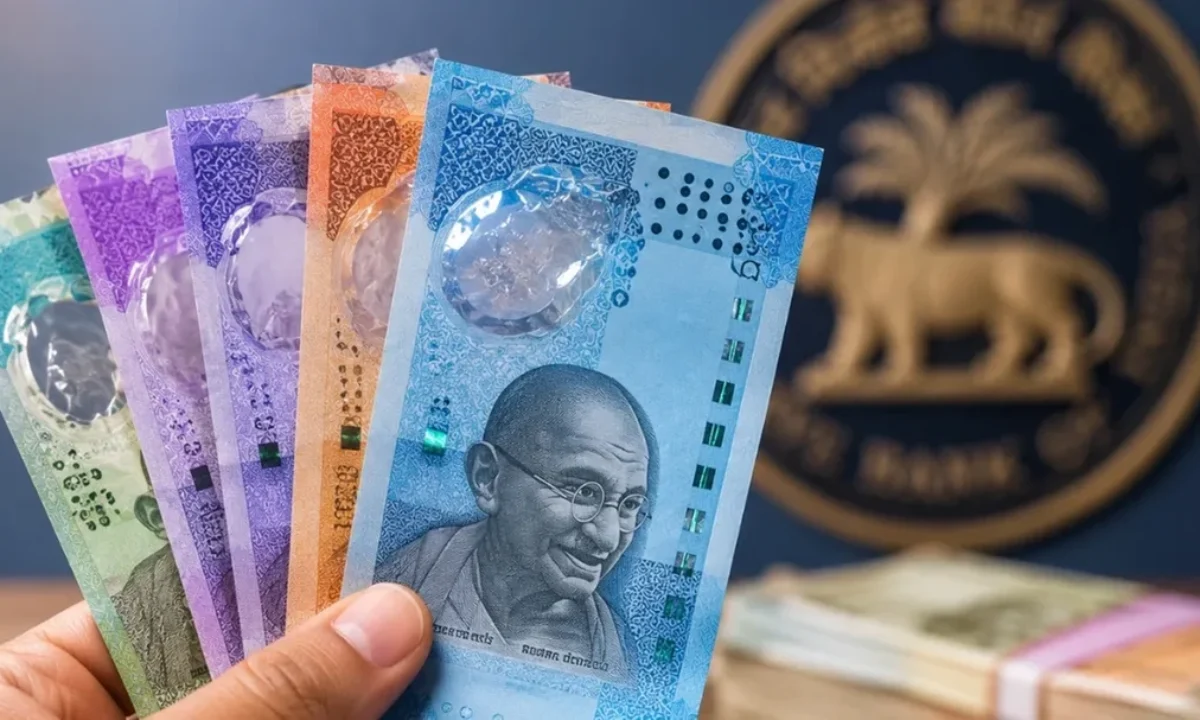
A viral claim circulating across social media platforms has sparked widespread discussion about the future of India’s currency system, with many users alleging that the Reserve Bank of India (RBI) is preparing to replace traditional paper banknotes with plastic currency. However, a detailed fact-check has revealed that the claim is misleading and lacks official confirmation.
The speculation gained momentum after posts and messages suggested that India was on the verge of introducing polymer-based banknotes across all denominations. The viral content claimed that existing paper notes would soon be phased out and replaced by more durable plastic alternatives. As the posts spread rapidly online, concerns and questions emerged among citizens regarding the authenticity of the information and the possible implications for the country’s financial system.
What the Fact Check Found
An examination of official records and publicly available information found no recent announcement from the Reserve Bank of India confirming a nationwide replacement of paper currency with plastic notes. The viral messages were found to exaggerate earlier discussions and pilot-level considerations regarding polymer banknotes.
Authorities have not issued any fresh directive indicating that current paper notes will be withdrawn in favor of plastic currency. Existing banknotes remain legal tender, and there is no official timeline for a large-scale transition to polymer notes.
The fact check highlighted that while discussions about alternative materials for banknote production have occurred in the past, these should not be interpreted as confirmation of an imminent nationwide rollout. 
Understanding Polymer Banknotes
Polymer banknotes are made from a type of plastic substrate rather than traditional cotton-based paper. Several countries, including Australia, Canada, the United Kingdom, and New Zealand, have adopted polymer currency due to its durability and enhanced security features.
Supporters of polymer notes argue that they last significantly longer than paper currency, resist moisture and dirt, and can incorporate advanced anti-counterfeiting technologies. Although their initial production cost may be higher, their extended lifespan often results in lower replacement expenses over time.
Because of these advantages, many central banks worldwide have explored or implemented polymer-based currency systems.
India’s Previous Experiments with Polymer Currency
India has examined the possibility of introducing polymer banknotes on multiple occasions over the years. Various reports and policy discussions have referenced pilot projects and feasibility studies aimed at assessing the benefits of polymer substrates for Indian conditions.
These evaluations were largely focused on improving the longevity of currency notes and reducing the frequency of replacements caused by wear and tear. However, despite these explorations, India has continued to rely primarily on paper-based banknotes.
The fact check noted that references to past studies and proposals may have been misrepresented in the viral claims, creating the false impression that a nationwide transition had already been approved.
No Official Decision Announced
Financial experts emphasize that any significant change to the country’s currency system would require formal announcements from the Reserve Bank of India and other relevant authorities. Such a move would likely involve extensive planning, public communication, logistical preparation, and phased implementation.
At present, no official notification indicates that India has begun replacing all paper currency with polymer notes. Therefore, claims suggesting that the transition has already been approved or is currently underway should be treated with caution.
Importance of Verifying Financial Information
The incident serves as another reminder of the importance of verifying financial and policy-related information before accepting or sharing it online. Viral messages often combine outdated reports, partial information, or unverified claims, leading to confusion among the public.
Experts recommend relying on official statements and verified government communications when assessing claims related to currency, banking regulations, and financial policy. Misinformation in these areas can create unnecessary concern and contribute to public misunderstanding.
Conclusion
The fact check has confirmed that viral claims about the Reserve Bank of India replacing all paper banknotes with plastic currency are not supported by any recent official announcement. While polymer banknotes have been discussed and studied in the past, there is currently no confirmed nationwide plan to replace existing paper currency. For now, India’s paper-based banknotes remain fully valid, and any future changes to the currency system would be communicated through official channels.