
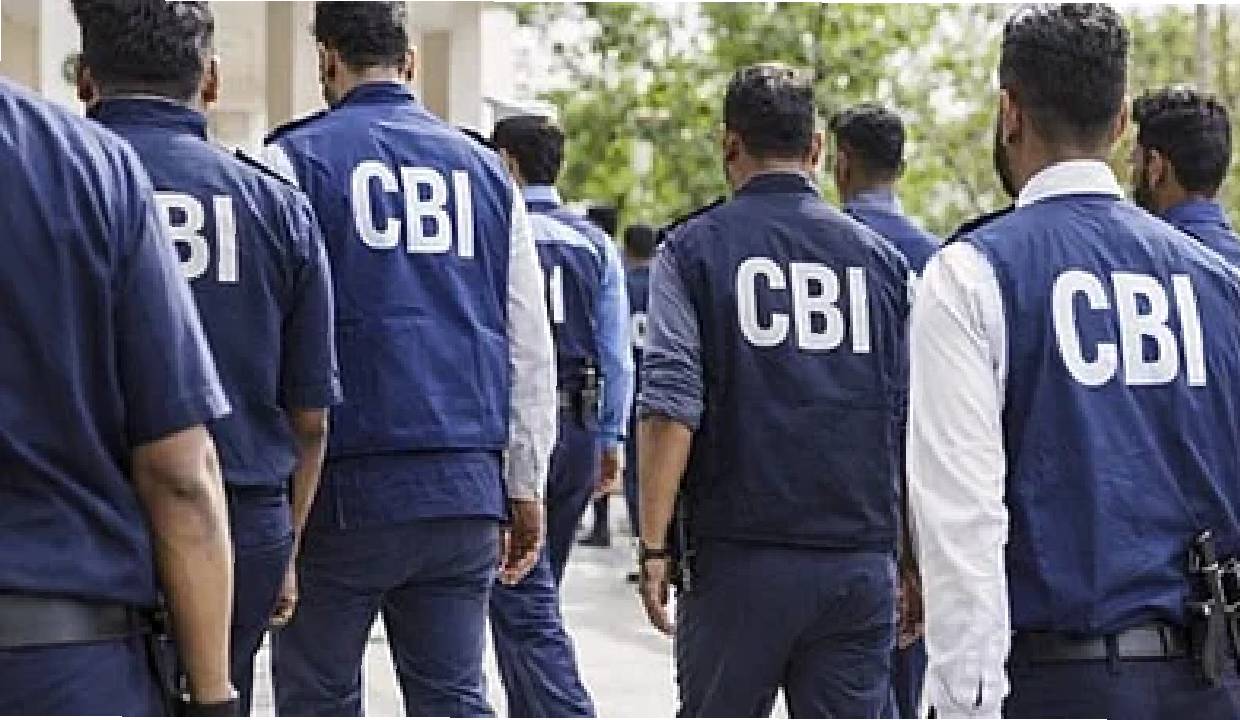
In a significant breakthrough in the ongoing investigation into the alleged NEET-UG paper leak case, the Central Bureau of Investigation (CBI) has arrested a doctor from Maharashtra’s Latur district and a physics teacher from Pune for their suspected involvement in the examination fraud racket. The arrests mark another major development in the widening probe into irregularities linked to one of India’s most competitive medical entrance examinations.
According to investigators, the accused individuals are believed to have played key roles in facilitating the illegal circulation of confidential examination material linked to the National Eligibility cum Entrance Test for Undergraduate courses (NEET-UG). Officials stated that the arrests were made after months of surveillance, interrogation, and the analysis of digital evidence collected during the investigation.
Investigation Reveals Organized Network
Sources connected to the probe indicated that the CBI has been examining the operations of a larger organized network allegedly involved in manipulating examination processes and illegally accessing sensitive examination documents. Investigators suspect that multiple individuals across different states coordinated to obtain and distribute question papers before the exam.
The arrested doctor from Latur is alleged to have acted as an intermediary between candidates and members of the network. Meanwhile, the Pune-based physics teacher is suspected of assisting in solving and circulating examination questions to selected candidates in exchange for substantial sums of money.
Officials familiar with the investigation revealed that digital devices, communication records, and financial transaction details have provided crucial leads regarding the functioning of the racket. Authorities are also probing whether coaching institutes, education consultants, or additional intermediaries may have been involved. 
Financial Transactions Under Scrutiny
Investigators are reportedly examining suspicious financial transactions linked to the accused. Preliminary findings suggest that large amounts of money may have exchanged hands through informal payment channels to conceal the money trail.
The agency is also tracing bank accounts, mobile communications, and encrypted messaging applications allegedly used by members of the network. Officials believe the operation may have extended beyond Maharashtra and involved multiple beneficiaries.
National Concern Over Examination Integrity
The NEET-UG examination, conducted annually for admission to undergraduate medical courses across India, is regarded as one of the country’s most important and highly competitive entrance tests. Allegations of paper leaks and malpractice have triggered nationwide outrage among students, parents, and educational experts.
The latest arrests have intensified concerns regarding the integrity and security of national-level examinations. Educational activists and student organizations have demanded stricter safeguards, stronger digital security systems, and swift prosecution of individuals found guilty of tampering with examination processes. 
Wider Probe Continues
CBI officials confirmed that the investigation remains ongoing and additional arrests may follow as more evidence emerges. The agency is reportedly examining links between various suspects already arrested in connection with the case and identifying potential masterminds behind the alleged conspiracy.
Authorities are also working to determine whether candidates who benefited from the leaked paper were aware of the illegal arrangements. If evidence establishes their involvement, legal action could also be initiated against beneficiaries.
The case has once again highlighted the growing challenge of examination fraud in India’s competitive education system, where high-stakes entrance tests often attract organized criminal networks seeking financial gain.
Calls for Systemic Reforms
Education experts have called for comprehensive reforms to prevent future examination leaks. Suggestions include stronger encryption of question papers, biometric verification systems, AI-based monitoring of suspicious activities, and stricter accountability mechanisms for examination authorities.
Student groups have also urged authorities to ensure transparency in the investigation and maintain public confidence in the examination process. Many aspirants expressed concern that recurring paper leak allegations undermine years of preparation and hard work by genuine candidates.
As the investigation deepens, authorities are expected to continue uncovering the broader extent of the alleged network behind the NEET-UG paper leak controversy.