
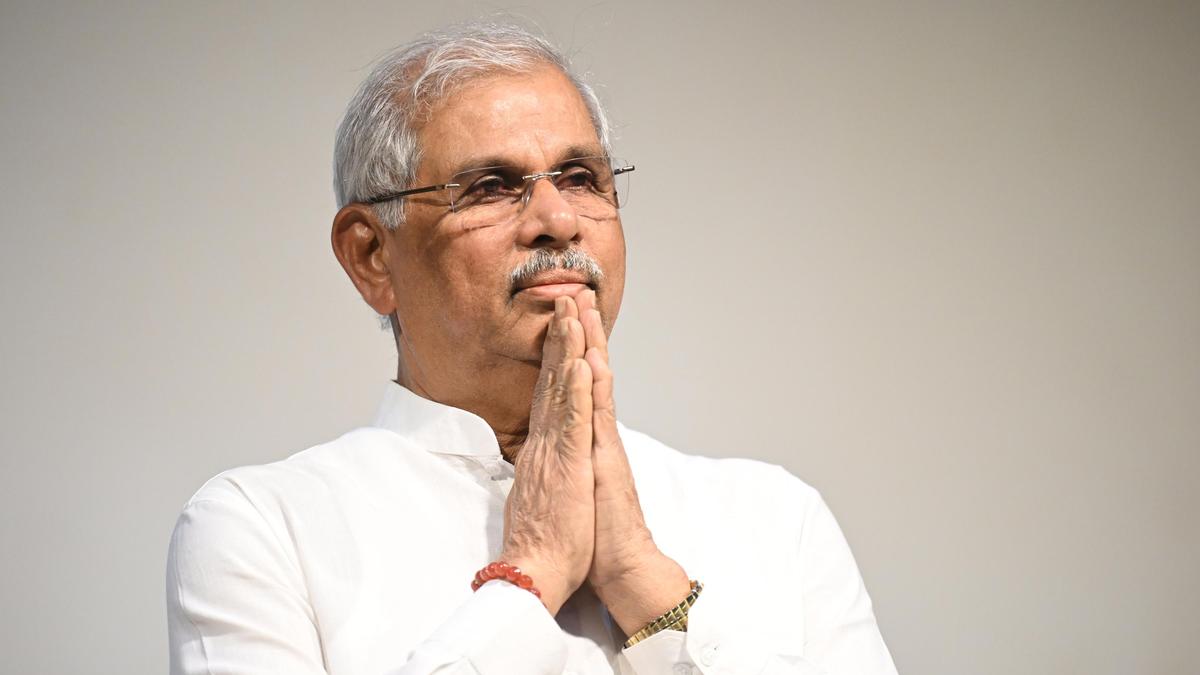
India currently lacks a structured mechanism to groom future political leaders, Governor P. S. Sreedharan Pillai Arlekar said while addressing students and young citizens, urging them to actively participate in public life with awareness, responsibility, and democratic values.
Speaking at a public event focused on youth engagement and leadership development, the Governor highlighted the growing need for informed and socially conscious young individuals to step into governance and politics. He observed that unlike several countries where political training and leadership development are institutionalised, India still does not have a well-defined system to identify, mentor, and prepare future leaders for public service.
Arlekar emphasized that politics and governance should not be viewed negatively by the younger generation. Instead, he said, public life must be seen as a meaningful platform to contribute to nation-building, social reform, and democratic strengthening. According to him, the absence of structured political grooming has created a gap in leadership continuity and public understanding of democratic responsibilities.
The Governor noted that many young people hesitate to enter politics due to misconceptions, lack of guidance, and limited exposure to constitutional values and governance systems. He stressed that awareness and education are essential before stepping into public life, adding that youth participation must be rooted in ethics, accountability, and commitment to society.
Highlighting the importance of democratic engagement, Arlekar encouraged students to understand the Constitution, parliamentary processes, and civic duties. He said informed citizens are the foundation of a strong democracy and that educational institutions should play a larger role in nurturing leadership qualities among students. 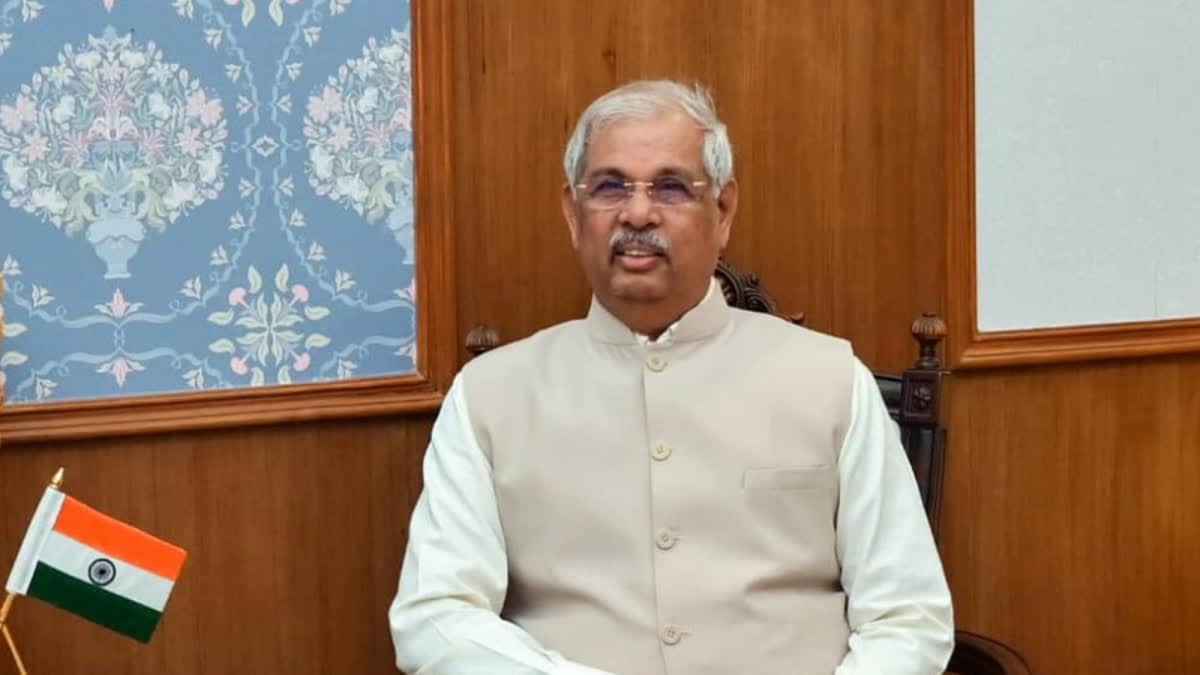
He further stated that leadership should not emerge only during elections or political movements but must be cultivated continuously through social participation, community service, and public discourse. According to the Governor, the country needs leaders who are sensitive to social issues, capable of constructive dialogue, and prepared to work for long-term national development.
Arlekar also underscored the importance of character, discipline, and integrity in political life. He remarked that public trust in democratic institutions can be strengthened only when leaders demonstrate transparency and dedication toward public welfare. He called upon educational and social organizations to create opportunities for youth engagement in civic and policy discussions.
During his address, the Governor pointed out that India possesses a vast young population with immense potential, but the nation must invest in leadership development to ensure that capable individuals emerge from diverse social and regional backgrounds. He said empowering youth with political awareness and democratic understanding would ultimately strengthen governance and public institutions.
The remarks come at a time when discussions around political reforms, youth representation, and democratic participation are gaining momentum across the country. Experts and public figures have increasingly emphasized the need for encouraging younger voices in policymaking and governance processes.
Arlekar’s comments have sparked wider conversations about whether India should introduce more structured leadership training programs, civic education initiatives, and institutional platforms aimed at preparing future political leaders. Observers believe such measures could improve political participation, policy understanding, and democratic accountability in the long run.
The Governor concluded his address by urging young citizens to engage with society responsibly, remain informed about national issues, and contribute positively to democratic life. He reiterated that meaningful change can only happen when aware and committed individuals take part in public service with sincerity and vision.