

Pakistan Prime Minister Shehbaz Sharif held high-level discussions with Chinese President Xi Jinping in Beijing as both nations reaffirmed their long-standing strategic partnership and pledged to accelerate cooperation under the China-Pakistan Economic Corridor (CPEC). The meeting marked another significant step in strengthening diplomatic, economic, and regional ties between the two neighboring allies amid shifting geopolitical dynamics in South Asia and growing global economic uncertainty.
The discussions focused on expanding bilateral cooperation in infrastructure development, energy, trade, industrial growth, security coordination, and regional connectivity. Both leaders emphasized the importance of enhancing economic integration while ensuring the continued progress of CPEC projects that have become central to Pakistan’s development agenda and China’s Belt and Road Initiative.
Focus on Revitalizing CPEC Projects
A major highlight of the talks was the renewed commitment to advancing CPEC, the multibillion-dollar infrastructure and connectivity initiative linking Pakistan with western China through highways, ports, energy facilities, and industrial zones. The corridor has remained a cornerstone of bilateral relations since its launch and is viewed by both governments as a transformative economic framework.
Prime Minister Shehbaz Sharif reportedly expressed Pakistan’s commitment to ensuring timely completion of ongoing projects while inviting greater Chinese investment in sectors including agriculture, information technology, mining, renewable energy, and manufacturing. The Pakistani leadership also underlined the need for expanding industrial cooperation through special economic zones designed to attract foreign investment and boost employment opportunities.
Chinese officials, meanwhile, reiterated support for Pakistan’s economic stability and development priorities. Beijing emphasized its willingness to continue assisting Pakistan in infrastructure modernization and long-term economic planning. 
Strengthening Economic and Trade Cooperation
Economic recovery and investment cooperation formed a central part of the bilateral agenda. Pakistan has been seeking stronger foreign investment partnerships to stabilize its economy, improve industrial productivity, and address fiscal challenges. China remains Pakistan’s largest strategic economic partner and a major source of investment and financial support.
During the discussions, both sides explored opportunities to increase bilateral trade volumes and improve market access. The leaders also reviewed progress in transportation infrastructure, energy generation projects, and digital connectivity initiatives aimed at modernizing Pakistan’s economic framework.
Analysts believe the renewed diplomatic engagement signals Beijing’s continued strategic interest in Pakistan as a key regional partner connecting South Asia, Central Asia, and the Middle East.
Regional Security and Strategic Coordination
Security cooperation also featured prominently in the talks. The two nations discussed regional peace, counterterrorism coordination, and the importance of maintaining stability in neighboring regions. Chinese authorities have consistently emphasized the need for strong security arrangements around CPEC-related projects and Chinese personnel working in Pakistan.
Pakistan reaffirmed its commitment to safeguarding Chinese workers and investments while stressing the importance of collaborative security mechanisms between the two countries.
The leaders also exchanged views on broader international developments and reiterated support for multilateral cooperation and peaceful regional engagement. Both governments highlighted the need for dialogue-based approaches to geopolitical challenges affecting Asia. 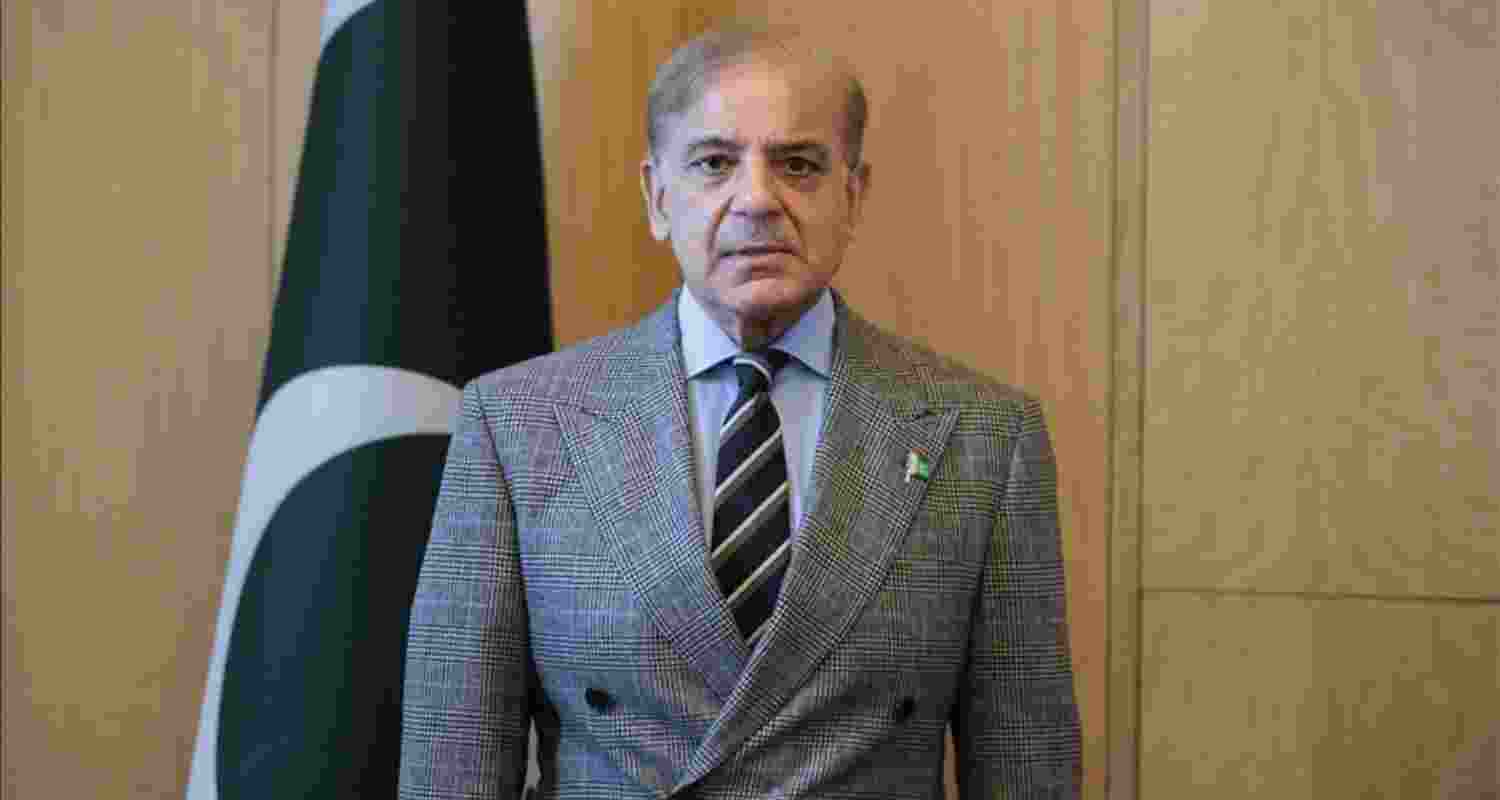
Longstanding Diplomatic Partnership
Pakistan and China have maintained close diplomatic and strategic relations for decades, often describing their partnership as an “all-weather strategic cooperative relationship.” Over the years, the relationship has expanded beyond defense cooperation to include infrastructure, technology, education, energy, and trade partnerships.
Political observers note that the latest meeting reflects continuity in bilateral engagement despite global economic pressures and regional tensions. China’s continued backing is seen as vital for Pakistan’s economic planning, while Pakistan remains strategically important for China’s regional connectivity ambitions.
The visit also reinforces ongoing diplomatic coordination between the two countries at international forums and regional organizations, where they frequently support each other on strategic and economic issues.
Future Outlook for Pakistan-China Relations
The meeting between Shehbaz Sharif and Xi Jinping is expected to pave the way for further agreements and expanded cooperation in the coming months. Officials from both countries signaled optimism about accelerating pending infrastructure projects and broadening collaboration into emerging sectors such as green energy, technology innovation, and digital commerce.
As global geopolitical competition intensifies and regional alliances continue to evolve, the Pakistan-China partnership is likely to remain a major strategic factor influencing economic and political developments across South Asia and beyond.
Both nations concluded the discussions by reaffirming their commitment to deepening mutual trust, enhancing regional connectivity, and promoting long-term economic cooperation aimed at ensuring shared prosperity and stability.