

Mount Everest recorded one of the most remarkable days in its mountaineering history as 274 climbers successfully reached the summit of the world’s tallest mountain within a span of 24 hours. Among the successful climbers were three Indians, contributing to a historic achievement that highlighted both the growing popularity of high-altitude expeditions and the increasing efficiency of modern climbing logistics.
The unprecedented number of successful ascents marked a new benchmark for Everest expeditions, reflecting favorable weather conditions, coordinated support from expedition operators, and improvements in route management on the mountain. Authorities and expedition organizers described the achievement as one of the busiest and most successful summit windows in recent years.
Massive Climbing Push During Narrow Weather Window
The summit attempts took place during a short but stable weather window, a critical period when climbers move rapidly toward the peak to avoid dangerous winds and extreme conditions. Teams from various countries launched coordinated summit pushes from higher camps after meteorologists predicted suitable climbing conditions.
The successful ascents included professional mountaineers, experienced adventure climbers, and guided expedition members who had spent weeks acclimatizing in the Himalayas. Climbers began their final ascent during the night, navigating steep ice walls, narrow ridges, and freezing temperatures before reaching the summit at 8,849 meters above sea level.
Officials overseeing mountaineering operations noted that careful planning and improved coordination among expedition teams helped reduce congestion on critical sections of the climbing route. This contributed significantly to the high success rate recorded during the day. 
Three Indian Climbers Among Successful Summit Team
Three Indian mountaineers were among those who successfully completed the ascent, adding to India’s growing presence in international mountaineering. Their achievement drew praise from fellow climbers and expedition organizers, particularly given the demanding physical and mental challenges associated with scaling Everest.
Indian climbers have increasingly participated in Himalayan expeditions over the past decade, with many athletes, adventure enthusiasts, and trained mountaineers taking on high-altitude challenges across Nepal and Tibet. The successful summit by the Indian team reflects the country’s expanding footprint in global adventure sports and endurance climbing.
Everest Season Sees Growing International Participation
The current Everest climbing season has witnessed strong international participation, with climbers from dozens of countries arriving in Nepal for summit attempts. Tourism and expedition officials reported a significant rise in permit applications this year, driven by renewed interest in adventure tourism and post-pandemic travel recovery.
Mount Everest remains one of the most sought-after achievements in global mountaineering despite the enormous risks involved. Climbers face severe weather changes, altitude sickness, oxygen shortages, and physically exhausting terrain during the expedition.
The Nepalese government continues to generate substantial tourism revenue from Everest expeditions, with climbing permits, guide services, transport, and logistics supporting the local economy and mountain communities. 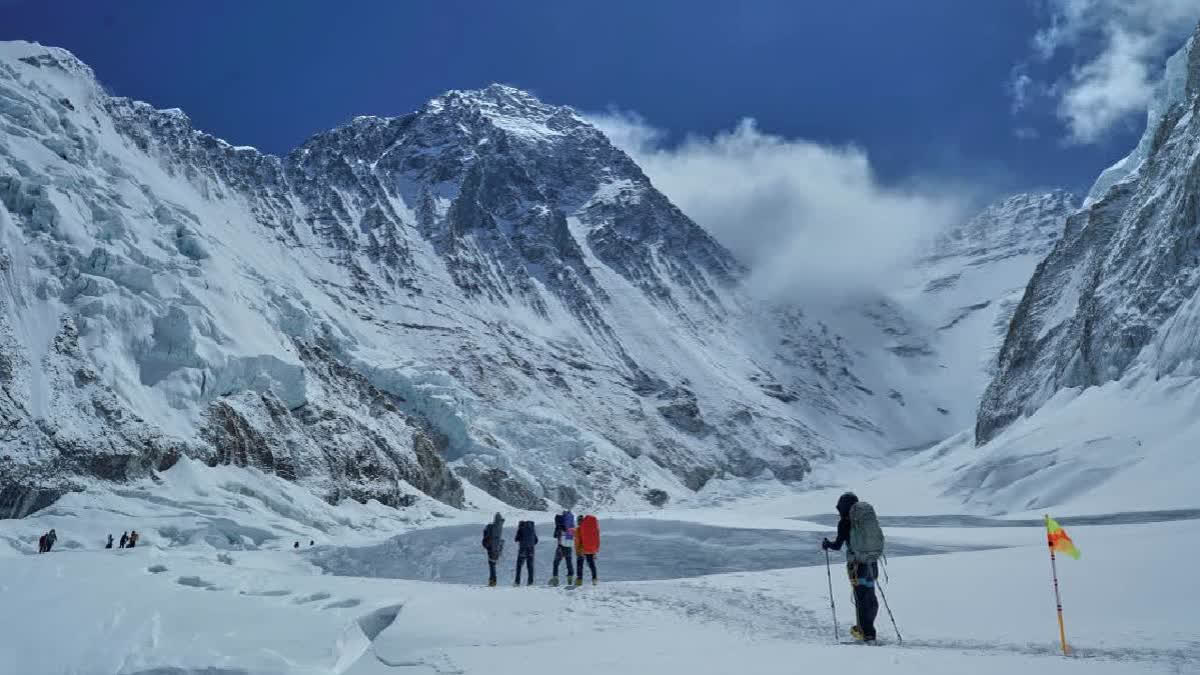
Safety Measures and Route Coordination Improve Success Rate
Expedition operators credited the record-breaking summit day to better route fixing, efficient communication between teams, and improved management of climbing schedules. Sherpa guides and support staff played a crucial role in ensuring climbers moved safely through dangerous sections of the mountain.
High-altitude workers, particularly experienced Sherpas, were instrumental in fixing ropes, carrying oxygen cylinders, and assisting climbers during the ascent. Their efforts helped minimize delays and maintain movement on the route during the crowded summit window.
Experts also noted that advancements in weather forecasting technology have improved expedition planning, allowing climbers to make safer decisions regarding summit attempts.
Concerns Over Crowding Continue
Despite the successful summit day, the increasing number of climbers attempting Everest each season has reignited concerns about overcrowding on the mountain. Mountaineering experts have repeatedly warned that excessive traffic near the summit can create dangerous bottlenecks, increasing exposure to extreme conditions and raising safety risks.
Environmental concerns also remain a major issue, with authorities continuing efforts to manage waste and preserve the fragile Himalayan ecosystem. Nepal has introduced several measures in recent years aimed at improving climber safety and reducing environmental damage caused by growing tourism activity.
Nevertheless, the record number of successful ascents reflects Everest’s enduring global appeal and the determination of climbers seeking to conquer the planet’s highest peak.
As the climbing season continues, expedition teams and tourism authorities are expected to closely monitor weather conditions and summit traffic to ensure the safety of remaining climbers attempting the historic ascent.