
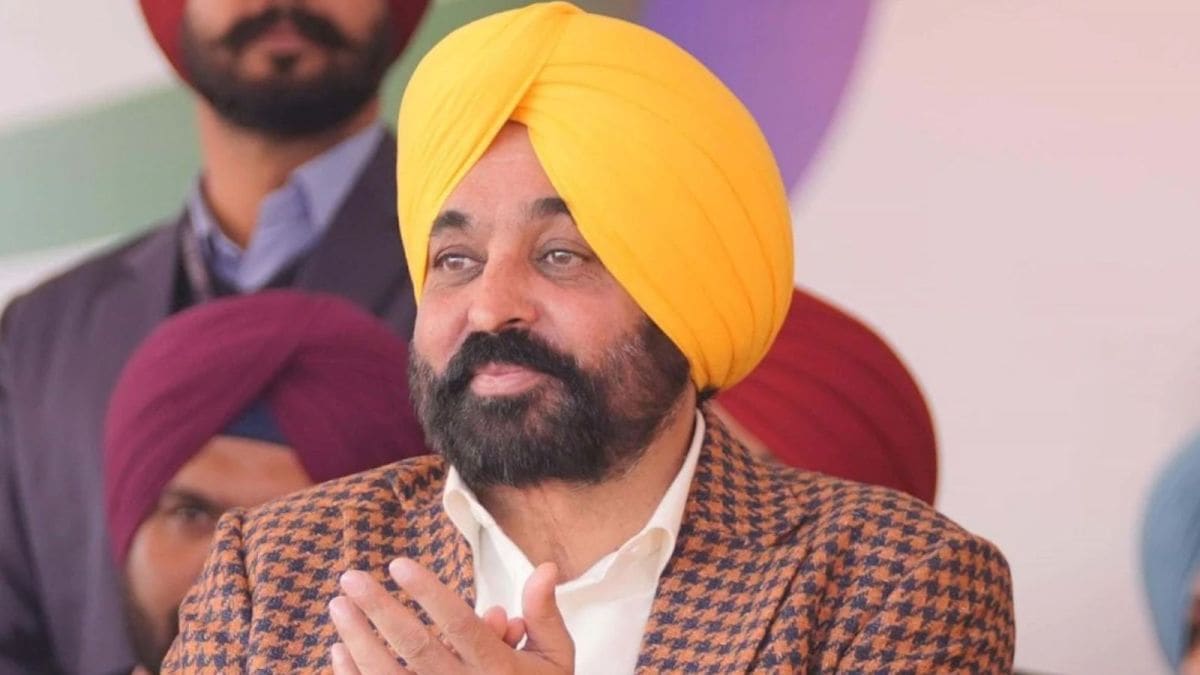
A large-scale drug survey being conducted across Punjab has become the center of political and administrative debate after reports emerged that the questionnaire includes sections seeking public feedback on the performance of welfare schemes introduced by the state government led by Chief Minister Bhagwant Mann.
The survey, aimed at understanding the extent of substance abuse and addiction patterns across the state, was designed as part of the Punjab government’s broader effort to address the persistent drug crisis that has affected thousands of families over the years. However, the inclusion of questions linked to governance and public welfare initiatives has now triggered criticism from opposition parties and raised concerns over the purpose and neutrality of the exercise.
According to officials familiar with the process, survey teams visiting households are collecting data related not only to drug consumption, rehabilitation needs, and awareness levels, but also public responses regarding certain flagship schemes and administrative performance indicators associated with the current government.
The development has led to accusations from opposition leaders who argue that a public health-oriented survey should remain focused solely on issues concerning addiction, rehabilitation, law enforcement, and social welfare. Critics claim that inserting political or governance-related questions into such an exercise risks undermining the credibility of the data collection process.
Government representatives, however, have defended the questionnaire structure, stating that social conditions, public welfare access, employment opportunities, and government outreach programs are interconnected with the broader issue of drug abuse. Officials argue that understanding citizens’ experiences with welfare delivery can help policymakers identify factors contributing to addiction and social distress.
Punjab has long struggled with substance abuse challenges, particularly among youth in several districts. Successive governments in the state have promised strict action against narcotics networks, improved rehabilitation facilities, and stronger awareness campaigns. The current administration has repeatedly emphasized its commitment to tackling the issue through enforcement drives, community engagement, and healthcare-based interventions. 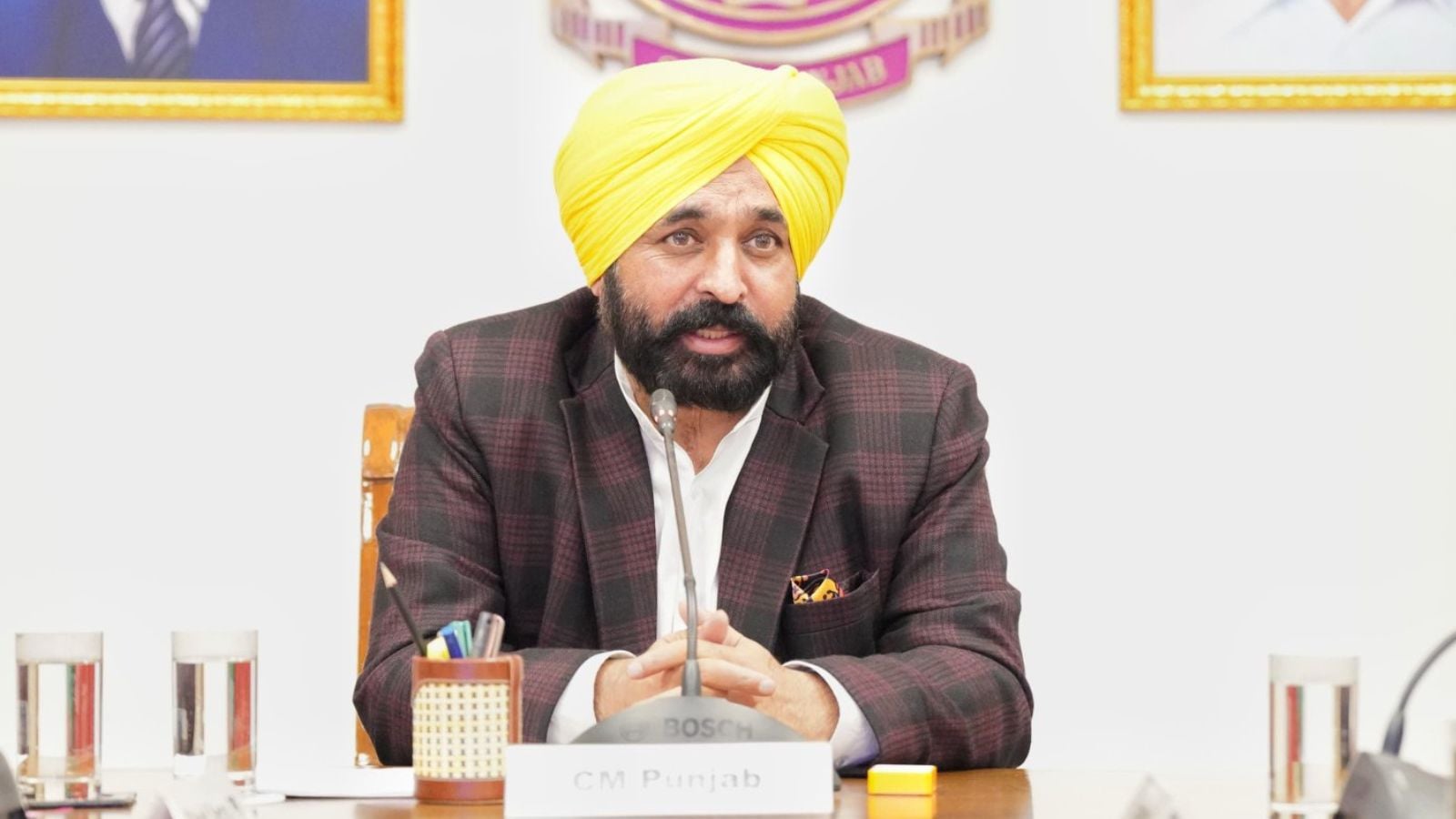
The ongoing survey is reportedly one of the most extensive attempts in recent years to gather ground-level information on drug dependency patterns, treatment accessibility, and the socio-economic conditions influencing addiction. Field workers and survey teams have been tasked with reaching households in both urban and rural regions to create a comprehensive database for future policy planning.
Political observers note that the controversy comes at a sensitive time when public perception regarding governance, employment, and law-and-order issues continues to shape the political atmosphere in Punjab. The debate surrounding the survey may further intensify discussions about the balance between welfare assessment and administrative neutrality in government-led research exercises.
Experts in public policy and social health have pointed out that surveys addressing addiction often examine multiple socio-economic indicators, including income levels, education, unemployment, mental health, and access to state support systems. However, they also stress that transparency regarding the purpose and use of collected data remains essential to maintaining public trust.
Meanwhile, opposition parties are expected to seek further clarification regarding the methodology and objectives of the survey. Some leaders have demanded that the government publicly release the questionnaire format and explain why questions related to administrative schemes were considered necessary within an anti-drug assessment exercise.
Despite the controversy, officials associated with the initiative maintain that the survey’s primary objective remains the identification of drug abuse patterns and the development of targeted intervention strategies. The findings are expected to play a significant role in shaping future anti-drug policies, rehabilitation programs, and awareness campaigns across Punjab.
As the survey continues across districts, the discussion surrounding its design has highlighted the larger political and social complexities tied to Punjab’s ongoing battle against narcotics and addiction.