
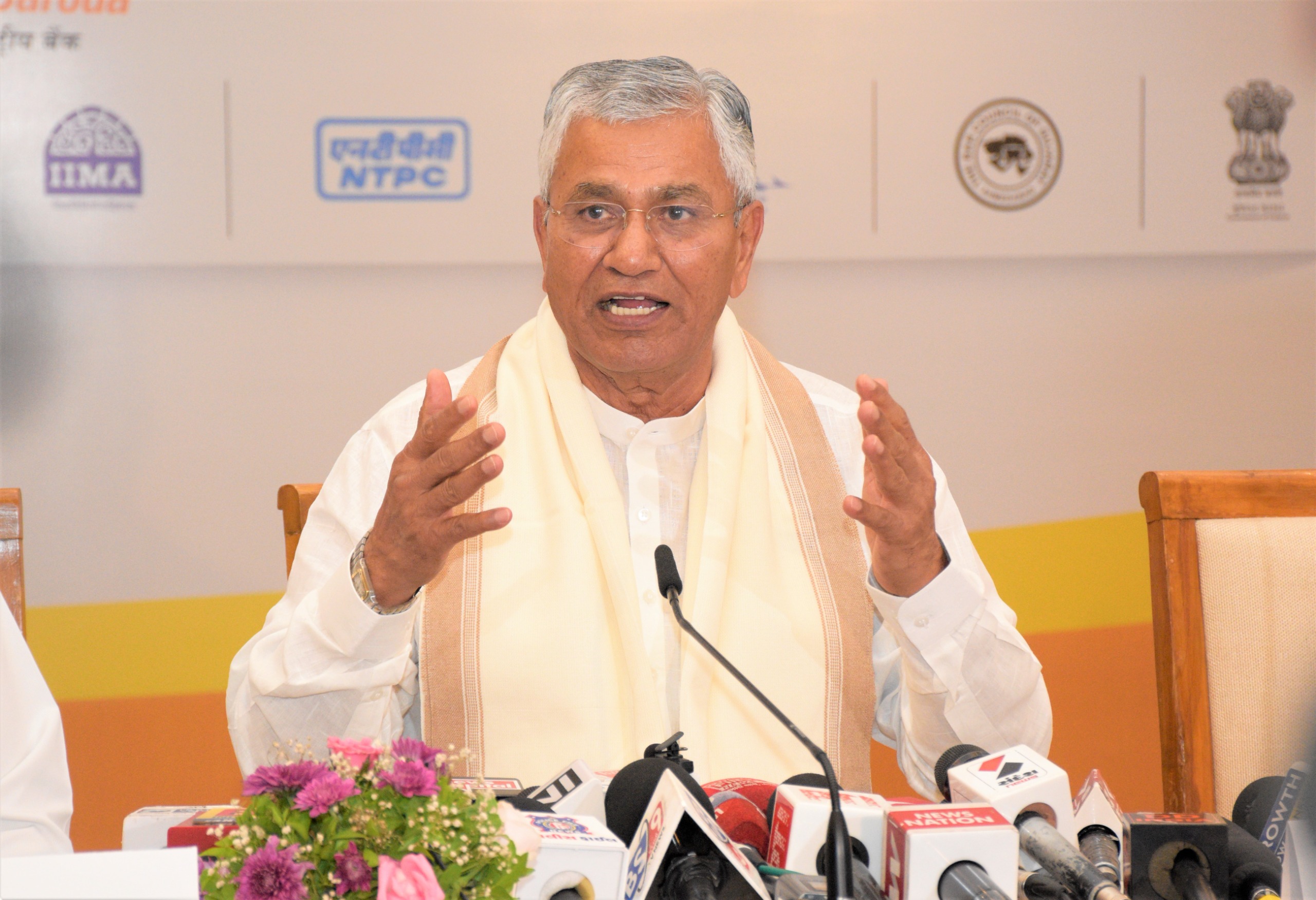
India could unlock massive fiscal savings amounting to nearly ₹7 lakh crore if elections to the Lok Sabha and state assemblies are held simultaneously, according to the chairperson of a Joint Parliamentary Committee (JPC) examining the proposal for simultaneous elections.
The assertion has reignited national debate over the feasibility, benefits, and constitutional implications of conducting “One Nation, One Election,” a reform long advocated by policymakers aiming to streamline the country’s electoral cycle.
Major Economic Argument for Electoral Synchronisation
Speaking on the issue, the JPC chief highlighted that frequent elections across states place a significant financial burden on both the public exchequer and the administrative machinery. According to the committee’s assessment, synchronising elections could significantly reduce recurring expenditures incurred by the Election Commission, security forces, and state administrations.
The projected savings of ₹7 lakh crore are based on long-term cost consolidation over multiple election cycles, including reduced spending on logistics, manpower deployment, security arrangements, and election-related governance disruptions.
Officials associated with the committee have indicated that the economic argument is one of the strongest pillars supporting the push for simultaneous elections, alongside administrative efficiency and policy continuity.
Reducing Policy Paralysis and Administrative Disruption
Beyond financial savings, proponents argue that staggered elections frequently lead to policy paralysis, as governments at both the Centre and state levels often shift focus toward electoral considerations.
The JPC chief noted that repeated imposition of the Model Code of Conduct during elections hampers developmental work and slows decision-making processes. With elections occurring in different states at different times, governance cycles are repeatedly interrupted, affecting long-term planning and execution of welfare schemes and infrastructure projects.
Simultaneous elections, it is argued, would allow governments to focus more consistently on governance for a fixed term without intermittent electoral disruptions. 
Logistical Efficiency and Institutional Burden
India’s electoral process is one of the largest democratic exercises in the world, involving hundreds of millions of voters and extensive logistical coordination. Conducting elections in multiple phases throughout the year places continuous pressure on election machinery, law enforcement agencies, and public resources.
The JPC chief emphasized that synchronised elections would ease this burden by consolidating efforts into a single, large-scale exercise rather than repeated deployments across different months and states.
This, supporters claim, would also improve resource allocation efficiency, reduce voter fatigue, and enhance administrative coordination across institutions.
Debate Over Constitutional and Federal Concerns
Despite the projected economic and administrative benefits, the proposal continues to face scrutiny from various stakeholders. Critics argue that simultaneous elections could undermine India’s federal structure by limiting the flexibility of state governments and altering the dynamics of regional political accountability.
Concerns have also been raised regarding the constitutional amendments required to implement such a system, as well as the logistical challenges of aligning electoral terms across all states.
Opponents further caution that synchronisation may not fully account for situations such as premature dissolution of assemblies, political instability, or coalition breakdowns, which could complicate the uniform election cycle.
Next Steps in Policy Deliberation
The JPC examining the issue is expected to continue consultations with constitutional experts, political representatives, and election authorities before finalising its recommendations. The committee’s findings will play a crucial role in shaping the government’s next steps on the proposal.
While consensus remains elusive, the idea of simultaneous elections continues to gain traction as a potential reform aimed at reducing costs and improving governance efficiency in the world’s largest democracy.