
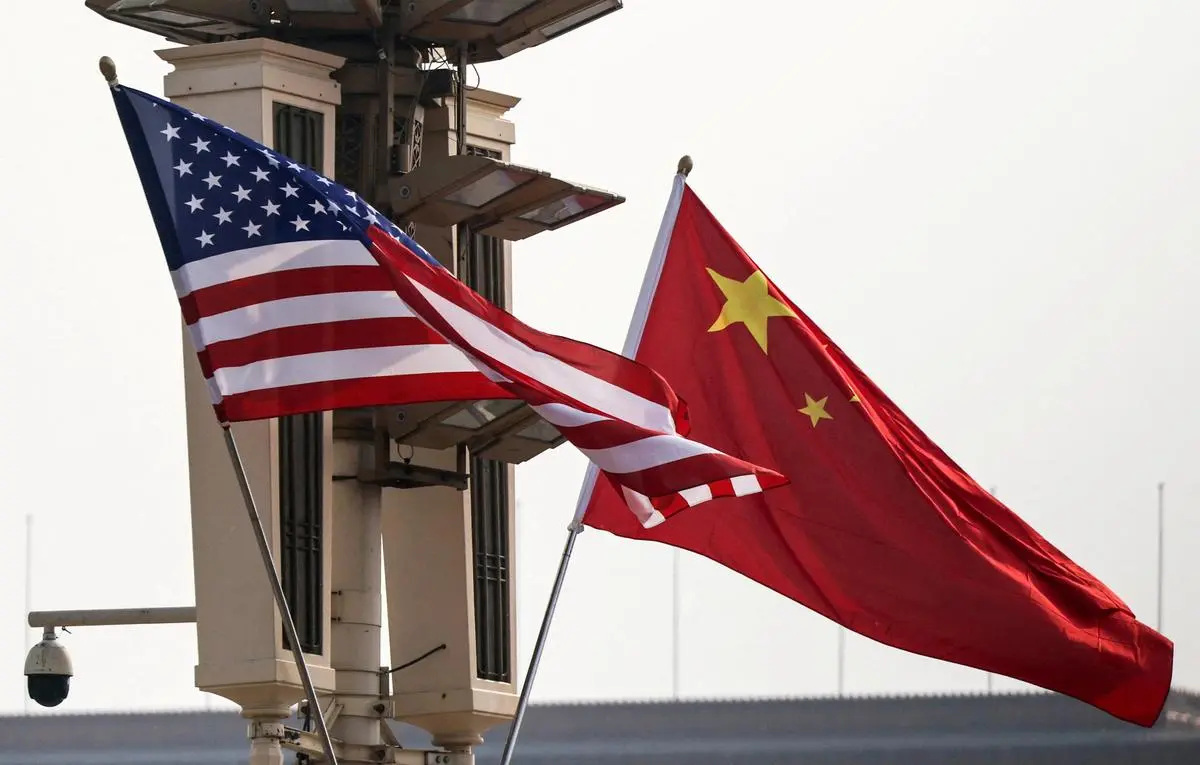
China has agreed to expand its imports of American agricultural goods, including beef, poultry, and other farm products, following recent high-level discussions between the two countries aimed at improving strained trade relations. The development marks a significant step toward easing economic tensions between the world’s two largest economies.
The understanding comes after renewed diplomatic engagement focused on stabilising trade flows that have been disrupted in recent years due to tariff disputes, retaliatory measures, and broader geopolitical friction. While full details of the arrangement have not yet been disclosed, officials on both sides have indicated a shared interest in strengthening agricultural trade ties.
Agriculture Emerging as a Key Area of Cooperation
Agricultural exports have long been a central component of trade between the two nations, though they have also been affected by recurring disputes. American farmers, particularly in the beef and poultry sectors, have experienced volatility in export demand due to shifting trade policies and import restrictions.
Under the latest agreement, China is expected to increase purchases of selected US farm products. This development could provide a boost to American agricultural producers who depend heavily on international markets for sales and revenue stability.
Industry observers believe that expanded Chinese demand may help support US farm incomes, reduce surplus pressure in domestic markets, and improve long-term price stability across key agricultural commodities. 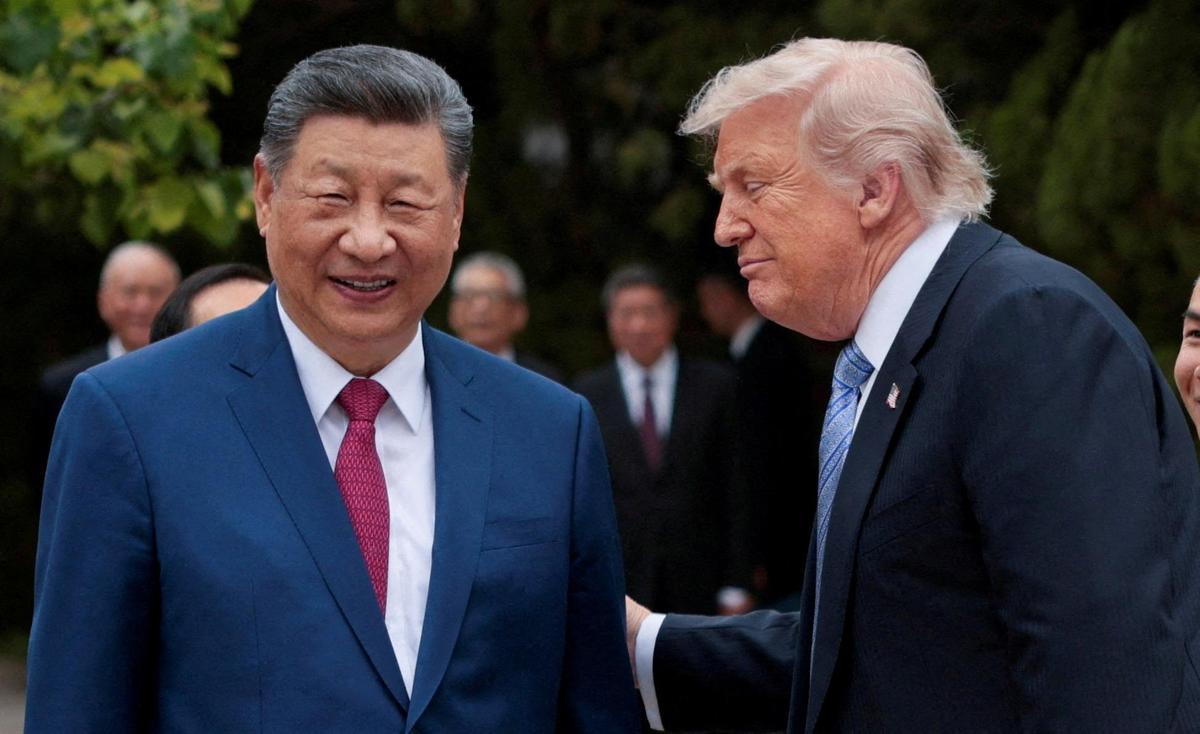
Diplomatic Efforts to Stabilise Trade Relations
The progress follows high-level discussions between leadership representatives from both countries, where economic cooperation and trade normalisation were key topics. The talks reportedly focused on reducing tensions in sensitive trade areas while encouraging mutual economic benefits.
Agricultural trade has emerged as one of the more flexible areas of negotiation, given its relatively lower strategic sensitivity compared to sectors such as technology or defence. As a result, it is often used as a foundation for broader economic dialogue.
Market Impact and Industry Reaction
Global commodity markets are closely monitoring the development, as China is one of the largest importers of agricultural products worldwide. Any increase in demand from the country typically influences international prices for beef, poultry, soybeans, and related commodities.
US exporters are expected to benefit from improved access and higher demand, although industry participants remain cautious about how quickly the agreement will be implemented and whether purchasing commitments will be consistently met.
In China, expanding agricultural imports is also seen as a way to diversify food supply sources and support domestic consumption needs, particularly for protein-rich products. 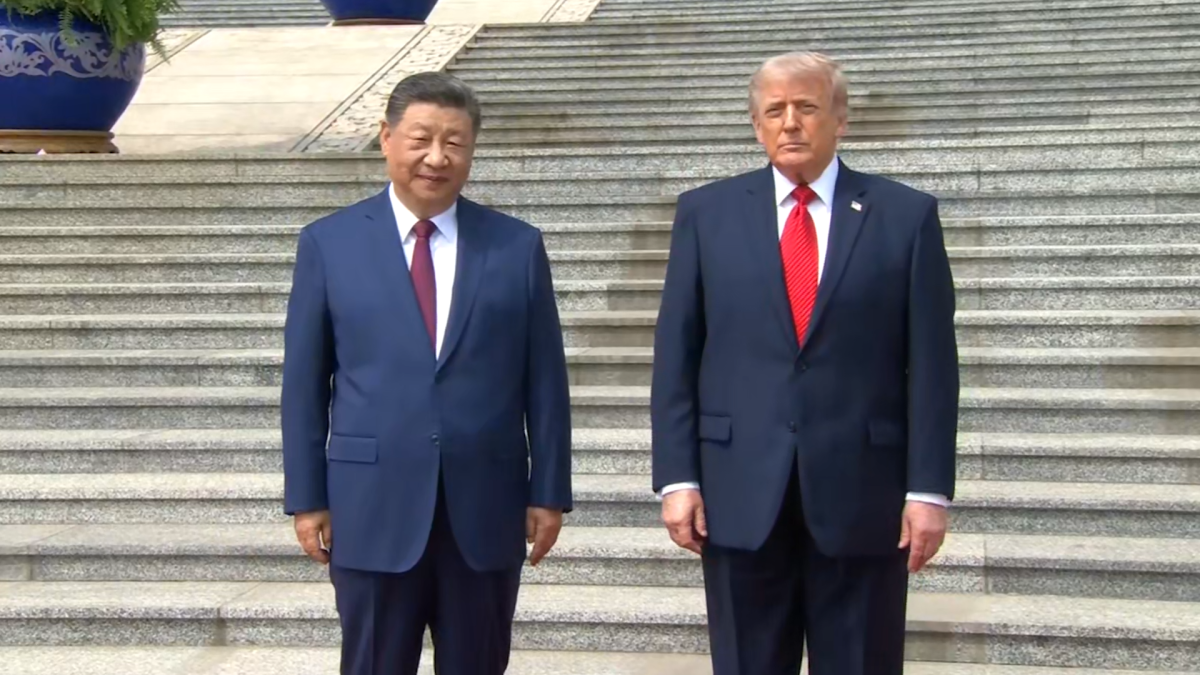
Broader Economic Context
The agreement is part of wider efforts to stabilise economic relations between the two global powers. Despite ongoing strategic competition and policy differences, both sides appear interested in preventing further escalation of trade tensions that could affect global growth.
Experts suggest that agricultural cooperation often serves as an early step in rebuilding trust between major economies, potentially paving the way for discussions in more complex sectors in the future.
Outlook
While the development signals positive momentum, analysts caution that the long-term impact will depend on consistent implementation and sustained diplomatic engagement. Any breakdown in communication or policy shifts could affect the durability of the agreement.
For now, attention remains on how quickly increased agricultural trade can translate into actual export growth for US farmers, particularly in the beef and poultry sectors.