

The National Investigation Agency (NIA) has filed a chargesheet against five individuals in connection with a large-scale human trafficking and cyber slavery racket that allegedly targeted unemployed Indian youths and forced them into cyber fraud operations in Cambodia. The case has exposed an organised international network that lured victims abroad with promises of lucrative employment before trapping them in exploitative scam compounds operating across Southeast Asia.
According to investigators, the accused were part of a sophisticated trafficking syndicate that recruited young Indians using fake overseas job offers, attractive salary packages, and fraudulent employment assurances. Victims were reportedly transported to Cambodia, where they were stripped of their passports and coerced into carrying out online financial scams and cyber fraud activities under severe physical and psychological pressure.
The chargesheet, filed before a special court in Patna, names Anand Kumar Singh, also known as Munna Singh, as the alleged mastermind behind the operation. Authorities stated that Singh remains absconding while investigations continue to uncover the full extent of the transnational trafficking network. The other accused named in the case include Abhay Nath Dubey, Abhiranjan Kumar, Rohit Yadav, and Prahlad Kumar Singh.
Investigators revealed that the syndicate relied on a network of recruiters, sub-agents, and travel facilitators spread across different Indian states. Young job seekers were allegedly approached with promises of legitimate work opportunities in foreign countries, particularly in the information technology and customer service sectors. Once they arrived in Cambodia, however, many discovered they had been trapped in illegal cyber scam operations. 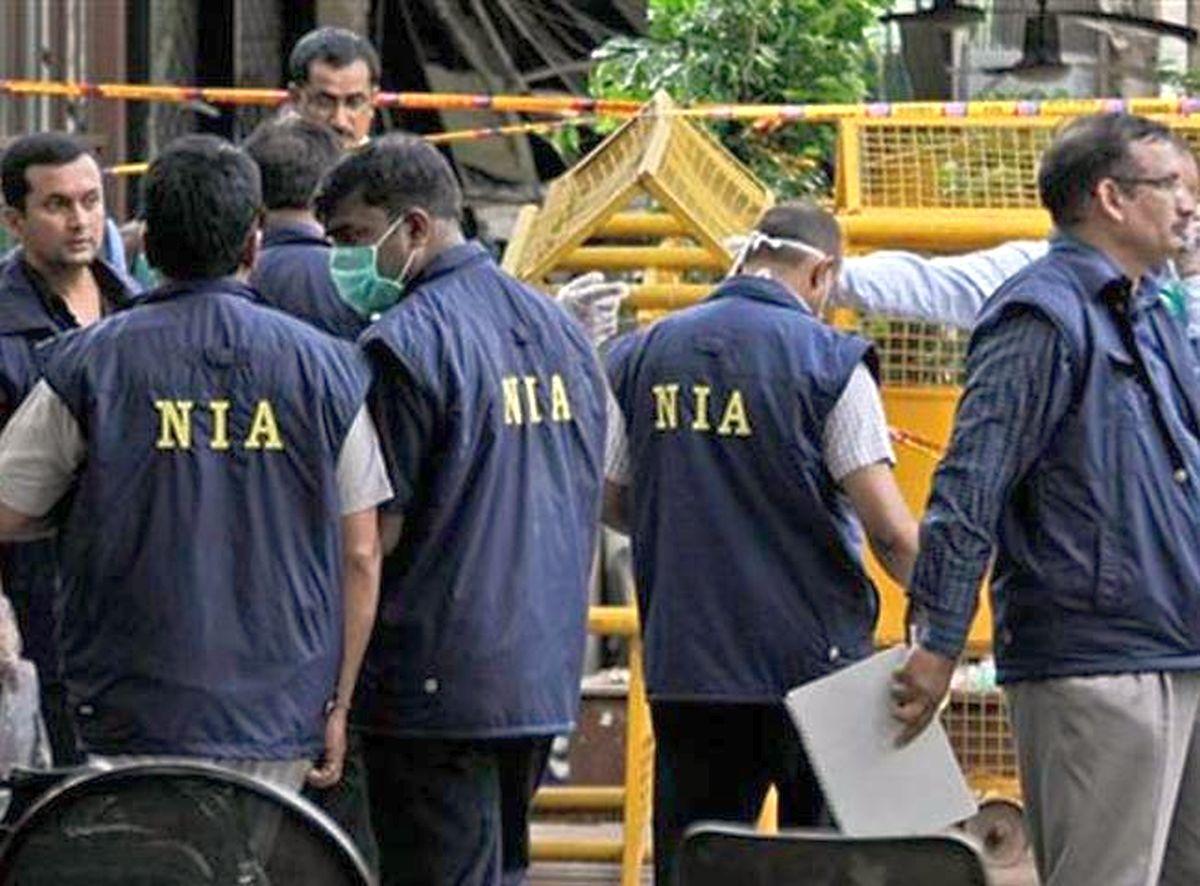
The victims were reportedly forced to participate in fraudulent online activities, including investment scams, digital arrest frauds, phishing operations, and fake customer support schemes targeting individuals across multiple countries. Authorities stated that victims who resisted instructions or failed to meet targets were subjected to torture, including electric shocks, confinement, denial of food and water, and physical assault.
The investigation also revealed disturbing details about the financial structure of the trafficking network. Officials suspect that trafficked individuals were effectively “sold” to scam operators in Cambodia for thousands of dollars per person. Recruiters allegedly earned commissions for each victim sent abroad, turning vulnerable job seekers into commodities within a criminal ecosystem tied to cyber fraud operations.
The case highlights the growing global concern surrounding cyber slavery compounds operating in parts of Southeast Asia, especially Cambodia. International investigations and human rights reports have repeatedly documented the existence of heavily guarded scam centres where trafficked workers are forced to conduct online fraud under threats of violence and torture. Many victims are reportedly unable to escape due to confiscated documents, surveillance, and fear of retaliation.
Indian authorities have intensified efforts in recent years to dismantle trafficking channels linked to cybercrime syndicates operating abroad. Several rescue and repatriation operations have already been carried out involving Indian citizens trapped in scam compounds in Cambodia and neighbouring countries. The current chargesheet is being viewed as a significant step toward prosecuting those responsible for facilitating the trafficking of Indian nationals into forced cybercrime labour networks.
Officials indicated that the investigation remains ongoing and further arrests may follow as agencies examine financial transactions, international links, and digital evidence connected to the operation. Authorities are also urging young job seekers to verify overseas employment opportunities carefully and avoid falling prey to fraudulent recruiters promising unrealistic salaries and quick placements abroad.