

In the aftermath of the devastating car explosion near the Red Fort Metro Station in Old Delhi, the process of identification for victims plunged families into harrowing, intimate moments of grief. With bodies beyond recognition, small personal markers — a tattoo on an arm, a chain with a name, a torn T-shirt — became the fragile bridge between life and loss.
One such story involves 34-year-old businessman Amar Kataria of Chandni Chowk, whose body was found severely burnt and mangled. His family say the only way they recognised him was when hospital staff described the tattoos etched on his arms: one reading “Mom my first love”, another declaring “Dad my strength”, along with the name of his wife “Kriti”. With choking voices and tears in their eyes, his parents confirmed “that is our son”.
Elsewhere, for other families the process was even more wrenching: a blue-shirt he always wore, the distinctive chain he never removed, his favourite bike jacket, all served as the final, fragile confirmation of their loved one’s identity. In some cases, police investigators asked very specific questions — What tattoo did he have on his forearm? Was he wearing a bracelet or a gold chain? What brand and colour of T-shirt did he exit home in?

The Blast and Chaotic Aftermath
The explosion occurred on a Monday evening as a slow-moving car burst near the Red Fort Metro station, ripping through metal and flesh and engulfing the crowded roadway in flames and terror. The magnitude of the blast left multiple victims with catastrophic injuries, many bodies so badly burnt that usual identifiers — faces, features, limbs — were no longer recognisable.
Security personnel, forensic teams and hospital morgues immediately went into crisis mode. Families were urged to gather with photographs, clothing samples and details of personal marks — tattoos, moles, chains — to assist in identification. The desperate search extended through the night, as conditions at the hospitals and secure zones grew tense, emotional and exhausting.
Personal Identifiers Rescue Identity
In the confusion, tattoo inscriptions emerged repeatedly as one of the most reliable identifiers. Among the victims, Amar Kataria’s tattoos became a decisive clue for his family. For others, missing limbs meant traditional identification was impossible, pushing survivors and authorities to rely on clothing fragments — a ripped T-shirt with a logo, a bracelet engraved with initials, jewellery items still intact.
Investigators say that in many cases the only remaining recognisable part was a shirt-tail, a torn sleeve, or the print on a T-shirt. Chains with pendants, some engraved, chains that victims habitually wore, were taken out of the wreckage and handed over to families. Tattoo artists, bike-club friends and social-media posts helped families confirm the presence or style of tattoos when physical evidence was minimal.
Families in Waiting
For many families, the night stretched into early morning hours filled with anguish, anxiety and uncertainty. Waiting outside hospitals, confronting grinding security checks, and navigating official procedures, they clung to hope until a text message, phone-call or hospital note delivered the worst possible news. One father described the moment police called and said there was a body with his son’s tattoos; another family identified their loved one when a jacket with a bloodied emblem was handed over.
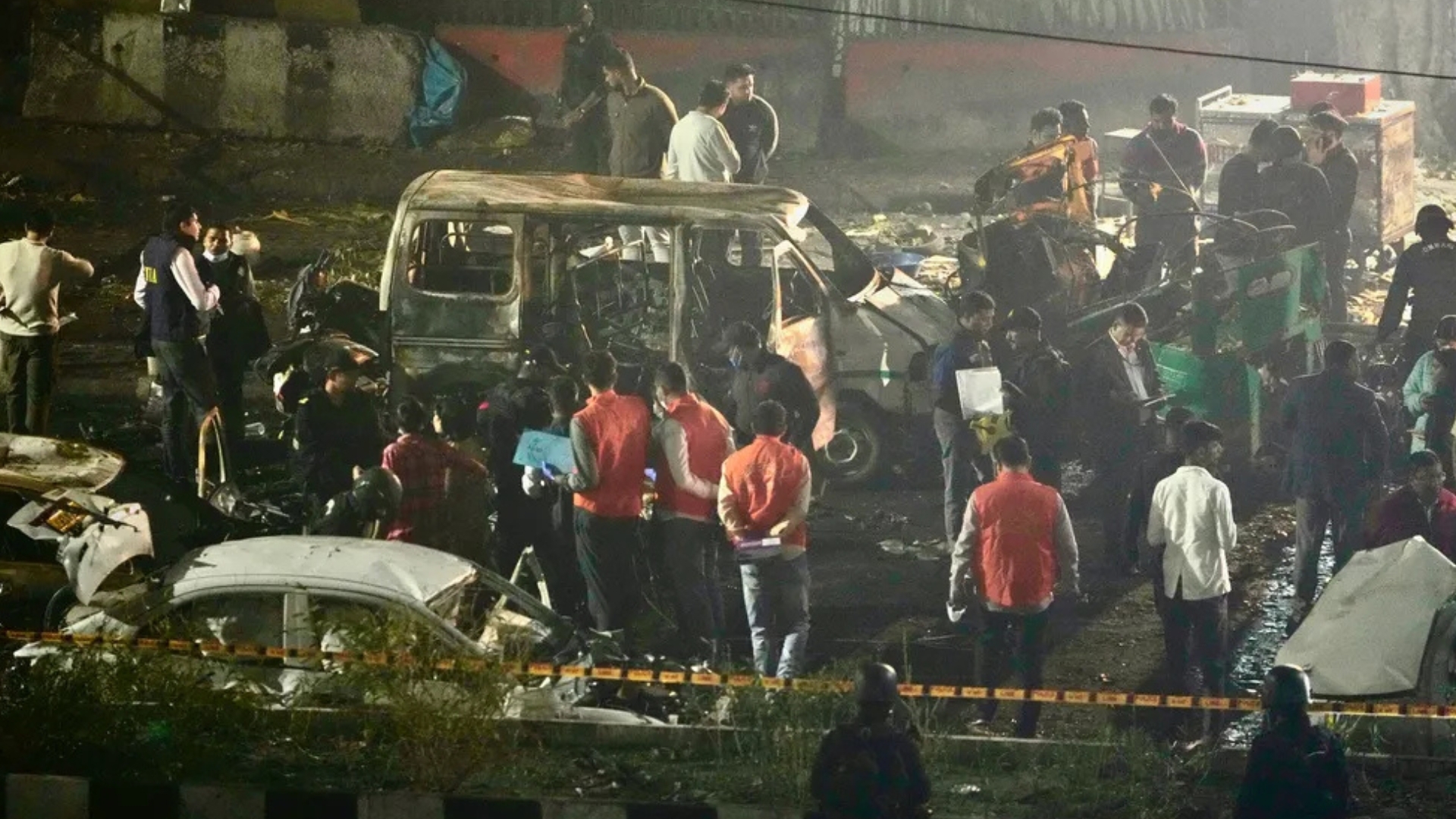
Families also faced the cruel reality that for some victims, identification would have to await DNA testing, dental records or other forensic help — indicators of just how destructive the blast had been.
Broader Implications
The incident underscores not only the human cost of terror attacks but also the indispensable role of forensic protocols and personal identifiers in disaster scenarios. Tattoos and jewellery, which for many people are personal expressions, assumed tragic new importance as tools of identification. Meanwhile, the blast is fueling fresh debate over security in crowded urban heritage zones, emergency-preparedness at metro stations, and the ability of first responders to cope with mass-casualty events.
With investigation teams examining vehicle history, explosive residue, suspect movements and possible terror links, families of victims are demanding swift answers and closure. The loss of so many lives, many of whom were bread-winners or young fathers, has rippled outwards into communities, workplaces and beyond.
In the blaze that followed the car explosion near Delhi’s Red Fort, the chief means by which many families identified their lost loved ones were personal markers — tattoos reading heartfelt dedications, favourite chains, torn T-shirts. With conventional identification impossible in many deaths, these fragile threads of identity took on profound significance amid grief, chaos and investigation.