

A recent large-scale study has sparked fresh debate on the impact of daily milk consumption on heart health, suggesting that women who consume large quantities of non-fermented milk could face a heightened risk of developing ischaemic heart disease (IHD). The findings stand in contrast to earlier research indicating that moderate dairy consumption poses little or no harm to cardiovascular health.
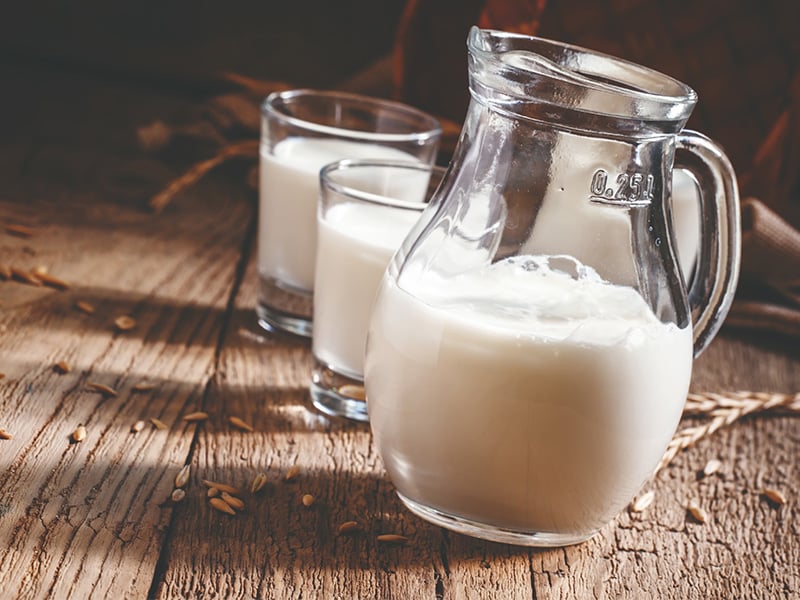
According to the research, women who drank more than 300 millilitres of milk per day — roughly equivalent to one and a half glasses — showed a measurable increase in heart disease risk compared to those who consumed less. The association was not observed in men, highlighting potential gender-specific effects that require further scientific exploration.
A Closer Look at the Findings
The study, which analysed health data from more than 100,000 participants, found that the risk of heart disease in women increased proportionally with milk intake. Those consuming around 400 millilitres per day faced an estimated 5 percent increase in risk, while women drinking about 800 millilitres daily saw the risk rise by nearly 21 percent.
Notably, the research observed no difference in risk based on fat content — whether full-fat, semi-skimmed, or skimmed milk — suggesting that the quantity of milk consumed, rather than its fat percentage, may be the key factor influencing heart health outcomes.

Interestingly, fermented dairy products such as yogurt and kefir were not associated with similar risks. These findings have led experts to theorize that fermentation processes may alter milk’s nutritional composition in ways that benefit cardiovascular health, potentially by improving gut microbiota or modifying bioactive compounds.
Broader Research on Dairy and Heart Health
Previous global analyses have largely portrayed dairy products as neutral or mildly beneficial to heart health when consumed in moderation. Studies examining cheese, yogurt, and milk collectively have often shown either a slight reduction in cardiovascular disease risk or no significant association at all.
For instance, research involving diverse populations across continents has reported that moderate dairy consumers tend to experience lower rates of both heart disease and stroke. Experts have attributed these outcomes to beneficial nutrients found in dairy, including calcium, potassium, and certain fatty acids that may help regulate blood pressure and inflammation.
However, the new findings introduce a critical nuance — that excessive consumption of non-fermented milk may pose risks, particularly for women. Researchers caution that these results do not suggest milk is inherently harmful, but that high intake levels could have unintended metabolic effects, possibly related to hormonal or protein responses unique to female physiology.
Why the Risk May Differ for Women
Scientists involved in the study point to potential biological differences that could explain the gender disparity. One hypothesis is that women metabolize certain milk proteins differently, influencing hormones and enzymes associated with heart function.
Additionally, milk contains bioactive compounds that may interact with cardiovascular proteins such as ACE2 and FGF21, both linked to blood pressure and metabolism. Such interactions could help clarify why increased milk intake correlates with higher IHD risk in women but not in men.
Moderation Remains Key
Despite the concerns raised, experts emphasize that moderate milk consumption — generally defined as up to one or two glasses per day — remains safe for most people. Nutritionists recommend maintaining a balanced diet that includes a mix of dairy and plant-based sources of protein and calcium, rather than relying heavily on milk alone.
For individuals who consume large volumes of milk daily, substituting part of that intake with fermented dairy products like yogurt, curd, or kefir may be beneficial. These foods provide similar nutrients while potentially offering protective effects against heart disease.
Health professionals also underline the importance of context: a person’s overall diet, physical activity level, weight, and family history of heart disease all play significant roles in determining cardiovascular risk.
Expert Reactions
Nutrition experts have responded to the study with cautious interest. While the findings raise legitimate concerns about excessive milk intake, they also underscore the complexity of nutrition research. Most scientists agree that observational studies can highlight associations but cannot establish direct causation.
They also note that dietary habits often reflect broader lifestyle patterns — for example, individuals with higher milk consumption may have differing caloric intake, physical activity, or socioeconomic factors influencing their health outcomes.
Thus, while the new research invites reconsideration of dietary recommendations for women, experts maintain that moderate milk consumption remains compatible with a heart-healthy diet when combined with other nutrient-rich foods and regular exercise.