
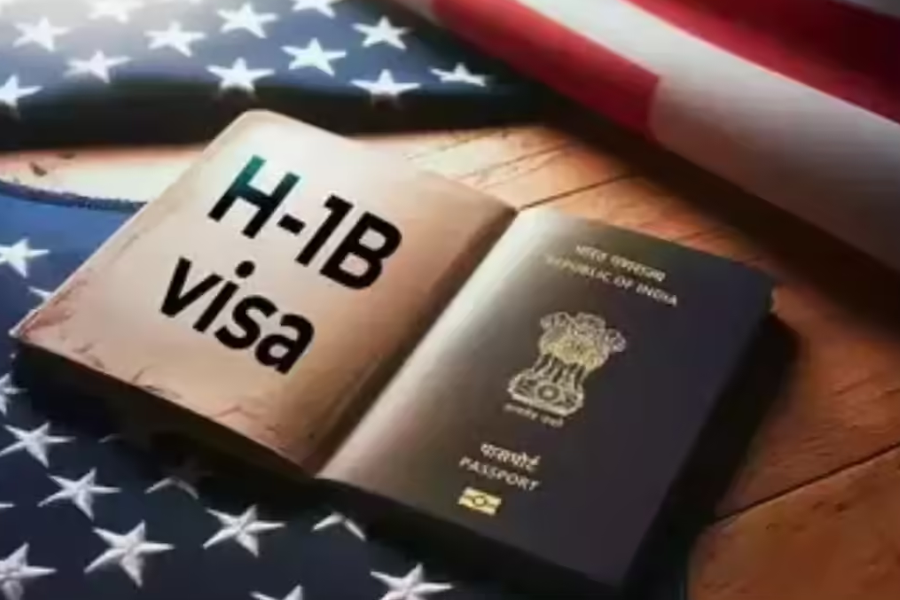
The White House has reaffirmed its commitment to defend the newly implemented $100,000 H-1B visa fee, describing it as a “lawful and necessary measure” to safeguard American workers and curb system abuse. The decision has sparked a series of lawsuits from tech firms, industry groups, and unions, who claim the policy is unconstitutional and economically damaging.
During a recent press briefing, White House Press Secretary Karoline Leavitt said the government would “vigorously defend” the policy in court, emphasising that it aims to restore fairness to the US job market. “For far too long, the H-1B visa system has been spammed with fraud, driving down American wages and displacing local workers. This administration is putting American jobs first,” she said.
Rationale Behind the Fee Hike
The revised H-1B policy, introduced under the Trump administration, imposes a $100,000 processing fee on each new visa application filed for foreign professionals outside the United States. Officials claim the move is designed to deter misuse of the programme, prevent the replacement of domestic workers with cheaper foreign labour, and ensure compliance with US wage standards.

The US Citizenship and Immigration Services (USCIS) clarified that the new fee applies to petitions filed after September 21, 2025, for foreign nationals who are not already in H-1B status. Renewals and extensions within the country may be exempt from the full fee, depending on specific eligibility criteria.
Government representatives argue that the system has been plagued by “rampant fraud and exploitation,” and that the increase would discourage companies from filing excessive or speculative applications.
Legal and Industry Pushback
The policy has triggered multiple lawsuits across federal courts, with plaintiffs including the US Chamber of Commerce, technology companies, and advocacy groups. They argue that the new fee violates the Immigration and Nationality Act (INA), which mandates that visa fees should only reflect administrative processing costs — not serve as economic deterrents.
Business associations have warned that the $100,000 levy will disproportionately impact small and mid-sized firms, particularly start-ups and research organisations dependent on skilled foreign professionals. Labour unions, meanwhile, argue that the policy could reduce opportunities for collaboration and innovation within the US technology ecosystem.
Legal experts suggest the issue could escalate to higher courts, with the final outcome shaping the future of US skilled immigration policy for years to come.
Impact on Indian Tech Workforce
The move has raised significant concern in India, home to the largest number of H-1B visa recipients globally. Indian IT companies and skilled professionals rely heavily on the visa to work in the US technology sector.
Industry analysts warn that the steep fee could discourage American firms from hiring Indian engineers and tech workers, leading to reduced cross-border collaboration and potential job relocations outside the United States.
Diplomatic sources indicate that the Indian government has expressed concerns through official channels, calling the policy “restrictive and counterproductive” to global talent mobility and innovation.
Administration’s Stand and Future Outlook
Despite the backlash, the White House maintains that the policy is part of a broader effort to reform the US immigration system and prioritise local employment. Officials have rejected claims that the decision targets specific nationalities, insisting that the reform aims to ensure integrity and fairness across all visa categories.
The administration believes the H-1B programme has long been exploited by outsourcing firms, leading to wage suppression and job displacement. By imposing a steep entry fee, it hopes to attract only “genuine and high-value applicants.”
However, industry leaders warn that such measures could undermine the US’s global competitiveness in innovation, technology, and research.
As the court battles unfold, the future of the H-1B programme — long regarded as a cornerstone of America’s tech economy — hangs in the balance. The final ruling could redefine the framework of skilled immigration, international business strategy, and India-US workforce relations in the years ahead.