
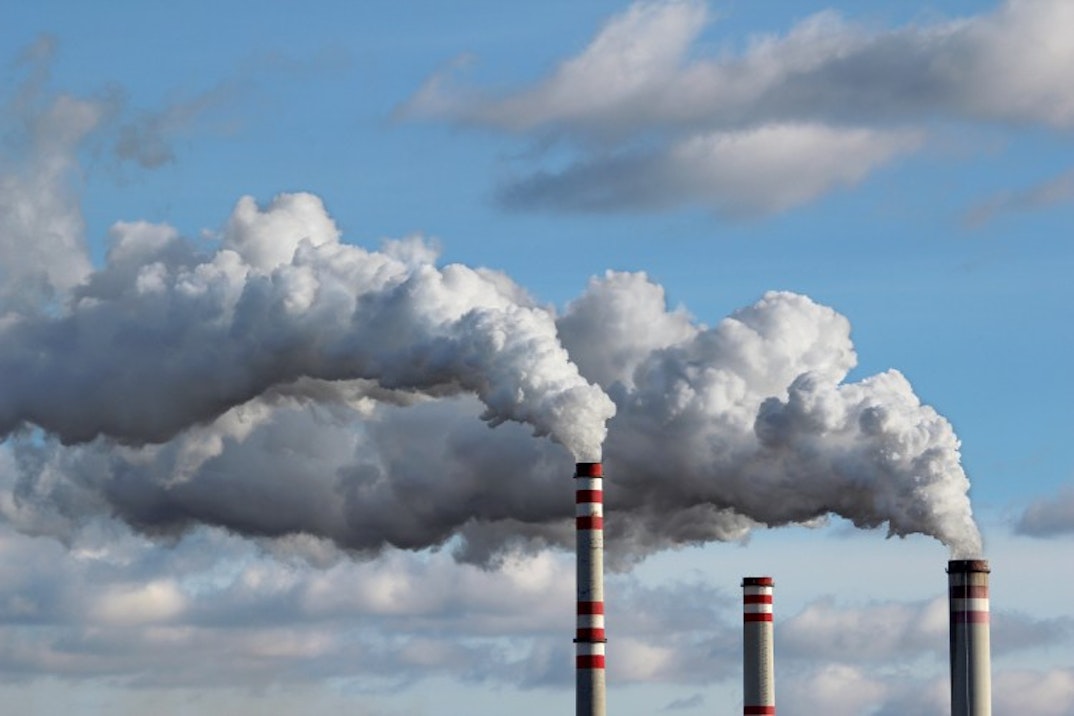
In a startling revelation for global health, new research indicates that nearly 625,000 deaths every year are linked to dementia caused or worsened by air pollution. The study suggests that approximately 28 to 29 percent of all dementia-related deaths globally may be attributable to exposure to polluted air, making it one of the most underestimated environmental health crises of the modern era.
The Growing Threat of Toxic Air
Dementia, a progressive condition that impairs memory, cognition, and daily functioning, has long been associated with aging and genetic factors. However, mounting scientific evidence now points to airborne pollutants — particularly fine particulate matter (PM2.5), nitrogen dioxide (NO₂), and soot — as significant contributors to neurodegenerative decline.
Researchers found that long-term exposure to PM2.5 — microscopic particles less than 2.5 micrometers in diameter — can penetrate deep into the lungs, enter the bloodstream, and potentially cross the blood–brain barrier, triggering inflammation and oxidative stress. Over time, these processes can damage brain cells and accelerate the buildup of amyloid plaques, which are commonly linked with Alzheimer’s disease and other forms of dementia.

Scientific Evidence and Biological Mechanism
Experts explain that exposure to polluted air affects the brain much like smoking affects the lungs — subtly and progressively. In animal and human studies, prolonged exposure to air pollution has been linked to neuroinflammation, reduced brain volume, and cognitive decline. Laboratory findings further suggest that toxic airborne particles can reach the brain directly through the olfactory system, bypassing traditional biological filters.
The new findings strengthen a growing body of evidence that environmental factors, rather than genetics alone, may play a decisive role in the global rise of dementia cases. Researchers estimate that each increase of 10 micrograms per cubic meter (µg/m³) in PM2.5 concentration is associated with a measurable rise in dementia-related mortality and disability rates.
Global Health Implications
The implications of these findings are profound. With air quality deteriorating in many parts of the world, particularly across South and East Asia, millions may face a higher risk of developing dementia earlier in life. India, one of the countries with persistently high levels of air pollution, could face a disproportionate burden if urgent measures are not taken.
Public health experts warn that the economic and social costs of dementia — already estimated at trillions of dollars globally — will only rise if environmental causes continue to be overlooked. Improved air quality policies, stricter emissions controls, and urban planning focused on clean energy could not only save lives but also reduce the global neurological disease burden.

Unanswered Questions and the Path Forward
Despite the strong associations, scientists caution that current findings are based on large-scale observational data. While the biological plausibility of pollution-induced dementia is well supported, more research is needed to establish a direct causal link and to understand how exposure thresholds vary among different populations.
Nevertheless, the evidence underscores a crucial message: clean air is not only vital for respiratory and cardiovascular health but also for preserving cognitive function and mental wellbeing.
A Call for Global Action
As dementia cases rise in tandem with worsening air quality, health experts are urging governments and policymakers to treat air pollution as a major neurological health threat. Integrating air quality management into dementia prevention strategies could transform how nations tackle one of the fastest-growing public health challenges of the 21st century.
The study serves as a reminder that tackling pollution is not merely an environmental issue — it is a fight for the brain health, longevity, and quality of life of future generations.