
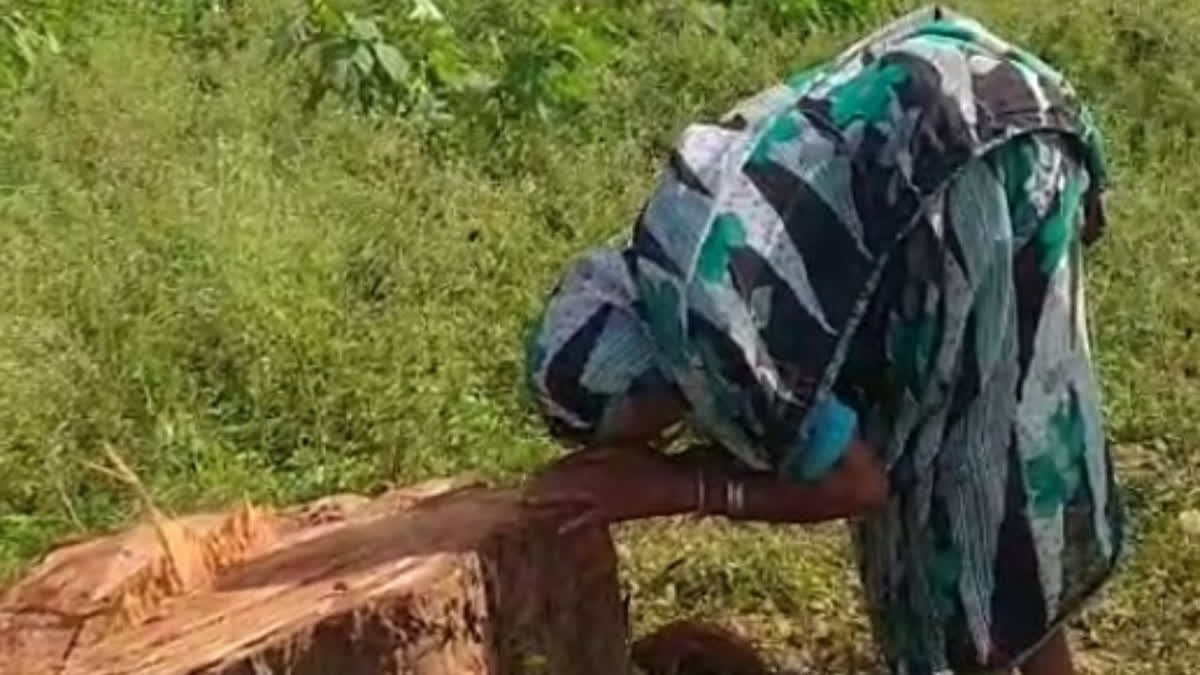
In a deeply emotional incident that has struck a chord across social media, an elderly woman in Sarragondi village, Chhattisgarh, was reduced to tears after a Peepal tree she had planted and nurtured for over two decades was abruptly cut down. Villagers say she regarded the tree not just as a plant, but as a living companion—treating it with the care and devotion often reserved for a child.
Locals report that the tree had stood at a site of communal significance, cared for by the woman through daily watering, protection, and worship over the years. It had become woven into her routines and spiritual life. When news spread that land behind the tree was to be levelled for construction, the villagers presumed that those intentions might threaten the beloved Peepal.
On the day of the felling, the video shows the elderly woman cradling the jagged stump, weeping uncontrollably. The scene left onlookers stunned—some tried to console her, but the grief was profound. As bystanders stood in silence, many described her sorrow as equal to losing a child.
According to villagers’ accounts, the tree’s removal was requested by a local landowner, reportedly to clear ground opposite his parcel. He is alleged to have enlisted assistance to carry out the act. After the tree was cut, evidence such as the cutting equipment was reportedly discarded to hinder investigation.
The police have since registered a formal complaint. Based on preliminary statements, charges have been filed under sections related to violation of religious sentiment and damage to public property. Two individuals have been detained in connection with the case, and further inquiry is under way. Authorities have also seized a vehicle believed to be involved in transporting the tools used in the wrongful act.
In response to the public outcry, villagers have planted a new sapling at the same spot, vowing to protect it. The elderly woman herself participated in the replanting, albeit with tears in her eyes—her grief softened slightly by the community’s solidarity.
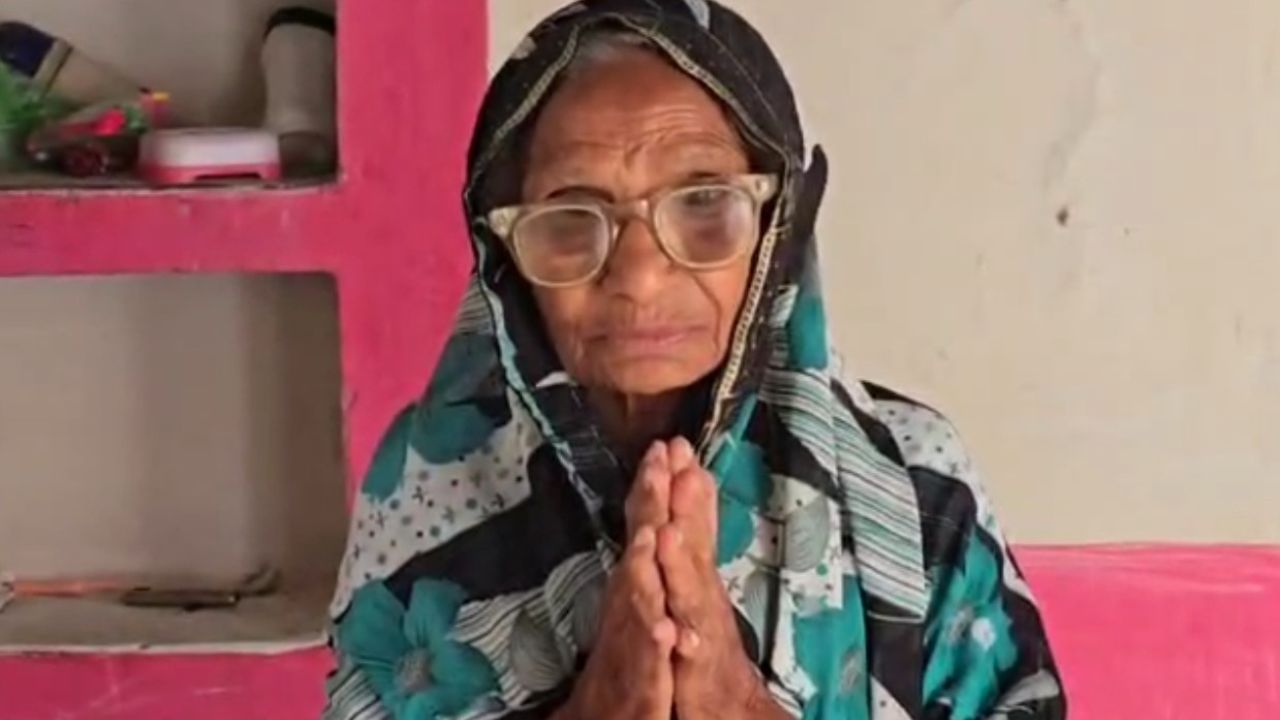
This event has resonated with many, reigniting discussions around the emotional bonds people form with nature, the cultural significance of trees in rural India, and the tensions between development and conservation. For many observers, it serves as a painful reminder that trees are not merely ecological assets—they are often repositories of memory, identity, and emotional investment.
Leave a Reply