
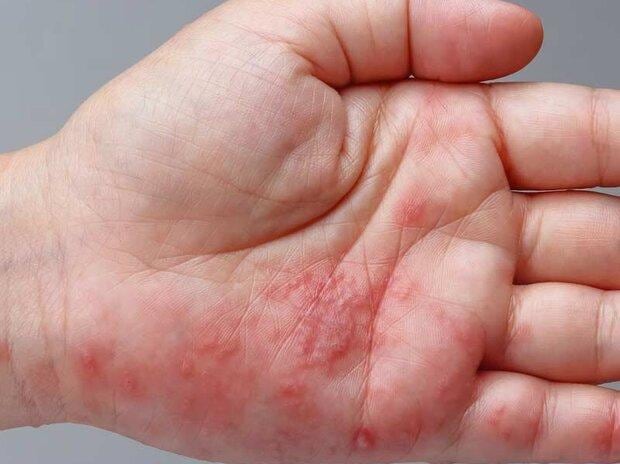
The Uttarakhand health department has sounded the alarm as 28 children have been confirmed to have contracted “tomato flu”, triggering heightened surveillance, public alerts, and intensified preparedness across the state’s medical infrastructure.
According to state health officials, the outbreak primarily affects children under the age of 5, although vigilance is being extended to older age groups as well. The identified cases emerged across districts, compelling local authorities to issue warnings and advisories to hospitals, clinics, and pediatricians.
Symptoms, Diagnosis and Public Response
Children diagnosed with tomato flu exhibit symptoms such as high fever, rashes, red blistering skin lesions, joint pain, fatigue, and sometimes oral ulcers. The rash is characterized by painful inflamed blisters that can grow in size—earning the nickname “tomato flu.” While these symptoms closely resemble those of hand-foot-mouth disease (HFMD), dengue, or chikungunya, medical professionals emphasize that correct diagnosis requires laboratory testing, especially to rule out other viral causes.
In response to the outbreak, the Uttarakhand health department has:
- Placed government hospitals on high alert
- Issued directives to primary health centers and pediatric units to flag and isolate suspected cases
- Advised parents to monitor children for early symptoms and seek medical attention promptly
- Issued public messaging around hygiene, isolation, and reducing contact between children
- Coordinated with district health officers to ensure reporting of new cases and sample testing
The Dehradun Chief Medical Officer, Dr. Manoj Kumar Sharma, clarified that no cases have yet been reported within the Dehradun city limits, but cautioned that with neighboring outbreaks, the risk remains real. Hospitals in the district have been instructed to be vigilant and escalate any suspected cases immediately.
Historical and Scientific Context
“Tomato flu” is not a newly identified disease but is widely believed to be a regional variant of hand, foot, and mouth disease (HFMD). Previous research has linked similar outbreaks in India to enteroviruses—especially Coxsackie A16—rather than a unique virus. (gavi.org)
Earlier outbreaks in states like Kerala and Odisha presented with nearly identical symptoms, and scientific investigations often found no novel pathogen. (The Guardian) Still, given the novelty in nomenclature and public concern, authorities treat each outbreak with caution and surveillance.
Challenges, Risks & Next Steps
Public health officials face multiple challenges:
- Distinguishing tomato flu from other viral illnesses, especially when symptoms overlap
- Maintaining isolation protocols while preventing undue panic
- Ensuring laboratory capacity for viral testing and genetic sequencing
- Enforcing hygiene and contact precautions in crowded settings such as schools and community areas
- Managing misinformation and fear on social media and local channels
The state has indicated that it will intensify surveillance in all districts, particularly along borders with states that have reported similar outbreaks.
Officials have also emphasized supportive treatment as the primary therapeutic approach. Fluids, antipyretics, rest, and monitoring are central. Most children recover within 7 to 10 days. No serious complications have been widely recorded in previous outbreaks, although vulnerable populations must be watched carefully.