
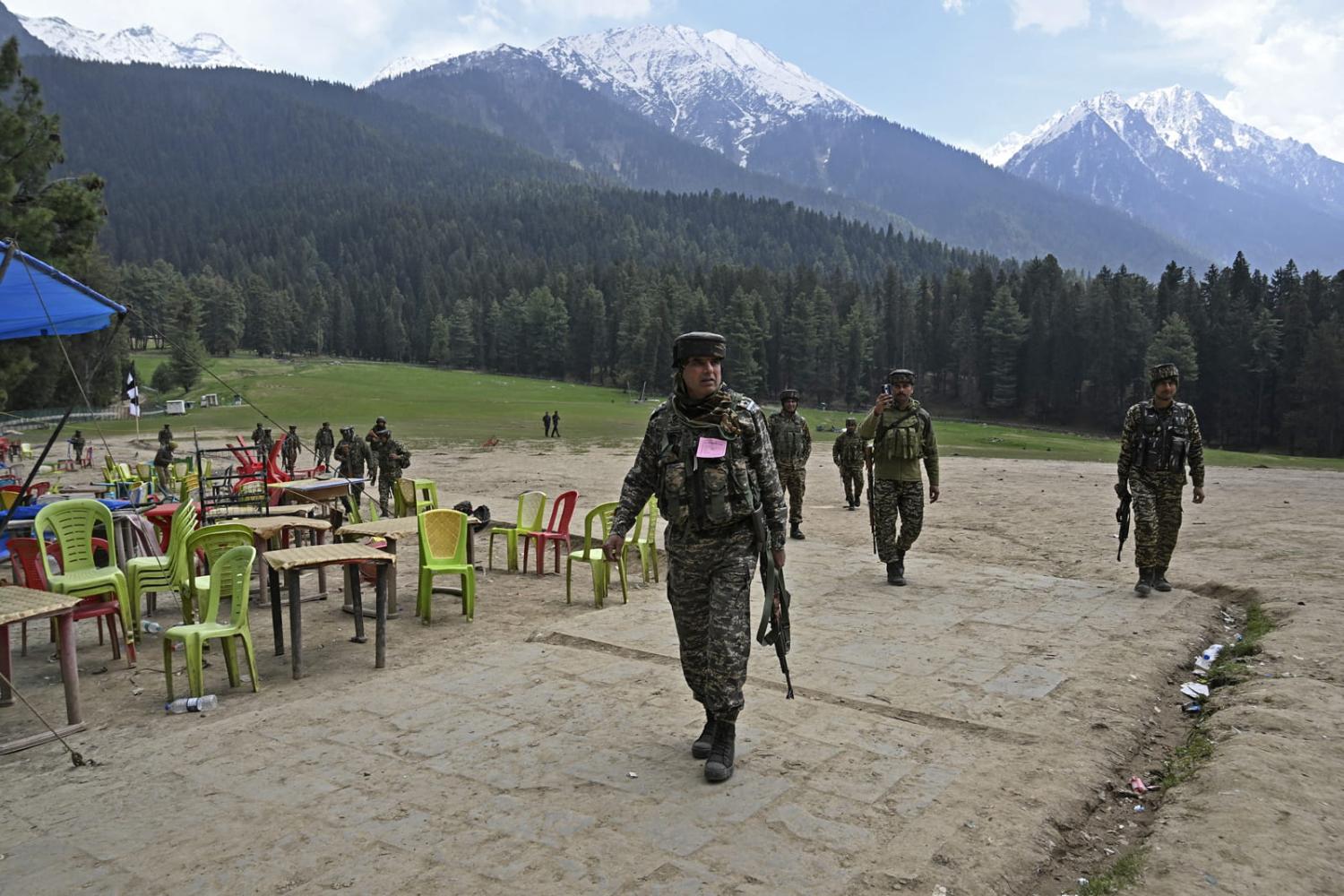
In the wake of the horrific Pahalgam terror attack, a Chinese studies expert has claimed that one of the attackers used a Huawei phone with a Chinese satellite connection to communicate back to handlers in Pakistan. The allegation, if verified, may point to complex cross-border links and technological facilitation in militant operations.
Expert Assertion and Its Context
Professor Srikanth Kondapalli, a noted Chinese studies scholar, stated in a recent media interview that during the Pahalgam attack, one of the terrorists was found to be carrying a Huawei satellite phone. According to him, the device was used to message back to Pakistan immediately following the assault. He interpreted this as indicating a possible Chinese role or complicity in supplying advanced communication tools to militants.
Kondapalli further asserted that Indian intelligence agencies possess the device in question. He suggested that Beijing might have provided satellite imagery or communications support ahead of the attack, arguing that such actions would reflect double standards in China’s anti-terrorism rhetoric — especially when juxtaposed with its strategic alignment with Pakistan.

Technical Details & Satellite Connection
The so-called “Chinese satellite connection” implies that the phone operated on satellite-enabled communication capabilities rather than standard cellular networks. Such devices can bypass ground infrastructure—making them harder to trace or intercept via conventional telecom or signal intelligence channels.
Huawei, among a few Chinese firms, has developed consumer devices with satellite fallback modes, primarily for extreme conditions or as backup in remote areas. The suggestion is that the device used by the terrorist exploited such capabilities to maintain contact in sensitive operational zones.
Strategic Implications and Hypotheses
If the claim is substantiated, it has serious geopolitical and security implications:
- Supply chain and complicity: It raises questions about who provided the device, how it was smuggled or obtained, and whether there was state or proxy support.
- Intelligence and surveillance evasion: Use of satellite phones complicates interception, monitoring, and counter-terrorism tracking, especially in disputed or remote terrain.
- Diplomatic tensions: Accusations of Chinese involvement may further strain already delicate ties, especially in light of border disputes and strategic rivalry.
- Precedents for future attacks: If militants adopt satellite communications broadly, counter-terror frameworks and digital intercept strategies may need urgent revision.
However, experts caution that Kondapalli’s statements so far remain unverified public claims. There is no independent confirmation yet from government agencies or official investigative bodies that fully endorse or validate the technical details.
Verification, Investigations & Risks
For the claim to hold institutional weight, several steps would be essential:
- Forensic analysis of the seized device, logs, IMEI/serial data, and communication history
- Cross-agency corroboration (from intelligence, forensics, telecommunications authorities)
- Tracing supply chains or capture of intermediaries who may have procured or delivered the device
- Attribution of responsibility—whether state, non-state, or proxy actors were involved
Officials may proceed with caution to avoid speculative attribution without concrete evidence. Overstated claims could provoke diplomatic backlash or mislead the public.