
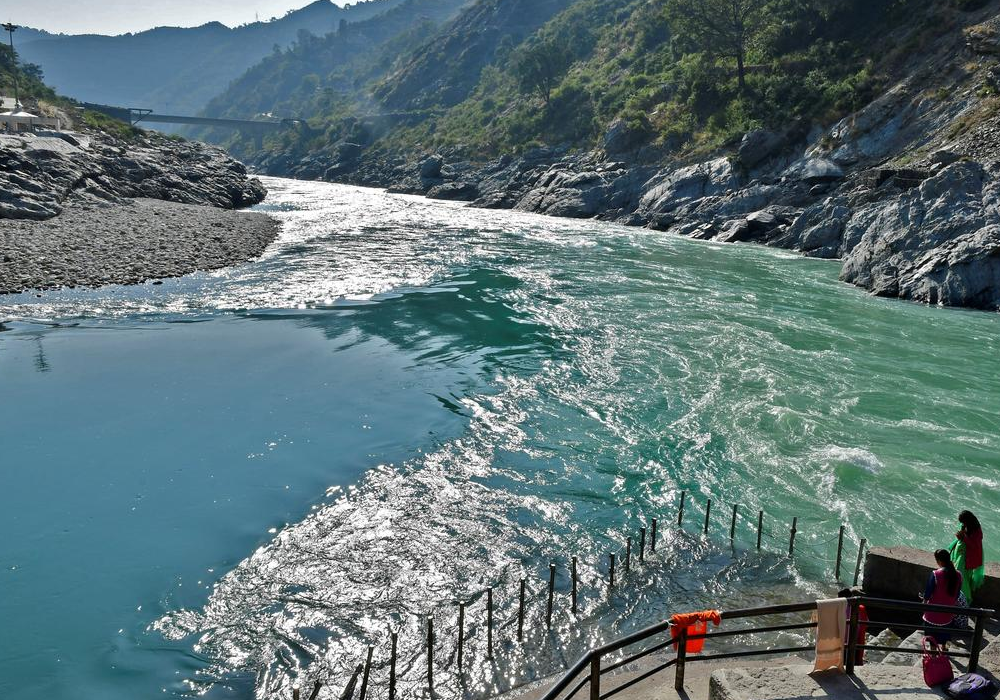
The Ganga, India’s most sacred and vital river, is facing its worst drought in more than 1,300 years, according to a new scientific study. Experts have warned that the river is drying faster than ever before, raising serious concerns for millions who depend on it.
Study Findings
Researchers from IIT Gandhinagar and the University of Arizona examined tree-ring data and long-term climate records to trace water flow patterns in the Ganga basin. Their findings reveal that the period between 1991 and 2020 has been the driest in more than a millennium, with droughts becoming more frequent, prolonged and severe.
The study states that the present drying is 76 per cent worse than earlier drought episodes recorded over centuries.
Reasons Behind the Drying
Scientists have identified multiple factors behind this alarming trend:
- Weakening Monsoons: Changing climate and warming seas have reduced rainfall across northern India.
- Air Pollution: Aerosols and industrial emissions are disrupting natural rainfall patterns.
- Human Activities: Excessive water extraction, construction of dams, deforestation and overuse of groundwater have worsened the crisis.
Impact on Millions
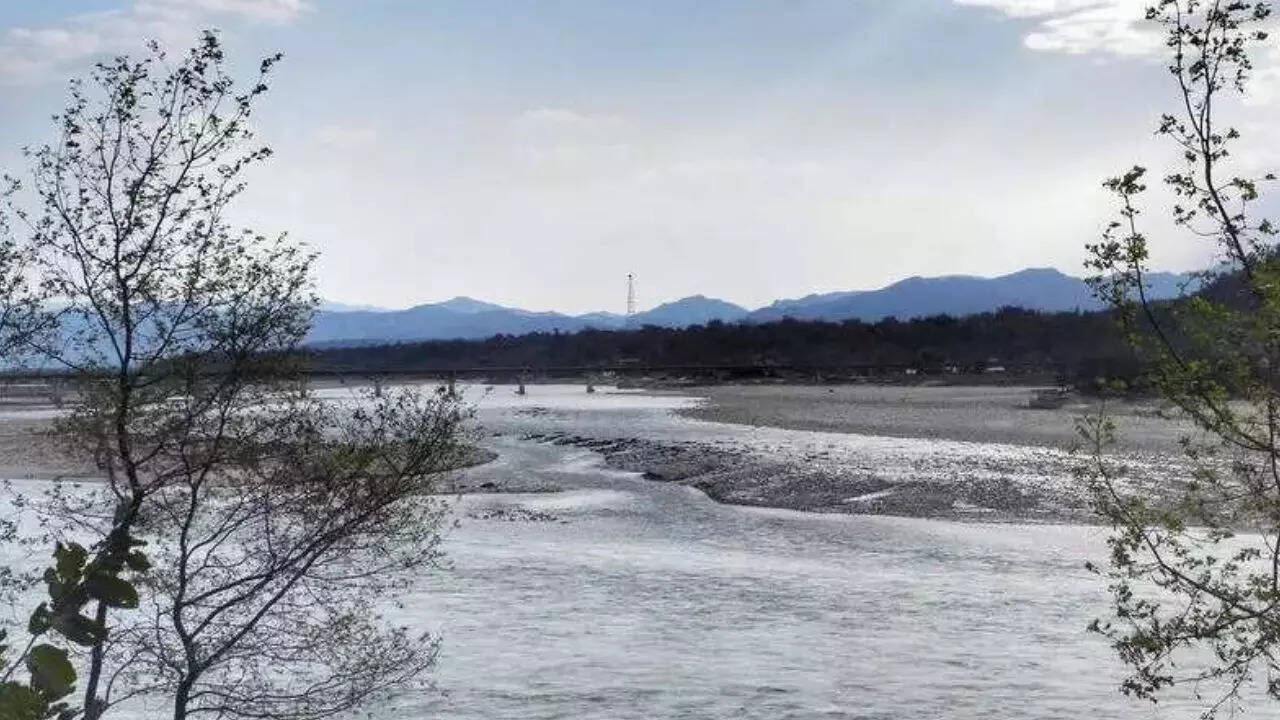
The Ganga supports nearly 600 million people in northern India, serving as a lifeline for agriculture, drinking water, industries and religious activities. Experts warn that continued decline in river flow could lead to:
- Acute water shortages in cities and villages
- Crop failures and threats to food security
- Damage to river ecology, affecting fish and aquatic life
- Social and economic unrest over scarce water resources
What Experts Suggest
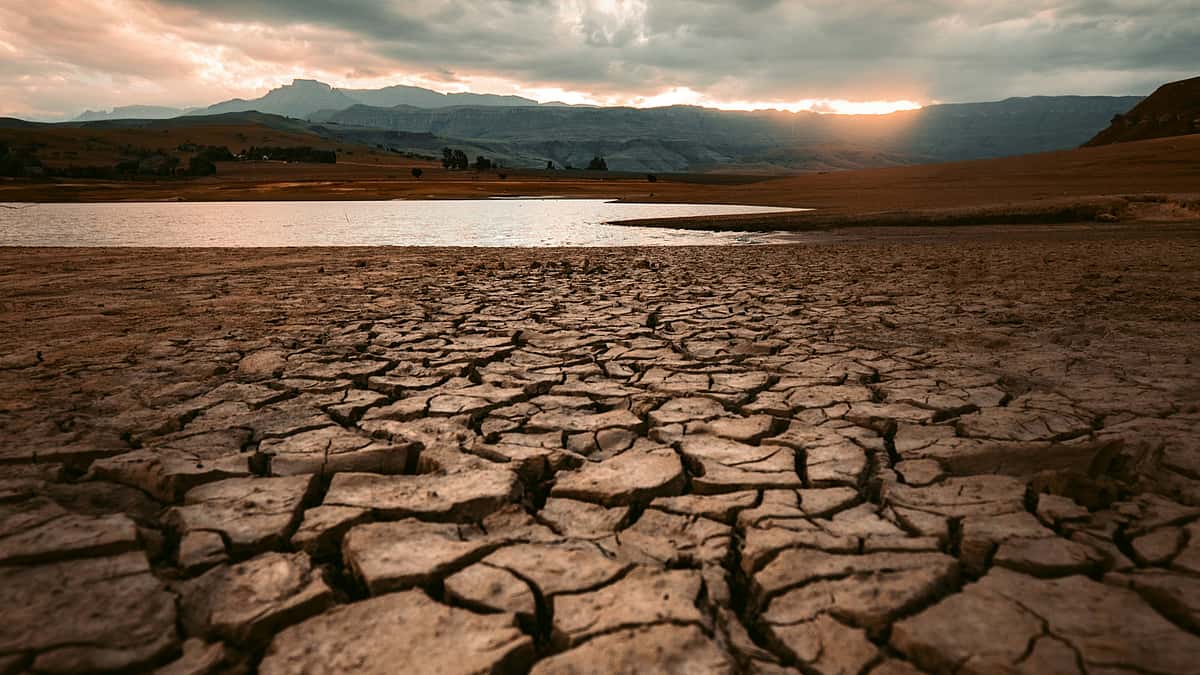
The study calls for urgent steps to save the Ganga, including:
- Smarter irrigation methods to reduce wastage
- Stricter laws on water extraction and pollution
- Restoration of forests and wetlands in the river basin
- Improved climate models to predict future changes
A Warning Signal
Experts have stressed that the Ganga’s decline is not just a natural cycle but a direct result of climate change and human exploitation. Without immediate action, India’s most iconic river could face irreversible damage, putting millions of lives and livelihoods at risk.