
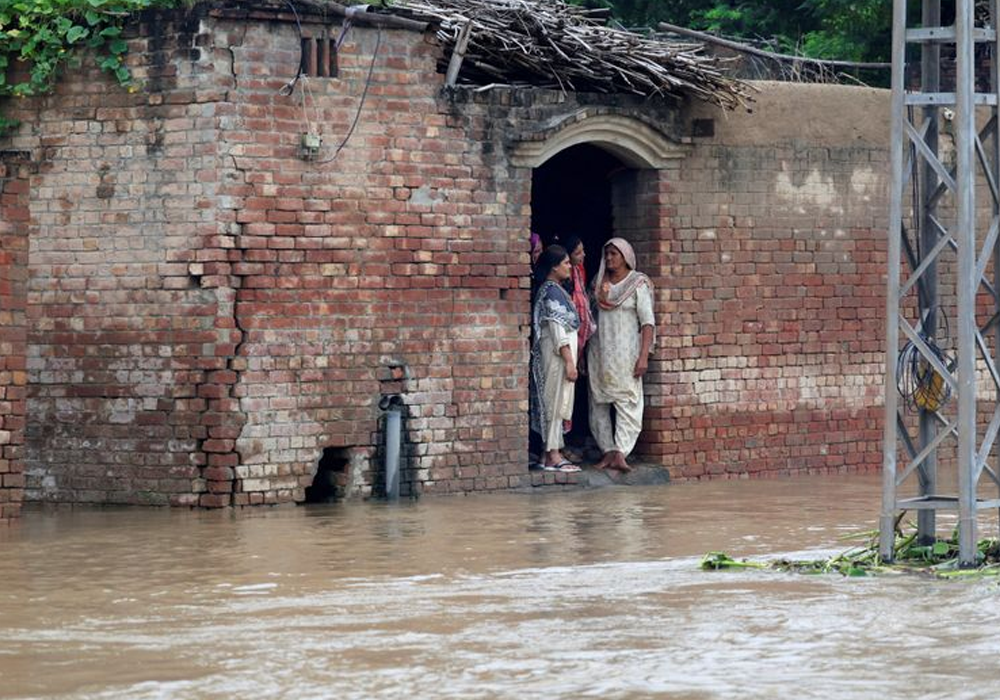
India has issued fresh flood risk alerts to Pakistan after heavy monsoon rains in northern states forced authorities to release excess water from several dams. The warnings, shared through diplomatic channels, were made on humanitarian grounds, despite the suspension of the Indus Waters Treaty earlier this year.
According to official sources, the alerts specifically concerned the Tawi River in Jammu, which eventually merges with Pakistan’s Chenab River. The water release raised concerns of downstream flooding in Pakistan’s Punjab province, where authorities have already undertaken large-scale evacuation operations.
Humanitarian Communication Despite Treaty Suspension
The Indus Waters Treaty (IWT), which for decades served as the primary framework for water-sharing communication between India and Pakistan, was suspended in April 2025 following escalating bilateral tensions. However, Indian officials emphasized that this latest warning was conveyed outside of the IWT framework in the “spirit of humanitarian concern.”
“This is a matter of human lives and disaster management, not politics,” an Indian government source told reporters.
Mass Evacuations in Pakistan
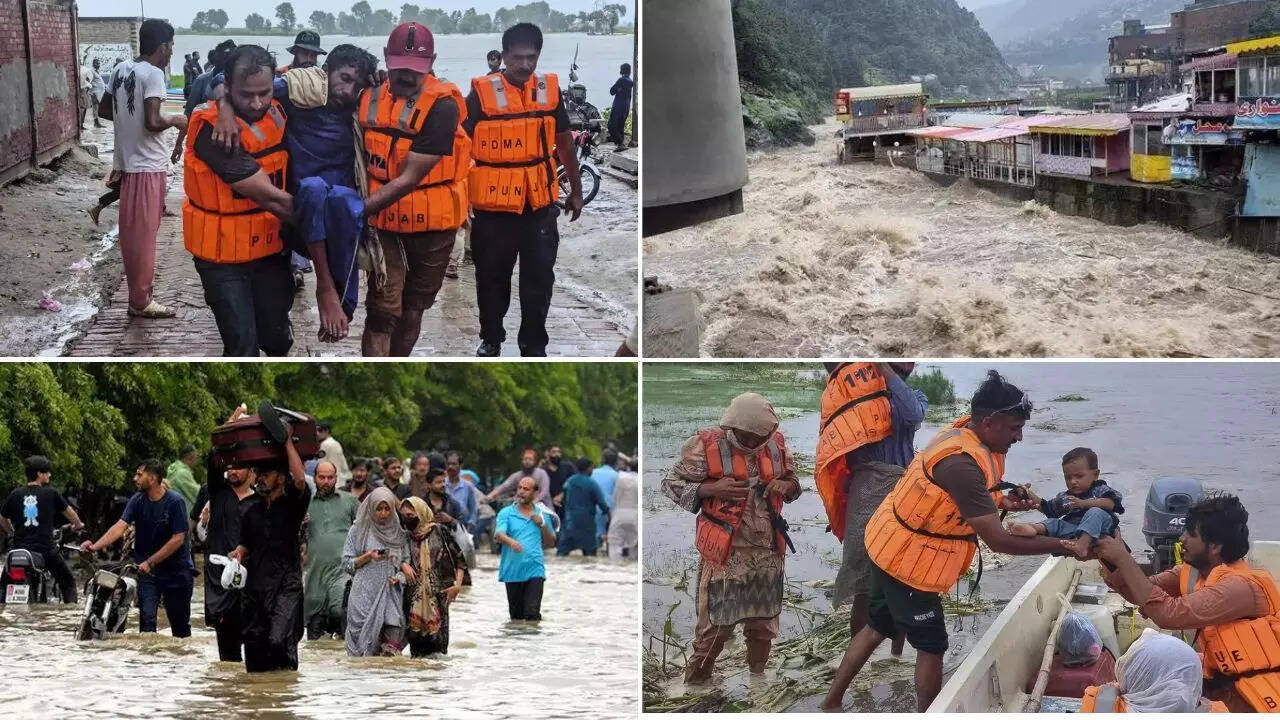
Following India’s warning, Pakistan’s National Disaster Management Authority (NDMA) launched urgent evacuation drives across flood-prone areas. Reports confirmed that more than 150,000 people were moved from vulnerable villages in Punjab, particularly in Kasur, Bahawalnagar, and Jhang districts.
Local authorities have set up relief camps, though challenges remain due to the scale of displacement. According to officials, the situation is being closely monitored as both Ravi and Sutlej rivers continue to swell from upstream inflows.
Pakistan has already endured one of the deadliest monsoon seasons in recent history, with over 800 fatalities since late June, while thousands of homes, farmlands, and roads have been washed away.
Heavy Toll in Northern India
India, too, is facing severe consequences from torrential rainfall. In Jammu and Kashmir, landslides and flash floods have claimed at least 30 lives, including pilgrims traveling to the Vaishno Devi shrine. Key highways remain blocked, and rescue teams are working to restore connectivity to isolated villages.
Meteorological departments in both nations have warned that the rains are likely to continue, further increasing flood risks.
Climate Change and Regional Cooperation
Experts have noted that such intense flooding events are becoming more frequent due to climate change, putting additional strain on disaster management systems in South Asia. While political ties between India and Pakistan remain strained, this cross-border alert highlights how environmental crises often transcend geopolitical boundaries.
“Even in times of political hostility, natural disasters force both sides to recognize the shared risks,” said an international climate analyst.