
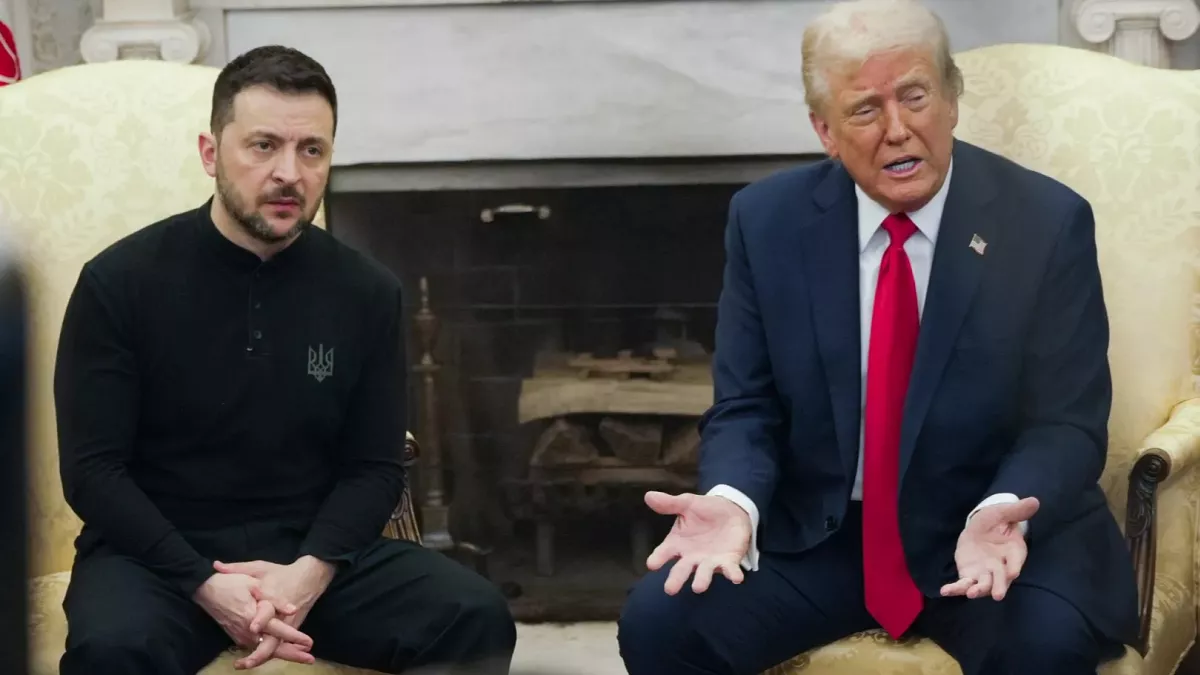
In a powerful demonstration of transatlantic unity, several of Europe’s most influential leaders are set to join Ukrainian President Volodymyr Zelenskyy for a pivotal meeting at the White House with former U.S. President Donald Trump. This unprecedented gathering comes at a crucial juncture as Trump prepares to unveil a controversial peace plan regarding the Russia-Ukraine conflict.
Among the key figures traveling to Washington are British Prime Minister Sir Keir Starmer, French President Emmanuel Macron, German Chancellor Friedrich Merz, Italian Prime Minister Giorgia Meloni, Finnish President Alexander Stubb, and European Commission President Ursula von der Leyen. These leaders will collectively advocate for Ukraine’s sovereignty, territorial integrity, and long-term security as part of their joint mission.
Reports suggest that Donald Trump’s draft proposal includes Ukraine relinquishing parts of the Russian-occupied Donbas region in return for a ceasefire agreement with Moscow. While Trump’s camp argues that such a plan could bring an end to prolonged bloodshed, European leaders and Ukraine have fiercely opposed the idea, stating it undermines international law and sets a dangerous precedent for territorial concessions under military aggression.
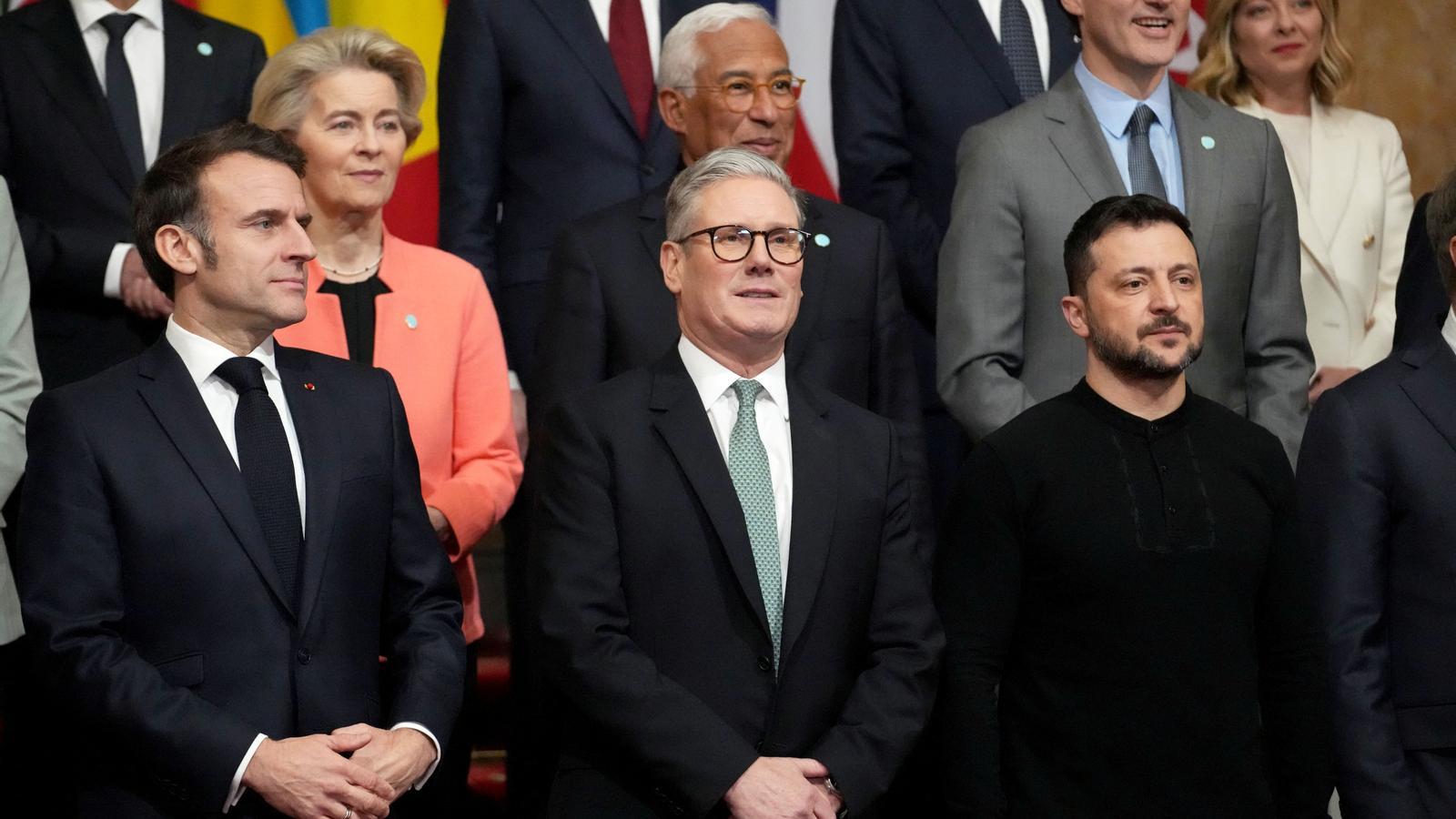
German Chancellor Merz has been especially vocal, emphasizing that any peace settlement must include robust, enforceable security guarantees for Ukraine. He insists that Ukraine’s national borders cannot be redrawn without its full consent and that peace must come with justice, not coercion. Similarly, French President Macron and Prime Minister Starmer are expected to present coordinated diplomatic resistance to any proposals that diminish Ukraine’s autonomy or sacrifice its national interests.
Ahead of the White House summit, European leaders will hold a “Coalition of the Willing” virtual conference. The purpose of this pre-summit coordination is to align their positions and prepare a united front. According to insiders, this coalition will reaffirm Europe’s commitment to Ukraine’s NATO accession pathway and continued financial and military assistance.
European Commission President Ursula von der Leyen underscored that only Ukraine can decide the terms of peace. “No outside power should dictate Ukraine’s future. Peace cannot be achieved by forcing victims to surrender. It must be just, sustainable, and based on international norms,” she stated.
Ukrainian President Zelenskyy has welcomed the support from European allies, noting that their presence in Washington sends a strong message of solidarity and shared values. He is expected to firmly reject any proposal that involves ceding territory, reiterating his longstanding position that lasting peace can only be achieved with the complete withdrawal of Russian forces and the restoration of Ukraine’s 1991 borders.
While the Trump team insists their plan is pragmatic and aimed at ending the conflict, critics argue that legitimizing Russia’s occupation would embolden future acts of aggression, not just in Ukraine but across the globe. The outcome of the White House meeting could shape the next phase of the war—and the broader international order.