
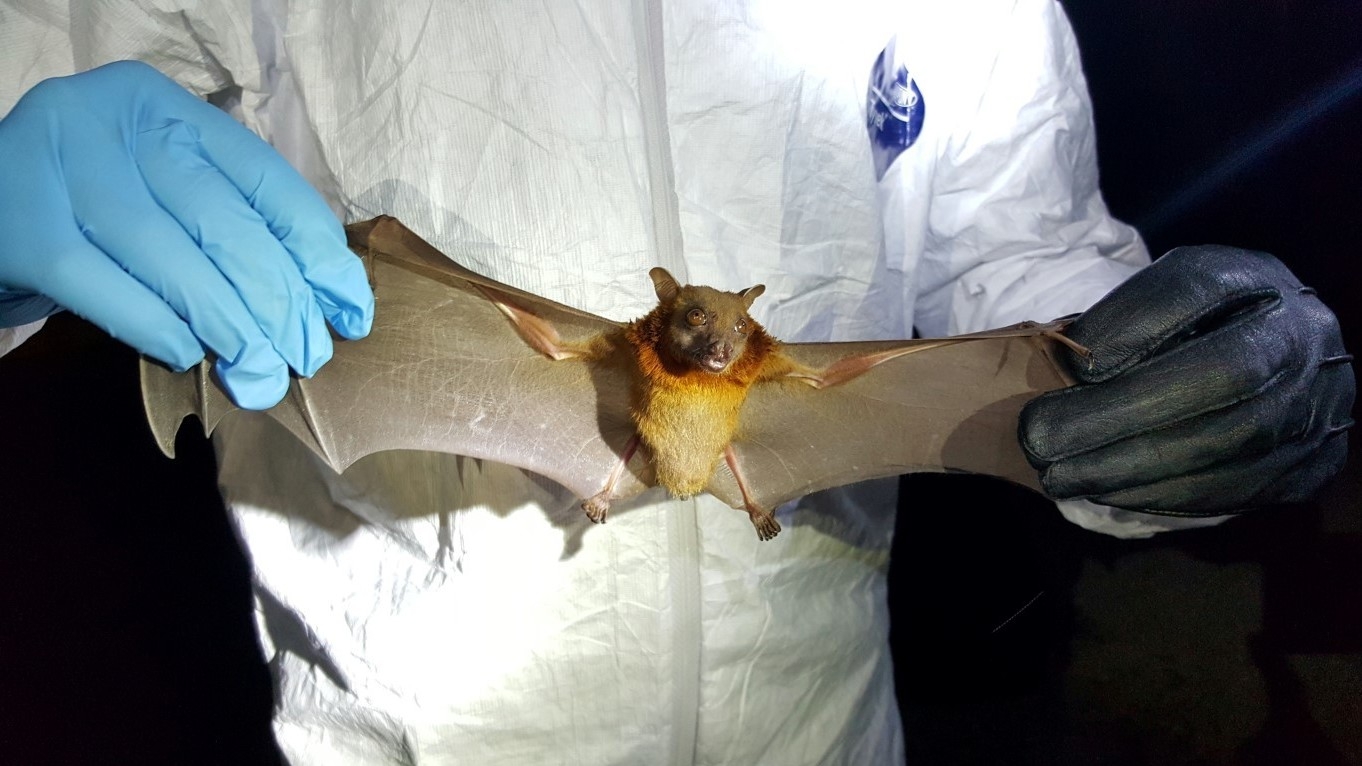
Scientists in China have discovered 20 new viruses in bats, including two that are closely related to the deadly Nipah and Hendra, which are known to cause severe brain inflammation and respiratory illness in humans. The findings, published in the journal PLOS Pathogens on Tuesday, raise concerns about potential spillover to humans and livestock through contamination from bat urine.
What did scientists find in the Yunnan bat study?
Researchers at the Yunnan Institute of Endemic Disease Control and Prevention analysed kidney samples from 142 bats across 10 species collected between 2017 and 2021. The study found 22 viruses—20 of which were previously unknown.
Are these viruses transmissible through bat urine?
Yes, and this is what alarms scientists. The viruses were found in the kidneys—organs responsible for urine production—suggesting that urine may be a possible transmission route. Contaminated fruit or water sources near bat roosting sites could allow the viruses to infect humans or livestock.
Did the study find anything else unusual?
Yes. The scientists also identified a new protozoan parasite (Klossiella yunnanensis) and a previously unknown bacterial species (Flavobacterium yunnanensis) in significant quantities. This points to a more complex infectome in bats than previously assumed and highlights the importance of multi-organ pathogen surveillance.