
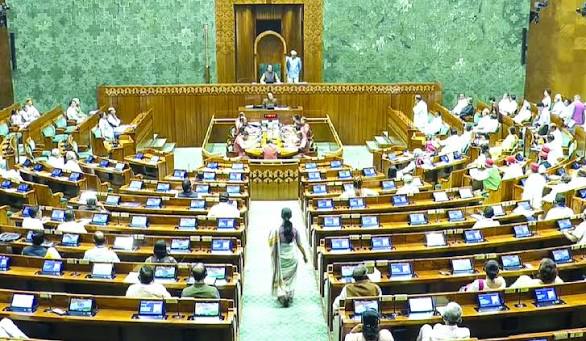
The Union Home Ministry is scheduled to brief a 31-member Joint Parliamentary Committee (JPC) on September 18 on the proposed Foreign Contribution (Regulation) Amendment Bill, 2026. The meeting will mark the beginning of the committee’s detailed examination of the proposed changes to the law governing foreign contributions received by organisations in India.
The JPC is expected to discuss the government’s proposals and seek explanations about the objectives and possible implementation of the amendments. The committee may also discuss the organisations, legal experts, academics and other stakeholders who could be invited to present their views during the subsequent stages of its examination.
The legislation has attracted attention because of proposed changes concerning assets created through foreign contributions. One of the key provisions relates to the powers that could be given to a designated authority to take control of, manage or dispose of assets created from foreign funds in certain circumstances.
JPC begins examination of proposed amendments
The Joint Parliamentary Committee was constituted by Lok Sabha Speaker Om Birla on September 3 to examine the proposed legislation. The committee has 31 members and is chaired by BJP MP Sanjay Jaiswal.
The panel includes representatives from both the ruling alliance and opposition parties. Its composition is intended to allow members from different political groups to examine the proposed amendments and put forward their views during the committee proceedings.
The first meeting is expected to establish the framework for the committee’s examination. Members could raise questions regarding the legal provisions of the bill, its possible impact on organisations receiving foreign contributions and the mechanism proposed for dealing with assets created through such funds.
The committee may subsequently invite representatives of civil society organisations, experts, legal professionals and other stakeholders to provide their views.
Proposed changes to foreign-funded assets
A major issue in the proposed legislation concerns assets created using foreign contributions.
Under the proposed amendments, a designated authority appointed by the central government could receive powers relating to the management and disposal of certain assets created through foreign funds. These powers could become relevant when an organisation’s registration under the Foreign Contribution (Regulation) Act is cancelled, suspended or not renewed.
The proposed framework includes provisions relating to the provisional and permanent vesting of assets. This could allow the authorities to take control of assets in circumstances specified under the amended law.
The proposal has attracted considerable attention because organisations receiving foreign contributions could be affected if their FCRA registration is cancelled or otherwise ceases to remain valid.
The bill also proposes changes to the existing legal framework concerning the management of assets created through foreign contributions.
Concerns raised over the proposed provisions
Several opposition parties and other stakeholders have expressed concerns about the proposed changes, particularly the provisions relating to foreign-funded assets.
Organisations working in charitable, educational, social and other areas that receive overseas contributions have been watching the proposed amendments closely. Concerns have been raised about how the new provisions could operate if an organisation loses its FCRA registration.
Some stakeholders have argued that the proposed powers need careful examination to ensure that organisations and their assets are dealt with according to clear legal procedures.
The concerns are expected to form part of the discussions before the parliamentary committee as it examines the bill.
Government’s position
The government has maintained that changes to the FCRA framework are intended to strengthen regulation, improve transparency and address issues associated with the management of foreign contributions.
The proposed amendments are aimed at updating the legal framework governing organisations that receive funds from abroad. The government is expected to explain the objectives and proposed mechanisms to the JPC during its first meeting.
The committee will have an opportunity to question government officials and seek clarification on how the proposed provisions would function in practical situations.
Bill referred to parliamentary committee
The bill was referred to the Joint Parliamentary Committee after concerns were raised over several of its provisions during the parliamentary process.
Referral to a JPC allows members of Parliament to conduct a more detailed examination of proposed legislation before it proceeds further. The committee can examine the provisions clause by clause, seek information from the government and consult stakeholders.
The process can also provide an opportunity for organisations and experts to submit suggestions regarding the proposed amendments.
What happens next
The September 18 meeting is expected to formally begin the JPC’s examination of the FCRA Amendment Bill.
The Home Ministry’s briefing will provide committee members with an opportunity to understand the government’s reasoning behind the proposed changes. The panel could then decide which experts and organisations should be invited for further consultations.
The committee’s examination will be followed by recommendations on the proposed legislation. Those recommendations will form part of the subsequent parliamentary process.
For organisations dependent on foreign contributions, the committee’s examination will be closely watched, particularly because the proposed provisions could affect the legal status and management of assets created through overseas funding.
The final form of the legislation will depend on the parliamentary process that follows the committee’s examination.