
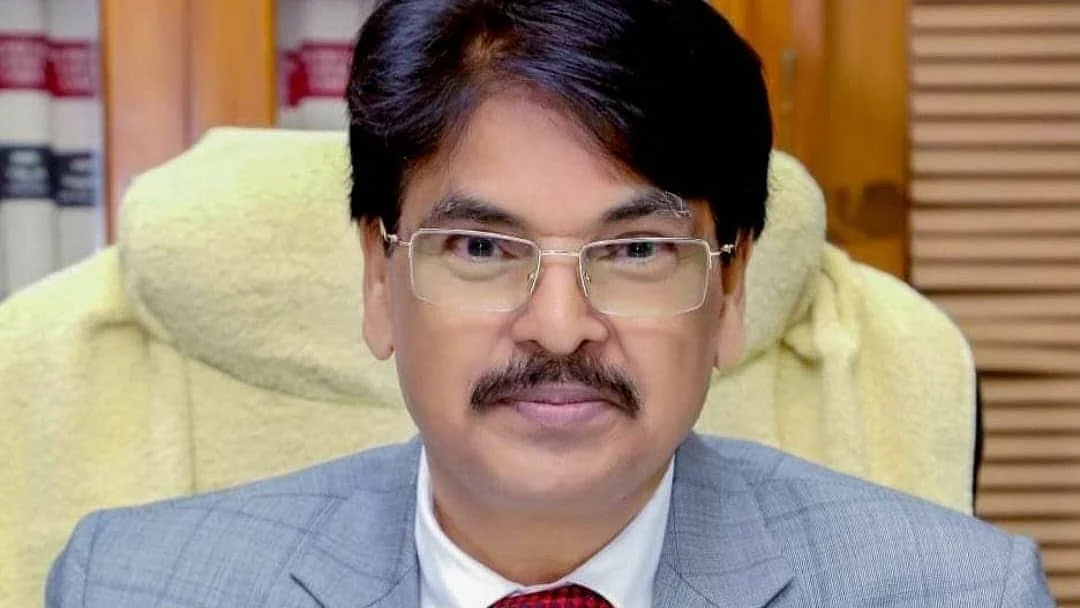
A petition has been filed before the Supreme Court challenging the continued tenure of Manan Kumar Mishra as Chairman of the Bar Council of India (BCI). The plea seeks his removal from the post, fresh elections to the BCI leadership and an independent examination of the council’s financial and administrative affairs.
The petition, filed by Supreme Court advocate Yogamaya MG, questions the legality of Mishra’s continued tenure and challenges a notification issued in April 2025 that extended his term until April 2030. The petitioner has argued that the extension is inconsistent with the tenure provisions contained in the BCI Rules.
The matter comes amid growing scrutiny of the BCI leadership following a recent controversy involving the enrolment of graduating students of the National Academy of Legal Studies and Research (NALSAR) University of Law. The dispute had triggered criticism from sections of the legal fraternity and led to renewed questions about the functioning and accountability of the country’s apex statutory body for the legal profession.
Plea challenges five-year tenure
At the heart of the petition is the claim that the BCI chairman’s tenure is governed by Rule 12(2) of the BCI Rules, which provides for a two-year term for the chairman and vice-chairman, subject to the applicable conditions.
The petitioner has challenged the April 2025 Gazette notification under which Mishra’s tenure was extended from April 17, 2025, to April 16, 2030. The plea argues that an administrative notification cannot override the tenure restrictions contained in the governing rules.
According to the petition, Mishra has held the position of BCI chairman for an extended period, with his latest continuation raising questions about the purpose and effectiveness of the prescribed tenure limits.
The petitioner has therefore asked the Supreme Court to set aside the notification extending his tenure and direct the authorities to initiate a fresh electoral process.
Fresh election and independent supervision sought
The petition seeks an order directing the BCI to conduct fresh elections for its leadership within a specified timeframe. It also asks that the electoral process be conducted under independent supervision to ensure transparency and fairness.
The plea further seeks the removal of Mishra and the BCI vice-chairman if the court concludes that their continuation is contrary to the applicable rules.
As an interim arrangement, the petitioner has proposed the creation of an independent administrative committee to oversee the functioning of the BCI if Mishra is removed before new office-bearers are elected.
The petitioner has also sought reforms to prevent the prolonged occupation of the top leadership positions. These include cumulative limits on the number of terms a person can serve as chairman or vice-chairman, a possible cooling-off period and a rotational system that would provide representatives from different regions with an opportunity to lead the council.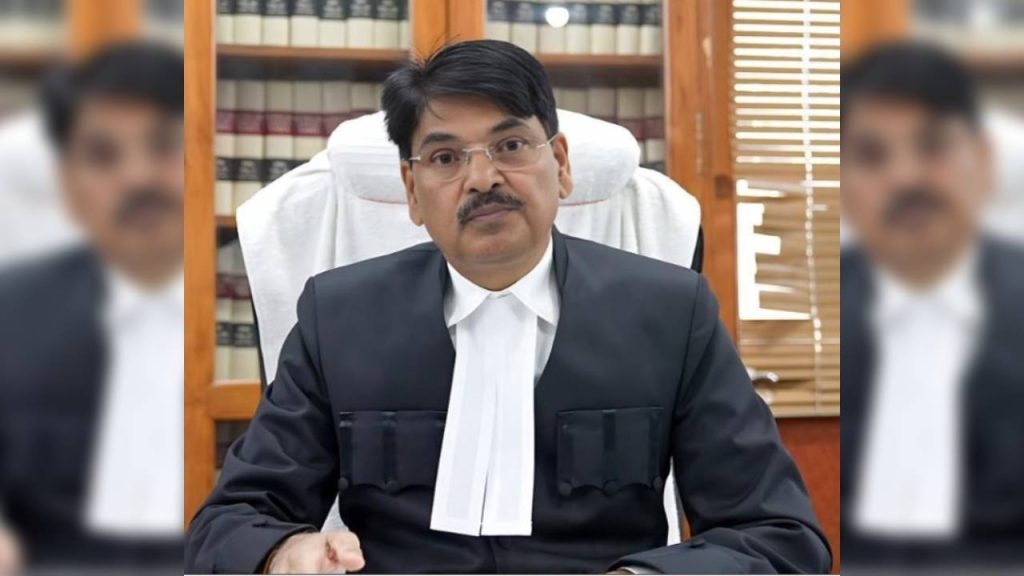
Questions over prolonged leadership
The petition raises broader concerns about the concentration of authority within the BCI. It argues that leadership positions in a statutory regulatory institution should remain subject to clearly defined tenure restrictions and democratic checks.
The petitioner has questioned whether provisions allowing BCI members to continue until their successors are elected can be interpreted as permitting the chairman to remain in office indefinitely.
According to the plea, provisions concerning the continuation of BCI members are intended to prevent an administrative vacuum while elections are completed and should not be used to effectively extend the independent tenure of the chairman beyond the period permitted under the rules.
The petition consequently asks the court to examine the legal basis for Mishra’s continued leadership and determine whether the existing arrangement complies with the governing framework.
Financial affairs of BCI also questioned
The petition goes beyond the question of leadership and seeks an independent investigation into the financial affairs of the BCI and institutions associated with it.
It calls for a committee headed by a former Supreme Court judge or a former Chief Justice of a High Court to examine the council’s financial and administrative functioning. The proposed committee would also include financial and technical experts.
The petitioner has specifically sought scrutiny of the BCI Trust known as PEARL-FIRST, along with the financial management of funds connected with the All India Bar Examination.
The proposed inquiry would examine statutory funds, examination-related receipts, institutional income, expenditure, vendor contracts and related-party transactions.
The plea also seeks examination of the bank accounts through which examination fees are received, the authorities responsible for approving expenditure and the availability of audited financial statements.
PEARL-FIRST Trust under scrutiny
A significant part of the petition concerns the functioning of PEARL-FIRST, a trust associated with the BCI.
The petitioner has raised questions about provisions of the trust deed that allegedly provide permanent positions to certain managing trustees, irrespective of whether they continue to be members of the BCI.
The plea argues that such arrangements require closer examination from the perspective of institutional accountability and democratic oversight.
An independent committee has therefore been proposed to examine the trust’s structure, functioning, finances and relationship with the BCI and other associated institutions.
The petitioner has also sought access to relevant financial and administrative records to determine whether the arrangements comply with applicable legal and regulatory requirements.
IIULER appointments and administration questioned
The petition also raises concerns regarding the functioning of the India International University of Legal Education and Research (IIULER) in Goa, which is associated with the BCI.
The petitioner has sought scrutiny of appointments and administrative decisions involving IIULER, the trust and other related institutions.
The records sought reportedly include recruitment advertisements, applications, selection committee proceedings, assessment documents, appointment orders, service records, declarations concerning relationships and financial approvals.
The petitioner has called for an independent assessment of these matters rather than treating the allegations as established facts.
NALSAR controversy adds to pressure
The Supreme Court plea comes against the backdrop of the recent controversy involving NALSAR University of Law students.
The dispute began after the BCI took a decision affecting the enrolment of the university’s graduating batch following a controversy surrounding students’ reported objections to the participation of Chief Justice of India Surya Kant at their convocation.
The decision attracted strong criticism from sections of the legal community. The BCI subsequently withdrew the directive, while the controversy continued to generate debate about the council’s authority and the manner in which disciplinary or regulatory decisions are taken.
The episode also resulted in criticism of Mishra’s handling of the matter. He later apologised to the students, stating that the controversy was not a matter of personal ego.
The developments have intensified calls from sections of the legal fraternity for greater accountability within the BCI and have added to the scrutiny surrounding Mishra’s leadership.
Political neutrality raised in petition
The plea has also raised questions concerning the perceived institutional neutrality of the BCI.
It refers to Mishra’s political role as a Rajya Sabha member and argues that his simultaneous association with political office and leadership of the statutory regulator for advocates could raise questions about public perception of the council’s independence.
The petitioner does not contend that political affiliation automatically disqualifies an individual from holding the BCI post. Instead, the plea asks the court to consider whether the combination of political responsibilities and leadership of the legal profession’s regulatory body creates concerns regarding institutional neutrality.
The petition also refers to public statements attributed to the BCI leadership on political and public issues and questions whether such communications were properly authorised by the council’s General Council and fell within its statutory responsibilities.
Demand for stronger safeguards
Beyond seeking Mishra’s removal, the petition proposes structural reforms for the BCI leadership system.
The petitioner has called for clearly defined cumulative term limits and a rotation mechanism to ensure that the chairmanship does not remain concentrated with one individual for an extended period.
The plea also seeks safeguards against bypassing term limits through temporary, acting, ad hoc or interim appointments.
Such reforms, according to the petition, would strengthen democratic representation and improve public confidence in the functioning of the BCI.
What happens next
The Supreme Court’s consideration of the petition could determine whether the legal challenge to Mishra’s tenure and the April 2025 notification has sufficient grounds for judicial intervention.
The allegations and concerns raised by the petitioner remain subject to judicial scrutiny and should not be treated as established findings against the BCI or its office-bearers.
The case nevertheless places renewed focus on the governance of the Bar Council of India, its leadership structure, financial transparency and the regulatory powers exercised by the organisation.
If the court decides to examine the matter in detail, the proceedings could have wider implications for the tenure of BCI office-bearers, the conduct of its elections and the mechanisms used to ensure accountability within India’s statutory legal regulator.