
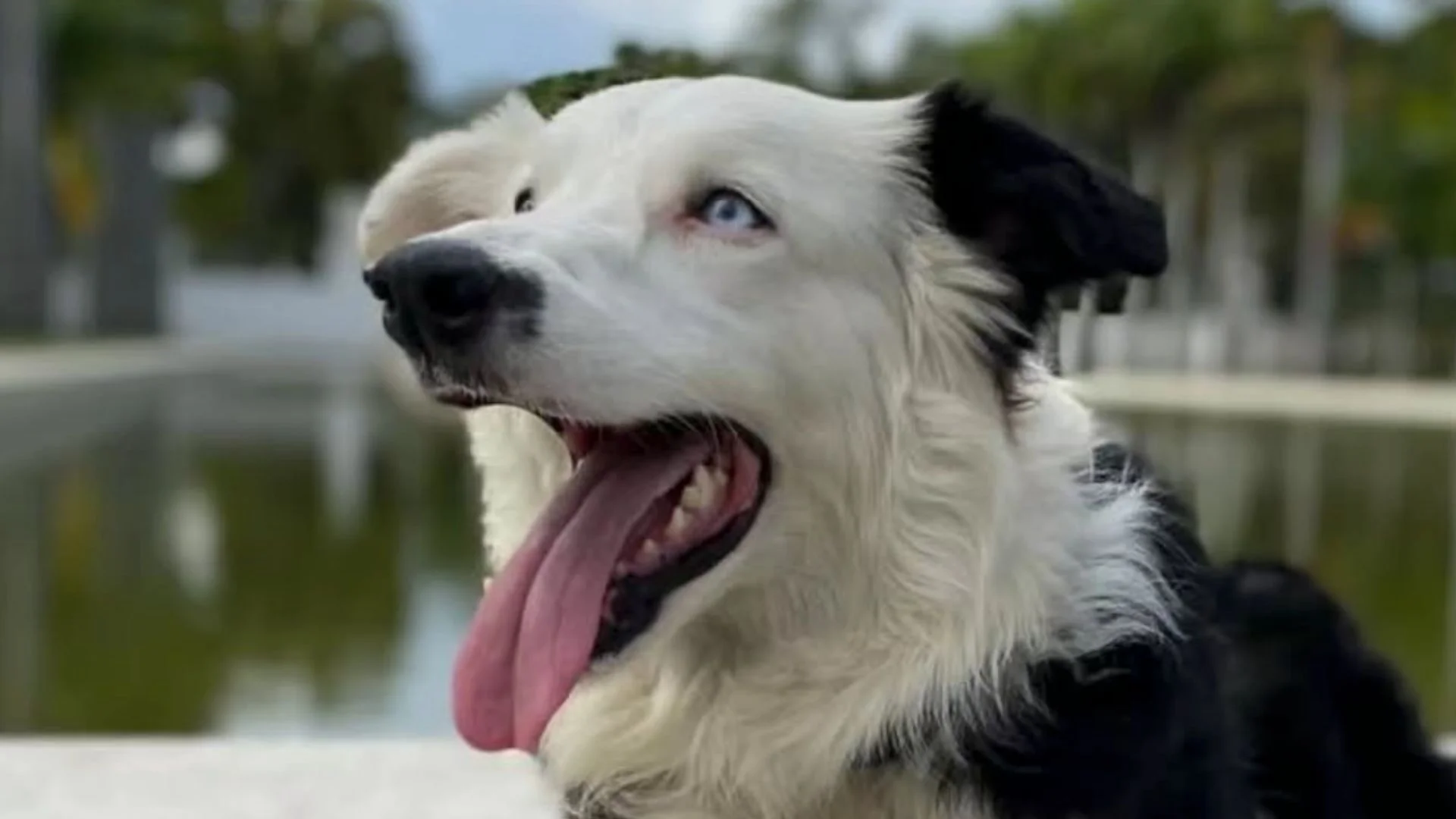
A specially trained rescue dog named Tsunami has become a symbol of courage and hope after helping emergency responders save 13 people trapped beneath collapsed buildings following a series of powerful earthquakes in Venezuela. The canine’s remarkable efforts during the rescue operations have drawn widespread admiration, highlighting the vital role that search-and-rescue dogs play in disaster management.
As rescue teams raced against time to locate survivors buried under debris, Tsunami worked tirelessly alongside emergency personnel, using its highly developed sense of smell to detect signs of human life beneath the rubble. The dog’s successful identification of multiple survivors significantly strengthened rescue efforts during one of the country’s most challenging emergency situations.
Earthquake Leaves Widespread Destruction
The earthquakes caused extensive damage across several affected regions, reducing residential buildings, commercial structures, and public infrastructure to piles of debris. The powerful tremors forced thousands of residents to evacuate their homes while emergency services launched large-scale rescue and relief operations.
In the immediate aftermath of the disaster, search teams faced extremely difficult conditions. Collapsed buildings, unstable structures, blocked roads, and continuous aftershocks complicated rescue missions, making every hour critical for finding survivors.
Authorities mobilized firefighters, police personnel, medical teams, military units, and specially trained canine squads to search damaged structures for people who might still be alive.
Tsunami’s Exceptional Rescue Mission
Among the rescue teams, Tsunami quickly emerged as one of the most valuable assets. Equipped with specialized disaster-response training, the dog carefully searched through collapsed buildings and alerted handlers whenever it detected signs of human presence beneath the rubble.
Thanks to Tsunami’s accurate detection abilities, rescue workers were able to locate and safely extract 13 survivors who otherwise may have remained undiscovered under the debris.
Emergency responders praised the dog’s discipline, intelligence, and unwavering focus throughout the operation. Working in dangerous conditions filled with dust, unstable concrete, and confined spaces, Tsunami continued assisting search teams for extended periods despite the physical challenges. 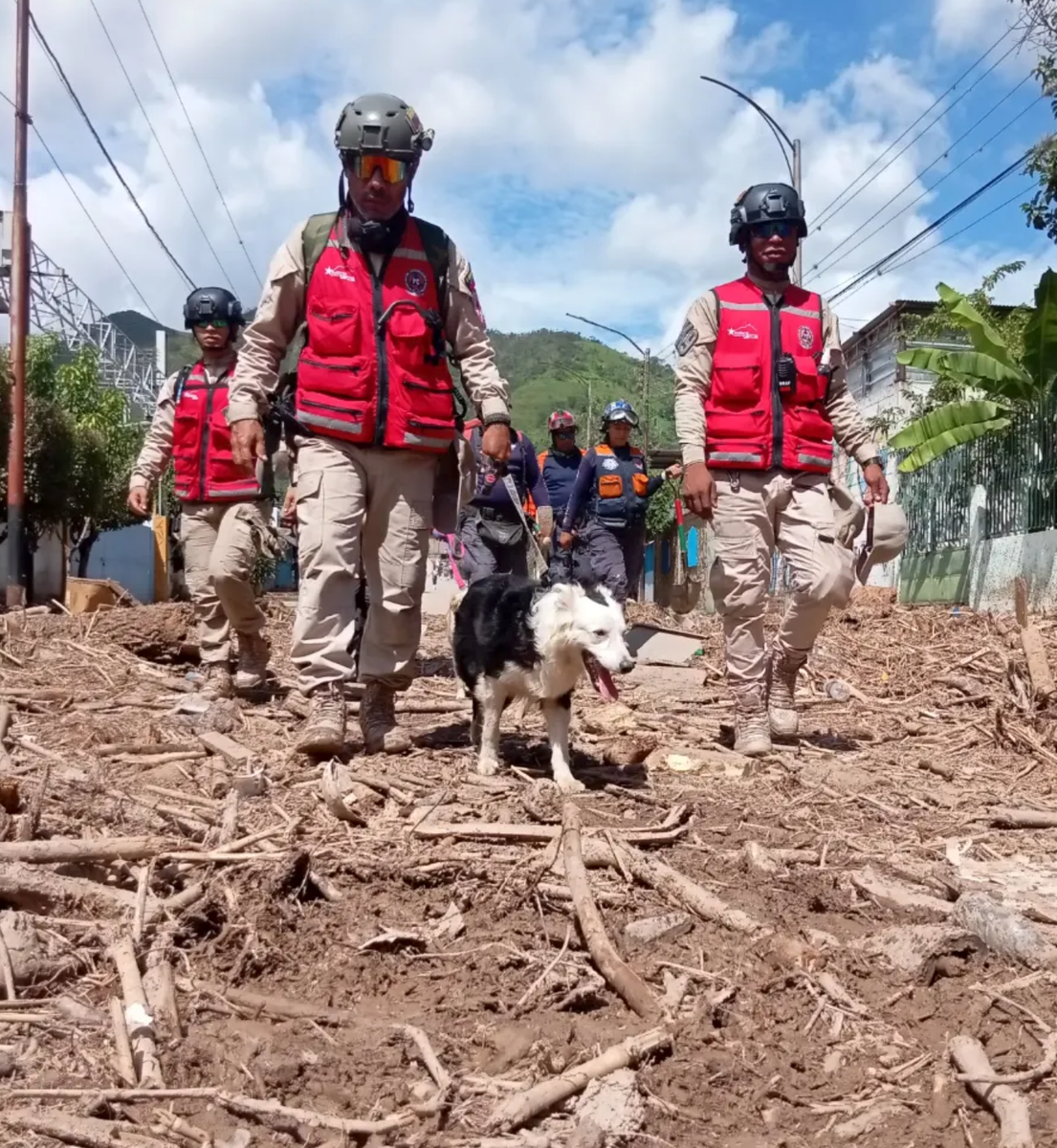
Search-and-Rescue Dogs: Unsung Heroes of Disaster Response
Experts say trained rescue dogs remain among the most effective tools during earthquake response operations. Their extraordinary sense of smell allows them to detect human scent even when victims are buried beneath layers of concrete, metal, and debris.
Unlike machines that may struggle in confined or unstable environments, rescue dogs can quickly navigate hazardous areas, enabling emergency teams to identify priority locations for excavation. Their speed and precision often prove crucial during the first 72 hours after a major earthquake, when the chances of finding survivors are highest.
The successful deployment of Tsunami once again demonstrates the importance of investing in canine search-and-rescue units as part of national disaster preparedness strategies.
Public Applauds Canine Hero
As news of Tsunami’s achievements spread, people across Venezuela and around the world praised the rescue dog for its extraordinary contribution. Social media users described the canine as a true hero, with many expressing gratitude toward the handlers, veterinarians, trainers, and emergency personnel who work alongside rescue dogs during natural disasters.
Animal welfare advocates also highlighted the dedication and rigorous training required to prepare rescue dogs for life-saving missions. These specially trained animals undergo months or even years of preparation before participating in disaster response operations.
Hope Amid Tragedy
While the earthquakes caused significant destruction and hardship, stories like Tsunami’s have offered hope to affected communities. Each successful rescue serves as a reminder that coordinated emergency response efforts, combined with highly trained rescue animals, can make the difference between life and death.
Authorities continue to assess the full extent of the damage while relief operations remain underway. Rescue teams are also providing medical assistance, temporary shelter, food supplies, and essential support to families affected by the disaster.
Tsunami’s remarkable achievement stands as a powerful example of bravery, teamwork, and dedication during one of Venezuela’s most difficult moments. The rescue dog’s life-saving efforts have not only reunited families but have also reinforced the invaluable role that trained canine units play in emergency response operations worldwide.