
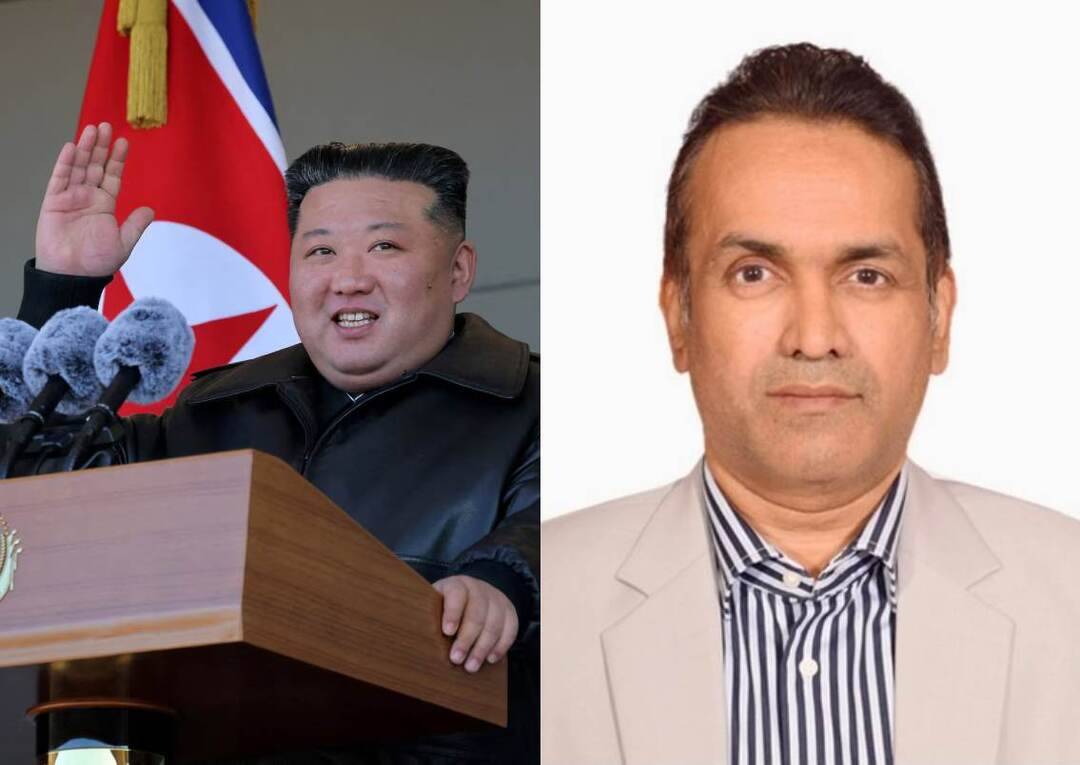
India has appointed senior Indian Foreign Service (IFS) officer Sanjeev Jain as its next Ambassador to the Democratic People’s Republic of Korea (North Korea), marking an important development in New Delhi’s diplomatic engagement with Pyongyang. The appointment reflects India’s continued commitment to maintaining official diplomatic relations with the East Asian nation despite complex regional and global geopolitical dynamics.
The Ministry of External Affairs (MEA) announced that Sanjeev Jain, a 2005-batch Indian Foreign Service officer, has been selected to head India’s diplomatic mission in North Korea. He is expected to assume his responsibilities in Pyongyang shortly.
Experienced Diplomat Takes Charge
Sanjeev Jain brings significant diplomatic experience to the assignment, having served in various important positions during his career in the Indian Foreign Service. His appointment comes at a time when diplomatic engagement in the Korean Peninsula remains strategically significant due to evolving security, political, and economic developments in the region.
As India’s new envoy, Jain will be responsible for representing Indian interests, strengthening bilateral communication, and managing diplomatic interactions between New Delhi and Pyongyang. His responsibilities will also include overseeing consular matters, facilitating official exchanges, and monitoring developments that could influence India’s foreign policy in East Asia.
India’s Diplomatic Presence in North Korea
India and North Korea have maintained diplomatic relations for decades, although bilateral engagement has remained relatively limited. India has traditionally supported dialogue, peace, and stability on the Korean Peninsula while complying with international obligations concerning sanctions and regional security.
The Indian Embassy in Pyongyang has played an important role in maintaining official communication channels, promoting humanitarian cooperation where applicable, and safeguarding India’s diplomatic interests. Diplomatic representation has occasionally faced operational challenges, particularly during the COVID-19 pandemic, when several foreign missions in North Korea temporarily reduced or suspended their activities due to strict border restrictions imposed by Pyongyang.
With the gradual restoration of diplomatic operations in North Korea following the easing of pandemic-related restrictions, India’s decision to appoint a new ambassador underscores its intention to maintain an active diplomatic presence in the country. 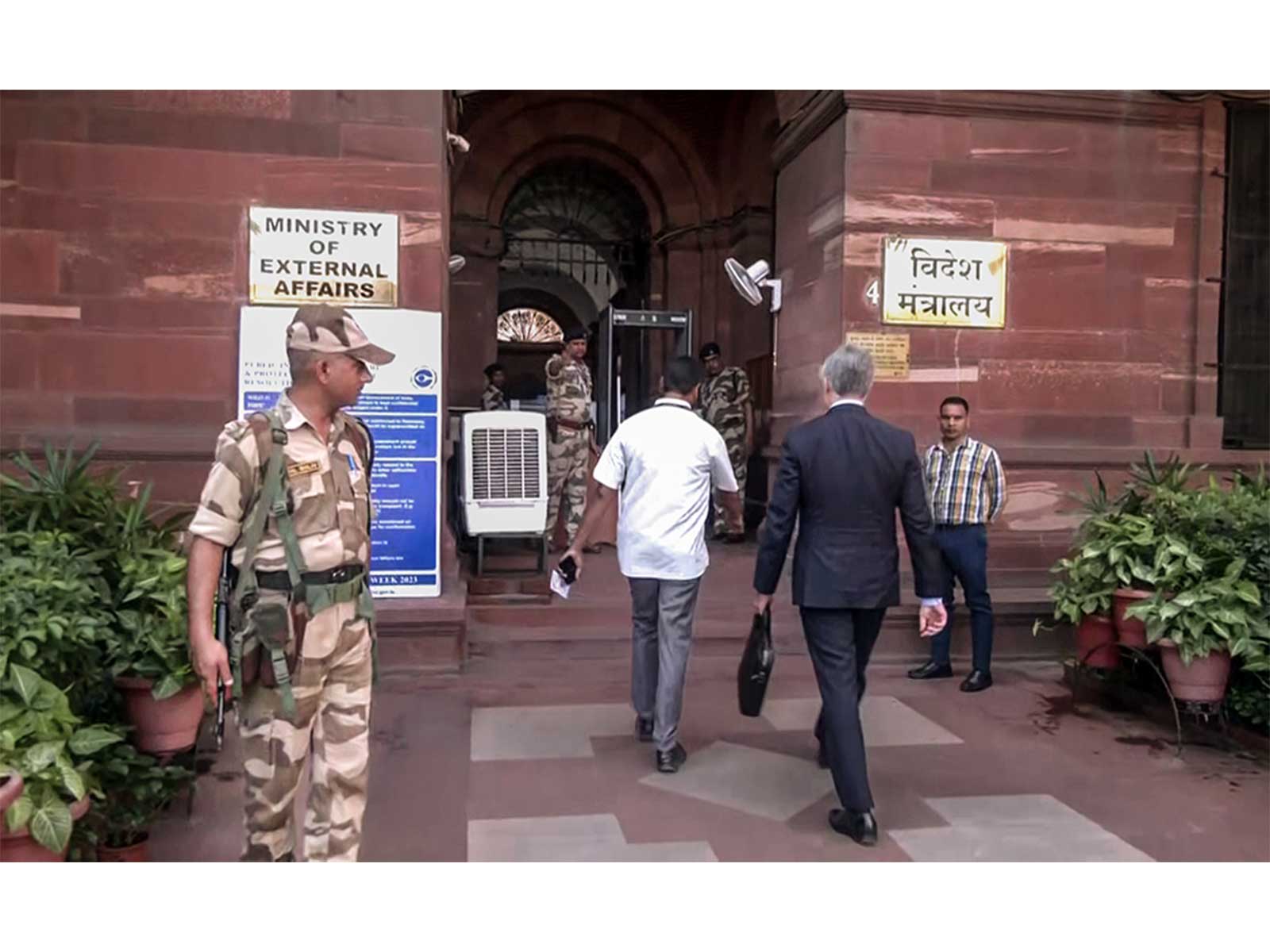
Strategic Importance of the Appointment
The appointment assumes significance amid changing geopolitical developments across East Asia. The Korean Peninsula continues to remain one of the world’s most closely watched strategic regions due to security concerns, nuclear negotiations, and shifting regional alliances.
While India’s direct engagement with North Korea remains limited, maintaining diplomatic representation enables New Delhi to stay informed about developments in the region and contribute to broader diplomatic efforts supporting peace and stability.
The presence of an ambassador also ensures uninterrupted communication between the two governments and provides a formal channel for addressing bilateral issues whenever necessary.
India’s Balanced Foreign Policy
India has consistently pursued a balanced approach toward the Korean Peninsula. It maintains strong strategic and economic relations with South Korea while simultaneously preserving diplomatic ties with North Korea. New Delhi has repeatedly emphasized the importance of peaceful dialogue, denuclearisation, and adherence to international norms in addressing regional security challenges.
By appointing an experienced career diplomat to Pyongyang, India reinforces its commitment to sustained diplomatic engagement while continuing to align its foreign policy with international responsibilities and regional stability.
Looking Ahead
As Sanjeev Jain prepares to assume office in Pyongyang, his appointment is expected to contribute to the continuity of India’s diplomatic engagement with North Korea. Although bilateral interactions remain modest, maintaining an active diplomatic mission allows India to protect its strategic interests, strengthen communication, and remain engaged in developments affecting the Korean Peninsula.
The appointment also reflects New Delhi’s broader foreign policy objective of maintaining diplomatic outreach across strategically important regions while promoting stability, dialogue, and constructive international engagement.