
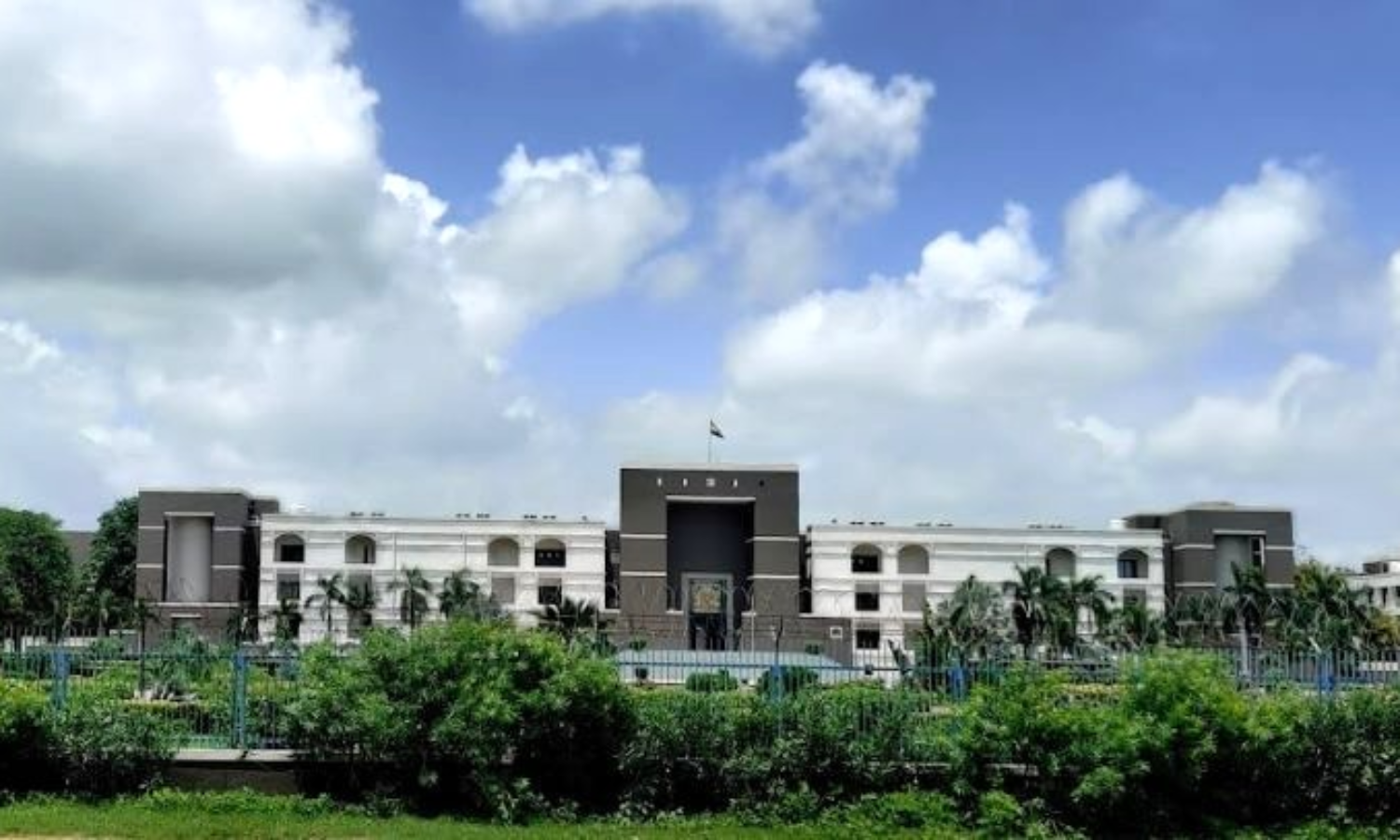
The Gujarat High Court is scheduled to pronounce its much-awaited judgment in the 2008 Ahmedabad serial blasts case on Tuesday, bringing one of India’s longest-running and most significant terrorism-related legal proceedings closer to its conclusion. The verdict is expected to mark a major milestone in a case that has remained at the center of India’s anti-terror investigations for nearly 18 years.
The judgment concerns appeals filed against the convictions and sentences awarded in connection with the coordinated bomb blasts that devastated Ahmedabad on July 26, 2008. The attacks claimed 56 lives and left more than 200 people injured, making them one of the deadliest terror strikes in Gujarat’s history.
One of India’s Most Devastating Terror Attacks
On the evening of July 26, 2008, Ahmedabad witnessed a series of 21 coordinated explosions across 20 different locations within approximately 70 minutes. The bombs targeted crowded public places, including hospitals, markets, buses, and busy commercial areas, creating panic across the city.
The explosions caused widespread destruction, resulting in the deaths of 56 people while more than 200 others suffered injuries of varying severity. Emergency services, police personnel, and medical teams rushed to the affected sites as hospitals struggled to treat the large number of victims.
The coordinated nature of the attacks raised serious national security concerns and prompted one of the country’s largest anti-terror investigations.
Lengthy Investigation and Trial
Following the blasts, multiple investigating agencies launched an extensive probe that led to the arrest of several accused allegedly linked to banned extremist organisations. Investigators gathered forensic evidence, witness testimonies, digital records, call data, and other materials during the prolonged investigation.
The trial involved thousands of documents, numerous witnesses, and years of courtroom proceedings before the special court delivered its judgment. The complexity of the investigation and the large number of accused made it one of the biggest terrorism trials conducted in India. 
Earlier Special Court Verdict
In February 2022, a special court delivered its verdict after years of trial, convicting 49 accused in connection with the serial blasts.
Among those convicted, 38 were awarded the death penalty, while 11 received life imprisonment. The judgment attracted nationwide attention as it marked one of the largest instances in which capital punishment was awarded to such a significant number of convicts in a single criminal case.
Following the sentencing, several convicts challenged the trial court’s decision before the Gujarat High Court, seeking relief against their convictions and sentences.
High Court to Decide Appeals
The Gujarat High Court has been hearing the appeals against the special court’s judgment and is now set to pronounce its decision.
The verdict is expected to address multiple appeals relating to convictions, acquittals, and the quantum of punishment. Given the scale of the case and the seriousness of the offences, the judgment is likely to have significant legal implications.
The court is scheduled to deliver the verdict at 11 a.m., and security arrangements have been strengthened around the court premises in anticipation of the decision.
Terror Group Claimed Responsibility
Investigators stated during the course of the investigation that the Pakistan-based terrorist outfit Harkat-ul-Jihad-al-Islami (HuJI) had claimed responsibility for the coordinated bomb attacks. The case also involved allegations regarding the role of members associated with extremist networks in planning and executing the explosions.
The investigation formed part of India’s broader efforts to dismantle organised terror modules operating across multiple states.
Verdict Holds National Importance
The High Court’s decision is expected to be closely watched by victims’ families, legal experts, investigating agencies, and security officials. For many of the families affected by the attacks, the verdict represents another significant chapter in their long pursuit of justice.
Beyond its immediate legal impact, the judgment is also expected to influence future terrorism-related prosecutions by reinforcing judicial scrutiny of evidence, investigative procedures, and sentencing in complex terror cases.
As the Gujarat High Court prepares to pronounce its verdict, nearly two decades after Ahmedabad was shaken by coordinated bomb blasts, the decision is anticipated to become one of the most consequential judicial rulings in a major terrorism case in recent Indian legal history.