
The Madhya Pradesh government has officially reconstituted the State Waqf Board, introducing a significantly revamped governing body that includes Hindu members alongside Muslim representatives. The move marks an important administrative restructuring aimed at strengthening governance, improving transparency, and ensuring broader institutional oversight in the management of Waqf properties across the state.
The newly formed board has been constituted in accordance with the provisions of the Waqf Act and includes members from diverse professional and public backgrounds. Officials have stated that the inclusion of non-Muslim members is legally permissible under existing provisions and is intended to enhance administrative efficiency while promoting accountability in the functioning of the board.
The decision has generated considerable political and public discussion, with supporters describing it as a reform-oriented measure designed to improve governance, while critics have questioned the rationale behind appointing non-Muslim members to a body primarily responsible for administering Islamic charitable endowments.
Government Announces New Board Composition
According to the official notification, the reconstituted Madhya Pradesh Waqf Board consists of representatives drawn from different sectors, including elected representatives, legal experts, scholars, and individuals with administrative experience. The government has also included Hindu members in the board, a development that has become the focal point of political and social debate.
State authorities have maintained that the appointments comply with the legal framework governing Waqf Boards and are intended to strengthen institutional functioning rather than alter the religious character of Waqf properties.
Officials further emphasized that the board’s primary responsibility remains the protection, administration, and development of Waqf assets, ensuring that these properties are managed efficiently and in accordance with the law.
Role and Importance of the Waqf Board
Waqf Boards play a crucial role in managing properties donated for religious, educational, and charitable purposes within the Muslim community. These assets typically include mosques, graveyards, educational institutions, community centres, agricultural land, and commercial properties dedicated as charitable endowments.
The board is responsible for safeguarding these assets from encroachment, maintaining accurate property records, overseeing financial management, ensuring legal compliance, and facilitating the use of Waqf income for public welfare initiatives.
Given the large number of Waqf properties spread across Madhya Pradesh, effective governance of these assets has remained a significant administrative priority. 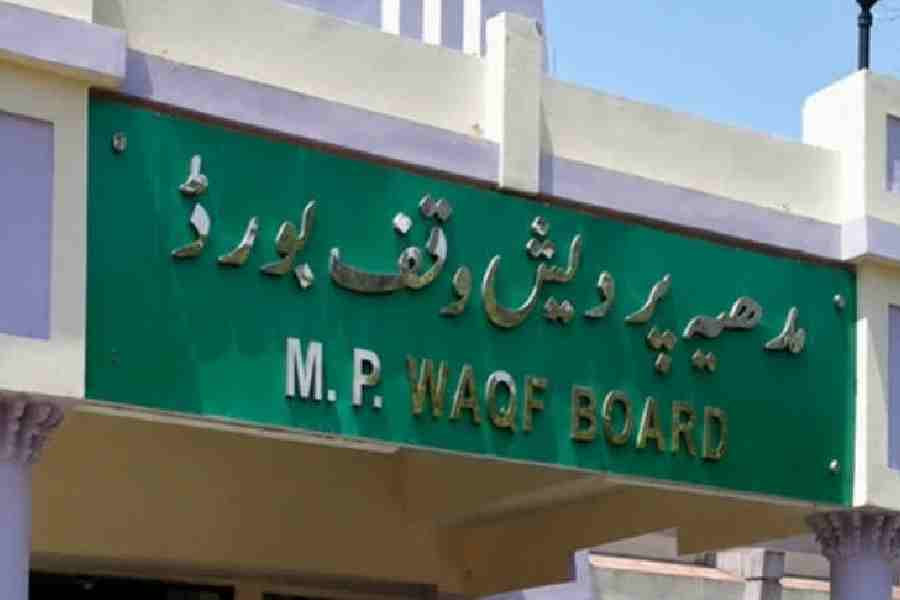
Legal Basis for the Appointments
Government officials have pointed out that the Waqf Act permits the inclusion of individuals from various backgrounds in State Waqf Boards under specified categories. They argued that the appointments have been made strictly within the legal framework prescribed by the legislation.
Authorities stressed that the objective is to improve institutional transparency, strengthen financial oversight, and ensure better management practices without affecting the religious nature or intended charitable purpose of Waqf institutions.
The administration has also reiterated its commitment to safeguarding all legally protected religious and charitable properties under its jurisdiction.
Political Reactions Emerge
The restructuring has sparked differing political responses.
Supporters of the government’s decision have described the reconstituted board as a step toward improving accountability and modernizing the administration of Waqf properties. They argue that professional expertise and broader representation can contribute to better governance and help address longstanding concerns regarding property management and financial transparency.
Opposition leaders and several community representatives, however, have expressed reservations regarding the inclusion of Hindu members. Critics contend that Waqf institutions primarily deal with Islamic religious and charitable affairs and therefore should continue to be managed predominantly by members of the Muslim community.
Some organizations have sought greater clarity regarding the specific responsibilities assigned to newly appointed members and the government’s broader objectives behind the restructuring.
Administrative Reforms and Transparency
The state government has presented the reconstitution as part of wider efforts to improve public institutions through enhanced governance mechanisms. Officials believe that introducing members with varied professional expertise could strengthen decision-making processes, improve record management, expedite legal proceedings involving disputed properties, and increase administrative efficiency.
Authorities have also indicated that improving transparency in property administration remains one of the government’s key priorities, particularly in relation to protecting Waqf assets from encroachments and unauthorized transactions.
Wider Context
The management of Waqf properties has increasingly become a subject of national discussion amid ongoing debates over reforms, governance standards, and transparency within Waqf institutions. Several states have initiated administrative reviews or introduced measures aimed at improving property management and ensuring greater accountability.
The reconstitution of the Madhya Pradesh Waqf Board adds another dimension to these broader conversations, particularly because of the inclusion of Hindu members in the governing body. While the government maintains that the appointments are fully consistent with existing legal provisions, the decision is expected to remain under public and political scrutiny in the coming months.
The newly constituted board is now expected to begin its administrative responsibilities, focusing on the protection, management, and development of Waqf properties while implementing policies intended to strengthen institutional governance across the state.